Thought Police: The Architects of a Dystopian Nightmare in George Orwell's 1984
=============================================================================
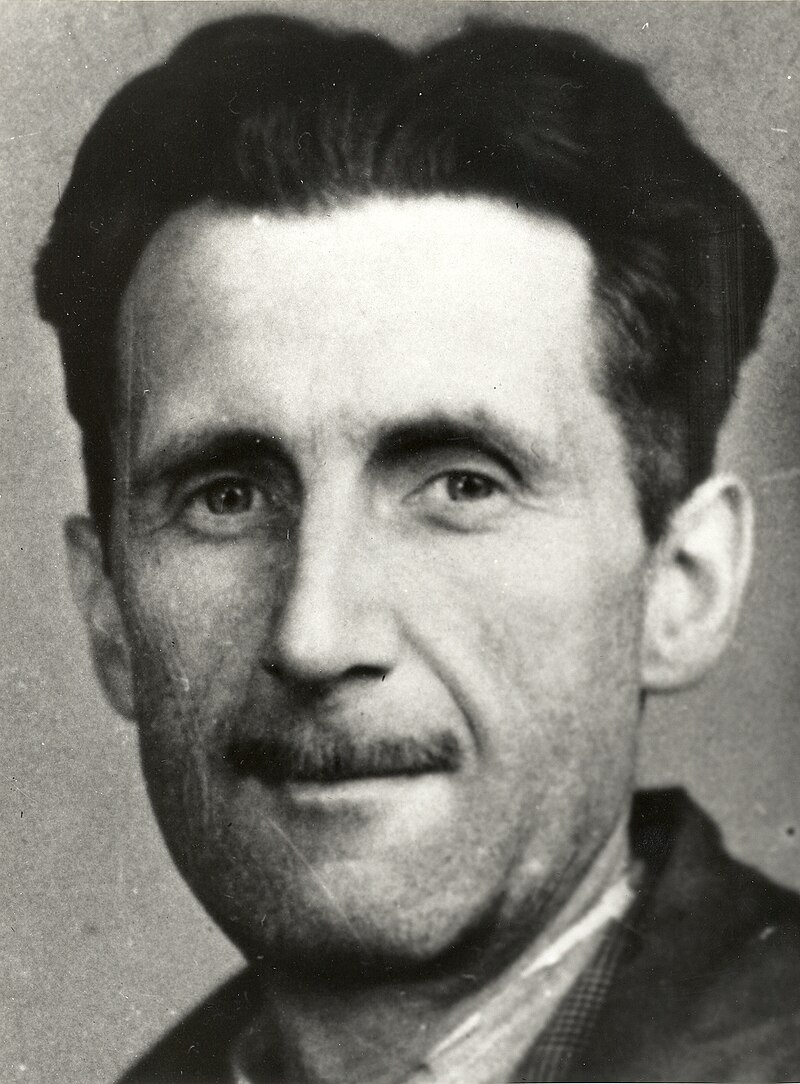
*George Orwell*
In George Orwell's dystopian masterpiece, 1984, the Thought Police represent the ultimate embodiment of a totalitarian regime's stranglehold on its citizenry. The Thought Police are an elite, omnipresent, and omniscient security force tasked with identifying, monitoring, and ultimately extinguishing any semblance of independent thought or dissent against the ruling party. The concept of the Thought Police is a powerful and chilling exploration of the dangers of unchecked power, mass surveillance, and the manipulation of language, history, and reality. In this analysis, we will delve into the core concepts, implications, and applications of the Thought Police, and examine their relevance in today's society.
Core Concepts and Relevance
---------------------------
At its core, the Thought Police represent the ultimate manifestation of a surveillance state, in which the government wields absolute control over its citizens' thoughts, emotions, and actions. The Thought Police's mission is to ensure that every individual's thoughts are in lockstep with the ruling party's ideology, and any deviation from this orthodoxy is ruthlessly crushed.
The Thought Police's existence and function are predicated on the belief that independent thought and dissent are existential threats to the ruling party's power and legitimacy. Consequently, the Thought Police are granted sweeping powers to monitor, interrogate, and punish citizens suspected of thoughtcrime, a term used to describe the act of holding unacceptable thoughts or beliefs.

*Surveillance Cameras*
The Thought Police's relevance in today's society cannot be overstated. With the advent of mass surveillance technologies, the rapid proliferation of data mining, and the increasing sophistication of artificial intelligence, the dystopian vision of the Thought Police is no longer the stuff of science fiction. Governments and corporations around the world are amassing vast troves of personal data, raising concerns about privacy, civil liberties, and the potential for mass manipulation and control.
Examples and Applications
------------------------
### 1. Mass Surveillance and the Chilling Effect
One of the most tangible examples of the Thought Police's influence in today's society is the chilling effect that mass surveillance can have on free expression and dissent. In Orwell's 1984, the mere possibility of being watched or overheard by the Thought Police is enough to instill fear and self-censorship in the minds of the citizenry.

*Edward Snowden*
This phenomenon is not merely theoretical. In the aftermath of the Edward Snowden revelations, numerous studies have documented the chilling effect of mass surveillance on free expression, political engagement, and trust in institutions. For instance, a 2015 Pew Research Center survey found that 37% of Americans have altered their online behavior in response to surveillance programs, while 25% have avoided certain topics in online conversations.
### 2. The Manipulation of Language and Reality

*Newspeak Concept*
Another key aspect of the Thought Police's function is their role in controlling and manipulating language and reality. In 1984, the Thought Police are instrumental in the implementation and enforcement of Newspeak, a language designed to limit the range of thought and expression, and make subversive thoughts impossible.
This manipulation of language and reality is also evident in today's society, where the proliferation of "fake news," propaganda, and information warfare has become a significant concern. The weaponization of information and the erosion of trust in institutions have far-reaching implications for democracy, accountability, and the very fabric of society.
Key Insights and Further Exploration
------------------------------------
The Thought Police serve as a powerful reminder of the dangers of unchecked power, mass surveillance, and the manipulation of language and reality. By examining the core concepts and implications of the Thought Police, we can draw several key insights:
1. **The chilling effect of mass surveillance on free expression and dissent:** Mass surveillance can have a profound impact on individual behavior, leading to self-censorship and the suppression of dissenting voices.
2. **The manipulation of language and reality as a tool for control:** The manipulation of language and reality is a potent means of shaping public opinion, controlling the narrative, and suppressing dissent.
3. **The importance of safeguarding privacy, civil liberties, and trust in institutions:** The potential for mass manipulation and control necessitates robust safeguards for privacy, civil liberties, and the integrity of institutions.
To further explore the topic of the Thought Police and its relevance in today's society, consider the following avenues for further exploration:
1. Examine the role of technology in shaping surveillance capabilities and the potential for mass manipulation.
2. Investigate the impact of mass surveillance on marginalized communities and the disproportionate consequences of surveillance on these groups.
3. Analyze the role of social media and information platforms in shaping public opinion and the potential for information warfare.
4. Explore the ethical implications of mass surveillance and the balance between security and civil liberties.
5. Investigate the potential for countermeasures and resistance against mass surveillance and the manipulation of language and reality.
By delving into these topics, we can deepen our understanding of the Thought Police's relevance in today's society and develop a more nuanced appreciation for the challenges and opportunities that lie ahead.
Last updated: 2024-03-19
Related Books
Related Knowledges