## Introduction: Understanding Telescreens in 1984

*A representation of the telescreen in George Orwell's 1984.*
In George Orwell's dystopian novel, 1984, the telescreen is a pervasive and powerful surveillance technology that enables the ruling party, the Party, to exert control over the citizens of Airstrip One (formerly known as Great Britain). The telescreen, a combination of a television and a two-way microphone, serves as a means of communication, propaganda, and surveillance. It is an essential tool for the Party's manipulation and oppression of society, and its presence looms large over the lives of the novel's protagonists, Winston Smith and Julia.
The concept of the telescreen is particularly relevant in today's digital age, where technology has become increasingly integrated into our daily lives. As we delve into the workings and implications of the telescreen, we will explore its core concepts, relevance, and applications in our modern world.
## Core Concepts and Relevance
At its core, the telescreen represents the manipulation and invasion of privacy on a massive scale. By combining communication, propaganda, and surveillance capabilities, the Party can control the narrative and eliminate dissenting voices. This omnipresent technology fosters a climate of fear and conformity, as citizens are constantly aware that they may be watched and judged.
The relevance of the telescreen in today's society is striking. With the advent of social media, smartphones, and other digital technologies, we have willingly invited surveillance into our lives. While these tools offer numerous benefits, they also raise concerns about privacy, data security, and the potential for manipulation. As we continue to grapple with these issues, the telescreen serves as a cautionary tale of the potential dangers of unchecked technological advancement.
## Practical Implications: Examples and Applications

*Social media platforms as modern telescreens.*
### 1. Social Media and the Curated Self
In 1984, the Party uses the telescreen to shape the perceptions and beliefs of its citizens. Similarly, social media platforms like Facebook, Instagram, and Twitter allow users to curate their online presence, presenting idealized versions of themselves to the world. This performance of identity can lead to a distorted self-perception, as individuals may begin to equate their digital selves with their true identities.
Moreover, social media algorithms often prioritize content that reinforces users' existing beliefs, creating echo chambers that limit exposure to diverse perspectives. This phenomenon can lead to the polarization of opinions and the erosion of critical thinking skills, as individuals become less likely to question their own views or engage in constructive dialogue with those who hold different beliefs.
### 2. Surveillance Capitalism and Data Mining
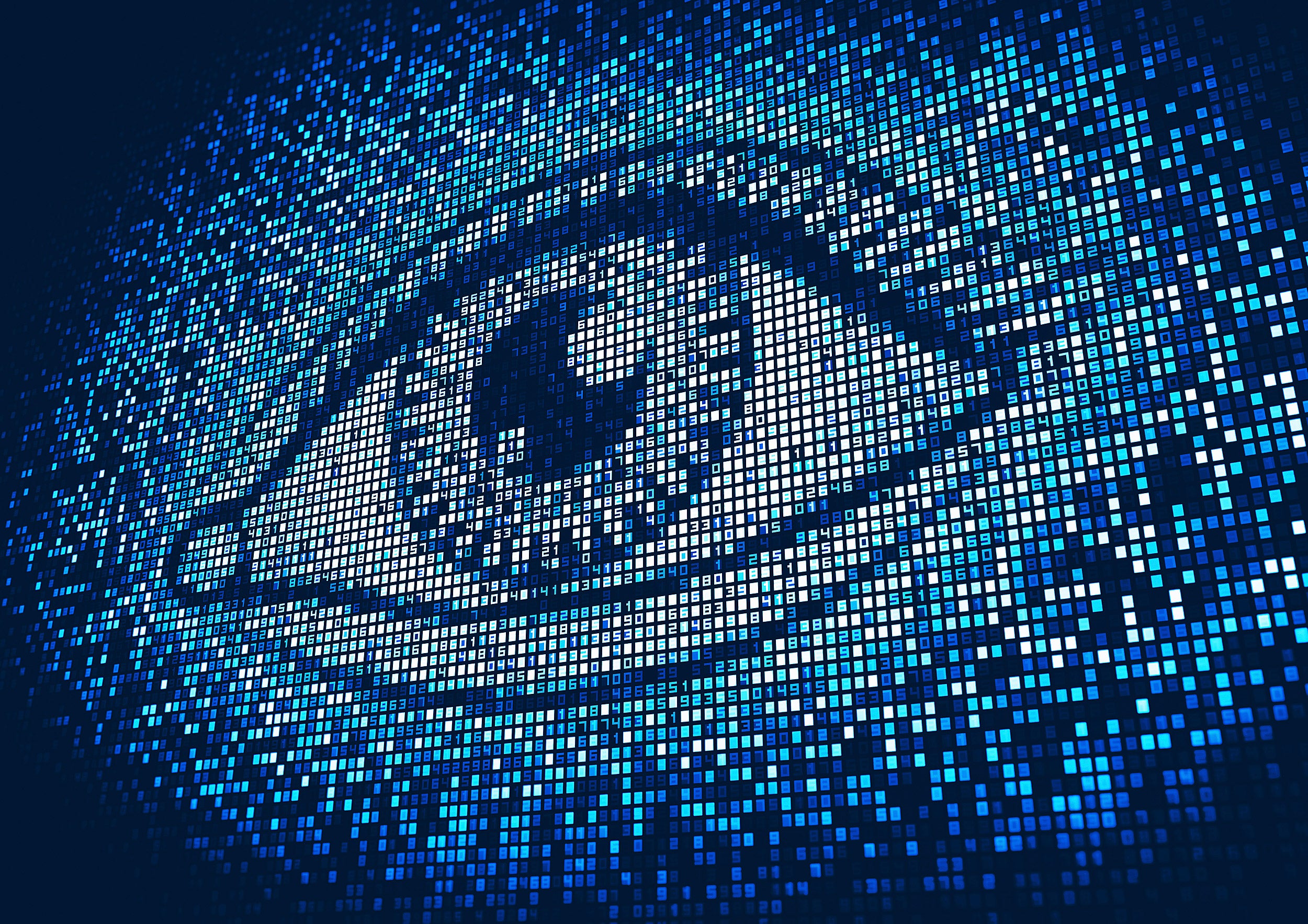
*The concept of surveillance capitalism.*
Another practical implication of the telescreen is its role in surveillance capitalism, a term coined by Harvard Business School professor Shoshana Zuboff. Surveillance capitalism refers to the collection, analysis, and monetization of personal data by corporations and governments. This data is used to predict and influence consumer behavior, shape public opinion, and inform policy decisions.
While data mining can lead to valuable insights and innovations, it also raises concerns about privacy, consent, and the potential for manipulation. As technology companies amass vast troves of personal data, the risk of breaches, hacks, and other security threats increases. Furthermore, the use of targeted advertising and other manipulative tactics can undermine individual autonomy and contribute to the erosion of democratic norms.
### 3. Artificial Intelligence and Deepfakes
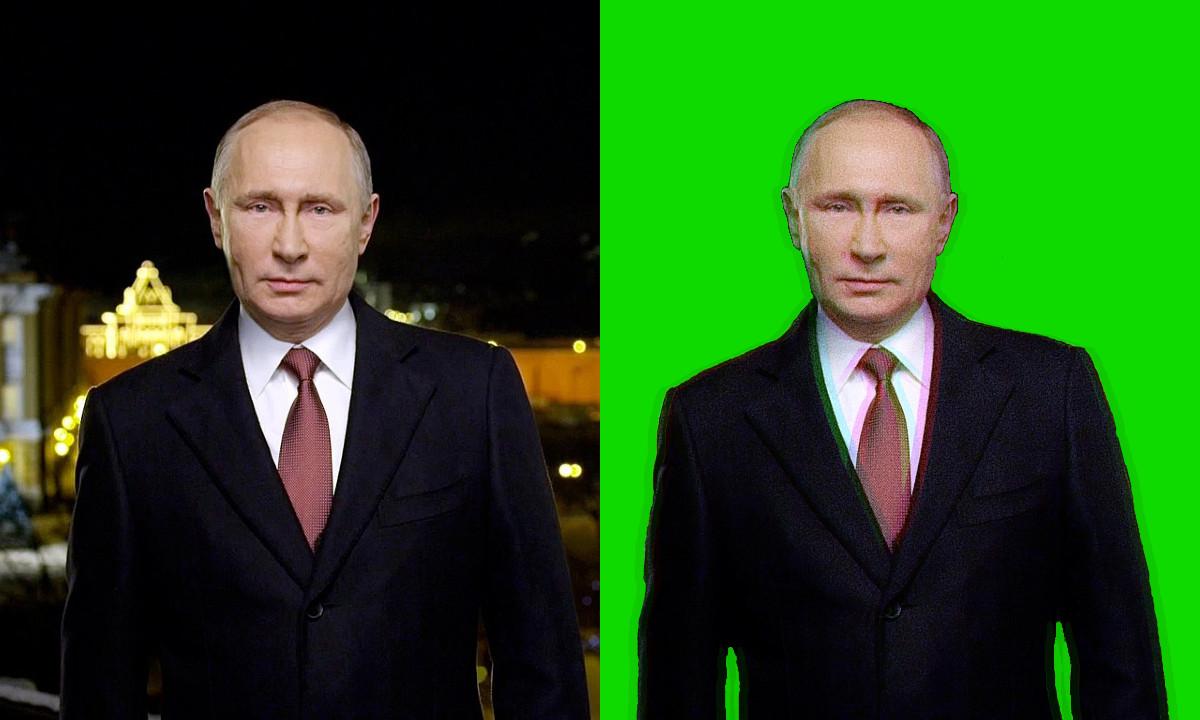
*An example of a deepfake.*
The telescreen's ability to manipulate and distort reality is exemplified by the concept of deepfakes, which involves using artificial intelligence (AI) to create realistic but fabricated images, audio, and video recordings. Deepfakes have the potential to deceive and manipulate on a massive scale, as they can be used to create convincing but false narratives, propaganda, and disinformation campaigns.
As AI technology continues to advance, the potential for deepfakes to undermine trust, sow discord, and influence elections becomes increasingly concerning. This phenomenon highlights the need for robust digital literacy education, as well as policies and regulations to combat the malicious use of AI.
## Conclusion: Key Insights and Further Exploration
The telescreen serves as a powerful metaphor for the potential dangers of unchecked technological advancement. By exploring its core concepts and practical implications, we can gain valuable insights into the complex relationship between technology, privacy, and power.
To further explore the topic of telescreens and their relevance in today's society, consider the following avenues for further study:
1. Examine the role of technology in shaping individual and collective identity. How do digital technologies influence our perceptions of ourselves and others? What are the implications of these shifts for interpersonal relationships, community engagement, and civic participation?
2. Investigate the ethical implications of surveillance capitalism. How can we balance the benefits of data-driven innovation with the need to protect individual privacy and autonomy? What policies and regulations are needed to ensure that technology is developed and deployed in a responsible and equitable manner?
3. Consider the potential consequences of deepfakes and other AI-driven manipulation techniques. How can we develop and implement strategies to detect, mitigate, and prevent the malicious use of AI? What role should governments, technology companies, and civil society play in addressing these challenges?
By engaging with these questions and continuing to explore the complex relationship between technology and society, we can better understand the implications of the telescreen and work towards a more equitable, just, and privacy-focused digital future.
Last updated: 2024-03-19
Related Books
Related Knowledges