# Trial and Error: Embracing Uncertainty and the Antifragile Mindset
[](https://upload.wikimedia.org/wikipedia/commons/9/9b/Taleb_mug.JPG)
*Nassim Nicholas Taleb, author of Antifragile*
In *Antifragile: Things That Gain from Disorder*, Nassim Nicholas Taleb introduces the concept of trial and error as a critical component of antifragility, a quality that helps individuals and systems thrive amidst chaos, uncertainty, and change. This learning method is essential for college students as it illustrates the importance of uncertainty, experimentation, and resilience in today's fast-paced world. We will delve into the core concepts of trial and error, its relation to antifragility, and explore various examples to cement its practical implications.
## Core Concepts and Relevance
Trial and error is a learning process based on experimentation, where individuals or systems repeatedly attempt different solutions to a problem, learn from both successes and failures, and iterate to improve their strategies. In *Antifragile*, Taleb emphasizes that many complex systems are inherently unpredictable, making trial and error the most effective method for understanding and navigating uncertainty.
Antifragile systems, as opposed to fragile or robust systems, thrive in volatile environments and benefit from disorder. These systems embrace variability, randomness, and stressors, which lead to growth and improvement. By incorporating trial and error into our decision-making, we foster antifragility and increase our capability to handle uncertainty and unforeseen challenges.
## Examples of Trial and Error in Practice
### Aviation Industry
The aviation industry exemplifies trial and error and antifragility in practice. As Taleb notes, before the advent of flight simulators in the 1970s, commercial airlines determined the minimum training time for pilots through trial and error. New pilots would fly with veteran aviators, gaining hands-on experience and learning from successes and mishaps.
[](https://upload.wikimedia.org/wikipedia/commons/2/27/980310-N-7355H-003_Simulator_Training.jpg)
*Example of a flight simulator used in pilot training*
After the introduction of simulators, pilot training became more standardized and structured. However, trial and error still play a critical role in the profession. Flight crews continually update their knowledge and adapt their procedures based on near-miss incidents, air safety reports, and minor accidents. The aviation industry's robust error-reporting culture enables continuous improvement and lessons learned, which makes it considerably safer and antifragile.
### Agile Software Development
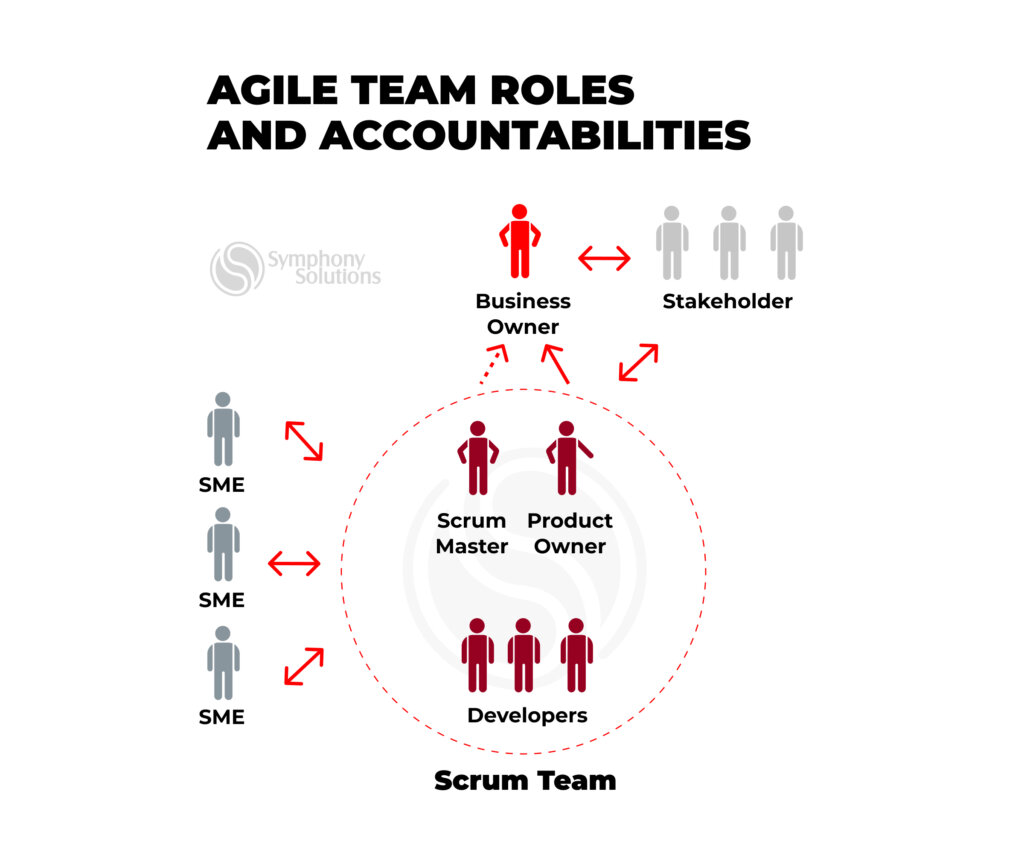
Another prime example of trial and error is Agile software development. This iterative, flexible approach to software development prioritizes collaboration and customer satisfaction, recognizing that customer needs often evolve over time. Agile teams work in short "sprints," allowing them to regularly revise and adapt their projects, integrating customer feedback. Frequent retrospectives enable teams to review their work processes, reflect on their successes and failures, and iterate on their strategies.
[](https://symphony-solutions.com/wp-content/uploads/sites/5/2021/03/agile-team-roles-and-responsibilities-2-1024x847.jpg)
*Agile software development team in action*
By incorporating trial and error into their workflow, Agile teams foster antifragility, enabling them to respond quickly and effectively to changing requirements and evolving market conditions.
### Drug Discovery and Pharmaceutical Research
In drug discovery and pharmaceutical research, trial and error are crucial. There is no definitive way of predicting which molecules or compounds will develop into successful drugs. Through experimentation and iteration, researchers can eliminate unviable compounds or candidates that have adverse effects, gradually narrowing down the list of potential new medicines.
[](https://cdn.bcm.edu/sites/default/files/styles/full_width_component_image_standard/public/2020-06/Center-for-Drug-Discovery.jpg?itok=LFF9tdSG&h=6135c93e)
*Drug discovery process in a laboratory*
This process emphasizes the significance of trial and error in the scientific community. Researchers accept and integrate failure as part of their work, allowing them to remain antifragile in their pursuits and, eventually, discover life-saving drugs.
## Conclusion and Further Exploration
Incorporating trial and error into our decision-making processes can have transformative effects on our lives and careers. By acknowledging and embracing uncertainty, we can cultivate antifragile mindsets that enable us to manage risks, experiment, and learn from our failures.
Delving deeper into trial and error, we encourage college students to research and consider the following questions:
* How can trial and error be applied in the context of academic research or project management?
* In which other industries or domains does trial and error play a significant role, and how can these examples inform our understanding of antifragility?
* What are the potential challenges or barriers to implementing trial and error as a learning method or decision-making process?
As you reflect on these questions and explore the applications of trial and error further, embrace the uncertainty that comes with learning. Remain open to making mistakes, iterating on your ideas, and refining your understanding of the world. By adopting the antifragile mindset and valuing trial and error, you can thrive amidst complexity, ambiguity, and change.
Last updated: 2024-04-05
Related Books

Related Knowledges