# Redundancy: An Essential Aspect of Antifragile Systems
*Antifragility* is a concept introduced by author Nassim Nicholas Taleb in his books *Antifragile: Things That Gain from Disorder* and *The Black Swan*. The term *antifragile* refers to something that not only withstands stressors and chaos but also benefits from them, becoming stronger and more resilient as a result. The concept of redundancy plays a crucial role in the development of antifragile systems. In this essay, we will discuss the core concepts of redundancy, its relevance in creating antifragile systems, and provide diverse examples that illustrate its practical implications.
[](https://m.media-amazon.com/images/I/71bPC5sjX5L.jpg)
*Concept of Antifragility by Nassim Nicholas Taleb*
## The Core Concept of Redundancy
Redundancy is the idea of having more of something than is strictly necessary. In an engineering context, redundancy refers to the duplication of critical components or functions of a system with the intention of increasing reliability. In a broader sense, redundancy can refer to the duplication of information, resources, or processes to ensure that a system can continue to function effectively even in the face of adversity or stressors.
[](https://upload.wikimedia.org/wikipedia/commons/5/54/PC-Netzteil_%28redundant%29.jpg)
*Example of Redundancy in Engineering*
## Redundancy and Antifragility
Redundancy is a fundamental building block of antifragility because it enables a system to withstand stressors by having backup components or processes in place. This redundancy can help a system to absorb shocks, maintain functionality, and even improve its overall performance. Redundancy also allows a system to learn from stressors, making it more resilient and adaptive in the face of future challenges.
## Practical Implications: Examples and Applications
Here are a few examples of how redundancy contributes to antifragile systems in various domains:
**Biological Systems:**
The human body is a prime example of a redundant and antifragile system. Redundancy is built into our biological systems at multiple levels, from the duplication of organs (e.g., two lungs, two kidneys) to the existence of multiple, parallel neural pathways in the brain. This redundancy enables the body to continue functioning even when parts of it are damaged or compromised.
[](https://scx2.b-cdn.net/gfx/news/hires/2023/the-benefit-of-redunda.jpg)
*Redundancy in Biological Systems*
For instance, when a person loses a limb, the brain rewires itself to reroute the neural pathways responsible for controlling that limb's movements to other parts of the body, allowing the individual to adapt and continue functioning. This adaptation highlights the antifragility of the brain and the importance of redundancy in enabling it to withstand and even benefit from the stressor of limb loss.
**Economic Systems:**
Decentralization and redundancy are essential for creating antifragile economic systems that can withstand and adapt to shocks and stressors. For example, Bitcoin, a decentralized digital currency, relies on a redundant network of nodes (computers) to validate and record transactions, making it resilient to the failure of individual nodes or even entire regions.
Moreover, the existence of multiple, diverse economic systems (e.g., free-market capitalism, socialism, and mixed economies) allows for the exploration of different approaches and the sharing of best practices. This redundancy enables societies to learn and adapt, becoming more resilient and antifragile in the face of economic challenges.
[](https://i.ytimg.com/vi/afFyb-lCDWc/hq720.jpg?sqp=-oaymwEhCK4FEIIDSFryq4qpAxMIARUAAAAAGAElAADIQj0AgKJD&rs=AOn4CLBPH8WDBCSPbwjLUXzYd2XXCIpl1g)
*Redundancy in Economic Systems*
**Engineering and Architecture:**
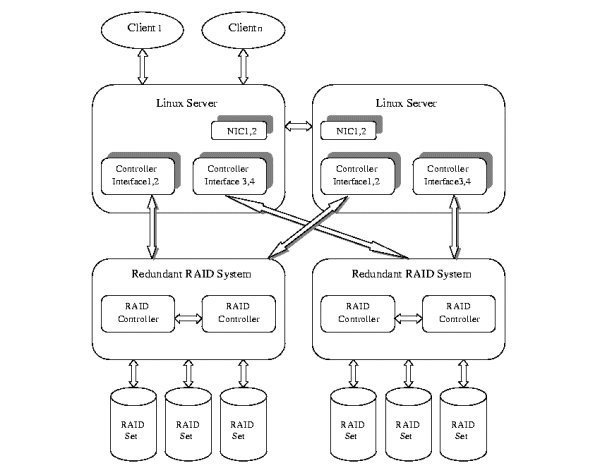
Redundancy is a well-established concept in engineering and architecture, where it is often referred to as "fault tolerance." For example, having multiple backup power sources in a building or data center ensures that critical systems continue to function even if one or more power sources fail. Similarly, the use of redundant load-bearing structures in buildings can prevent catastrophic collapse in the event of localized damage.
[](http://www.istl.org/03-summer/article3-1a.gif)
*Fault Tolerance in Architecture*
**Software Development:**
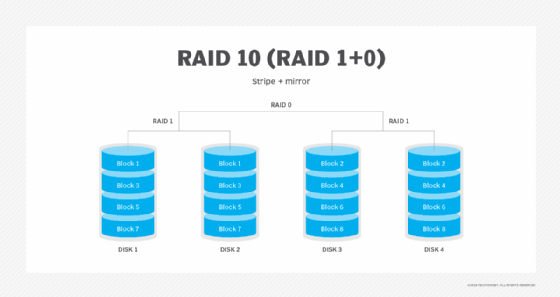
Redundancy is also crucial in software development, particularly in the context of data storage and processing. For example, RAID (Redundant Array of Independent Disks) is a technology that employs data redundancy to improve data reliability and availability. By storing data across multiple disks and using parity calculations, RAID can recover data even if one or more disks fail.
[](https://www.techtarget.com/rms/editorial/storage_raid_10_mobile.png)
*Data Redundancy with RAID Technology*
## Key Insights and Further Exploration
Redundancy is a crucial component of antifragile systems, providing a means for them to withstand stressors, maintain functionality, and even improve their performance. While the concept of redundancy may seem counterintuitive in a world that often prioritizes efficiency, it is a powerful tool for creating systems that can thrive in the face of chaos and uncertainty.
To further explore the topic of redundancy and antifragility, consider the following:
- Delve deeper into the works of Nassim Nicholas Taleb, particularly his books *Antifragile: Things That Gain from Disorder* and *The Black Swan*.
- Study the concept of resilience in various domains, such as ecology, engineering, and social systems, and identify the role of redundancy in each of these contexts.
- Analyze the trade-offs between efficiency and redundancy in different systems, and discuss the implications of these trade-offs for decision-makers and policymakers.
- Explore how redundancy and antifragility can be incorporated into education systems, urban planning, and other complex adaptive systems.
Last updated: 2025-05-14
Related Books

Related Knowledges