# Inequality: An In-depth Look from the Perspective of Antifragile by Nassim Nicholas Taleb
Inequality is a complex and multifaceted concept that has garnered significant attention in recent years. In his book *Antifragile: Things That Gain from Disorder*, Nassim Nicholas Taleb offers a unique perspective on inequality that challenges conventional wisdom.
At its core, Taleb's understanding of inequality is rooted in his concept of antifragility, which refers to systems or entities that not only survive but thrive in the face of volatility, uncertainty, and stressors. According to Taleb, inequality is a necessary and inevitable feature of antifragile systems.
[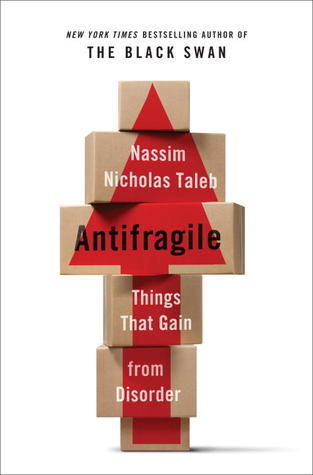](https://images-na.ssl-images-amazon.com/images/S/compressed.photo.goodreads.com/books/1352422827i/13530973.jpg)
*Antifragile concept illustration*
This introduction to inequality, rooted in antifragility, is particularly relevant for college students as it offers a new way of thinking about and understanding a complex and pressing social issue. Moreover, it highlights the importance of resilience and adaptability in the face of uncertainty and change.
## Example 1: Inequality and the Financial System
One of Taleb's key examples of the importance of inequality in driving antifragile systems is the financial system. According to Taleb, a financial system that is too equal, where all actors have similar levels of wealth and resources, is fragile and prone to collapse. This is because, in a highly equal financial system, any shock or stressor will be evenly distributed, making it more likely that the entire system will be unable to absorb the impact.
On the other hand, a financial system with a high degree of inequality, where some actors have significantly more wealth and resources than others, is more antifragile. This is because, in a highly unequal financial system, the impact of any shock or stressor will be unevenly distributed, making it less likely that the entire system will be unable to absorb the impact.
[![Q&A\] Addressing Gender Inequality in the Formal Financial System ...](https://www.centerforfinancialinclusion.org/wp-content/uploads/2020/03/Alex-Taylor-Jacqeuline-foelster.jpg)](https://www.centerforfinancialinclusion.org/wp-content/uploads/2020/03/Alex-Taylor-Jacqeuline-foelster.jpg)
*Financial system inequality diagram*
This understanding of the importance of inequality in driving antifragile financial systems has important implications for college students, particularly those studying finance, economics, or business. It highlights the importance of building resilience and adaptability into financial systems and the need for a diversity of actors and resources.
## Example 2: Inequality and the Labor Market
Another example of the importance of inequality in driving antifragile systems is the labor market. According to Taleb, a labor market that is too equal, where all workers have similar levels of skills and resources, is fragile and prone to collapse. This is because, in a highly equal labor market, any shock or stressor will be evenly distributed, making it more likely that the entire market will be unable to absorb the impact.
On the other hand, a labor market with a high degree of inequality, where some workers have significantly more skills and resources than others, is more antifragile. This is because, in a highly unequal labor market, the impact of any shock or stressor will be unevenly distributed, making it less likely that the entire market will be unable to absorb the impact.
[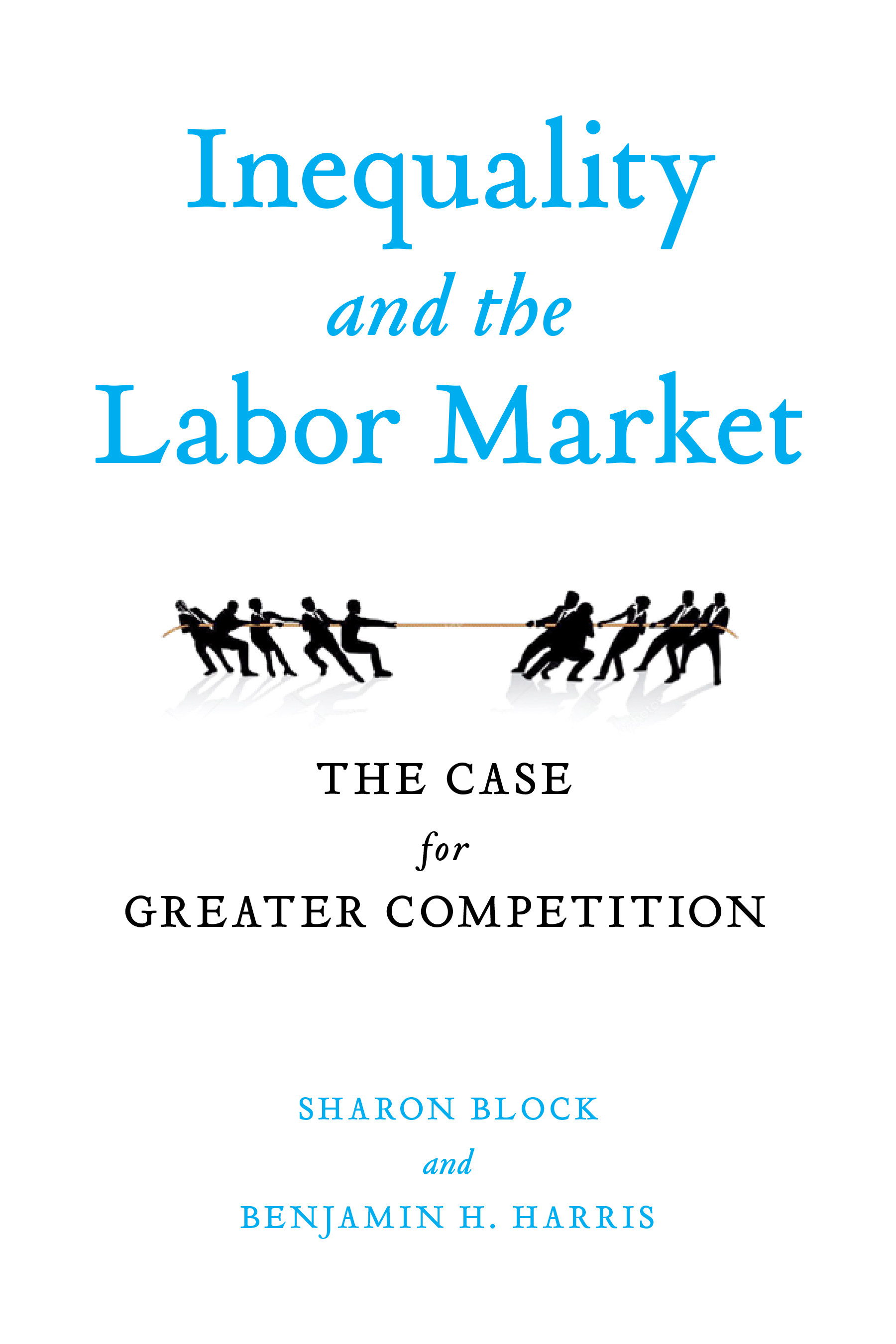](https://www.brookings.edu/wp-content/uploads/2020/08/9780815738800_FC.jpg)
*Labor market inequality illustration*
This understanding of the importance of inequality in driving antifragile labor markets has important implications for college students, particularly those studying sociology, economics, or business. It highlights the importance of building resilience and adaptability into labor markets and the need for a diversity of skills and resources.
## Conclusion
In conclusion, Taleb's concept of inequality, grounded in his concept of antifragility, offers a unique and insightful perspective on a complex and pressing social issue. By emphasizing the importance of inequality in driving antifragile systems, Taleb challenges conventional wisdom and highlights the importance of resilience and adaptability in the face of uncertainty and change.
For college students, the insights offered by Taleb's perspective on inequality have important implications for a wide range of fields and disciplines. From finance and economics to sociology and business, Taleb's understanding of inequality sheds new light on the importance of building resilience and adaptability into systems and underscores the need for a diversity of actors, resources, and skills.
For further exploration of the topic of inequality from the perspective of antifragility, college students may wish to consider the following avenues:
1. Researching the relationship between inequality and the resilience of other systems, such as healthcare, education, and environmental systems.
2. Examining the social and political implications of Taleb's perspective on inequality and its relationship to issues such as poverty, social mobility, and inequality of opportunity.
3. Considering the ethical implications of Taleb's perspective on inequality and its potential impact on social justice, fairness, and equality.
By engaging with these and other questions related to Taleb's understanding of inequality, college students can deepen their understanding of this complex and pressing social issue and contribute to ongoing debates and discussions.
Last updated: 2024-12-24
Related Books

Related Knowledges