# Proactive Risk Management: Fundamentals and Applications in Decision Making
Risk management is an essential aspect of decision-making, especially in business and investment. In *Poor Charlie's Almanack*, Charles T. Munger emphasizes the importance of proactive risk management to achieve long-term success. This article will explore the core concepts of proactive risk management, its relevance, and practical applications, followed by a conclusion summarizing key insights and further exploration.
## Core Concepts of Proactive Risk Management
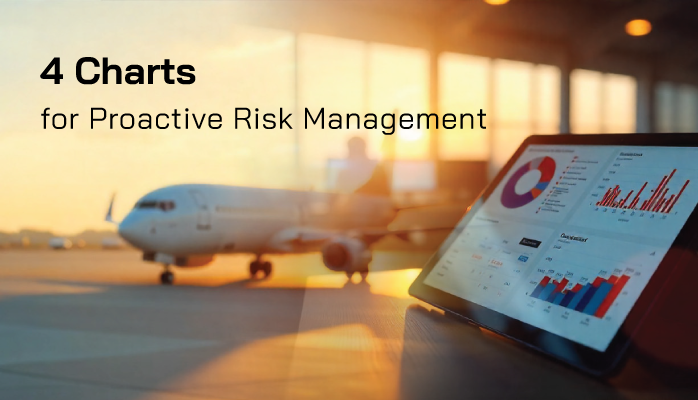
*Illustration of Proactive Risk Management Principles*
[](https://aviationsmsinfo.asms-pro.com/hubfs/images/Blog_Images/4-Charts-for-Proactive-Risk-Management.png)
*Illustration of Proactive Risk Management Principles*
Proactive risk management involves three primary principles:
1. **Understanding the nature of risks:** Recognize that risks are inherent in every decision and activity. They can be broadly categorized into two types: quantifiable risks, which can be measured and analyzed statistically, and qualitative risks, which are more difficult to quantify but equally important. Assessing both types is crucial for informed decision-making.
2. **Incorporating a margin of safety:** Always account for uncertainties and potential adverse outcomes when evaluating potential risks. A margin of safety provides a buffer to absorb unanticipated events or errors in judgment. This principle is central to Munger's investment philosophy.
3. **Continuous learning and adaptation:** Proactively seek knowledge to improve risk assessment and management skills. Learning from past experiences, both successes, and failures, and staying informed about industry trends and best practices will enhance risk management capabilities.
## Relevance of Proactive Risk Management
*Relevance of Proactive Risk Management in Business*
[](https://www.businessbacker.com/wp-content/uploads/2020/07/20-00471_05_USMB_TBB-4-Tips-for-Small-Business-Risk-Management_1a01_Hero-Image.png)
*Relevance of Proactive Risk Management in Business*
Implementing proactive risk management in decision-making processes ensures long-term success and resilience, particularly in volatile environments. It enables individuals and organizations to:
- **Minimize losses:** Anticipating potential risks and implementing appropriate mitigation strategies reduces the likelihood and impact of adverse events.
- **Increase opportunities for growth:** Recognizing and managing risks opens up new possibilities for growth and innovation.
- **Foster resilience and adaptability:** Proactively addressing risks allows organizations to respond effectively to unexpected challenges and maintain a competitive edge.
## Practical Applications of Proactive Risk Management
*Example of Margin of Safety in Investment Decisions*
[](https://www.investopedia.com/thmb/J94tnC7xh-LKX9ktpUbFEMvMbIc=/1500x0/filters:no_upscale%28%29:max_bytes%28150000%29:strip_icc%28%29/Marginofsafety_final-966fd1e5b6534666beef966b7011f14a.png)
*Example of Margin of Safety in Investment Decisions*
The following examples illustrate the practical implications of proactive risk management:
**Investment Decisions:**
Munger emphasizes the importance of a margin of safety when making investment decisions. By understanding the intrinsic value of an investment and acquiring it at a significant discount, investors can minimize their exposure to potential losses. This approach allows them to maintain a diversified portfolio while maximizing their potential returns.
For instance, consider a stock trading at $50 per share, with an estimated intrinsic value of $75 per share. An investor who purchases the stock at $35 per share, 53% below its intrinsic value, has a 33% margin of safety. If the stock's market value drops to its intrinsic value ($75), the investor would still realize a 100% return on their investment, while potential losses are capped at 33%.
**Operational Decisions:**
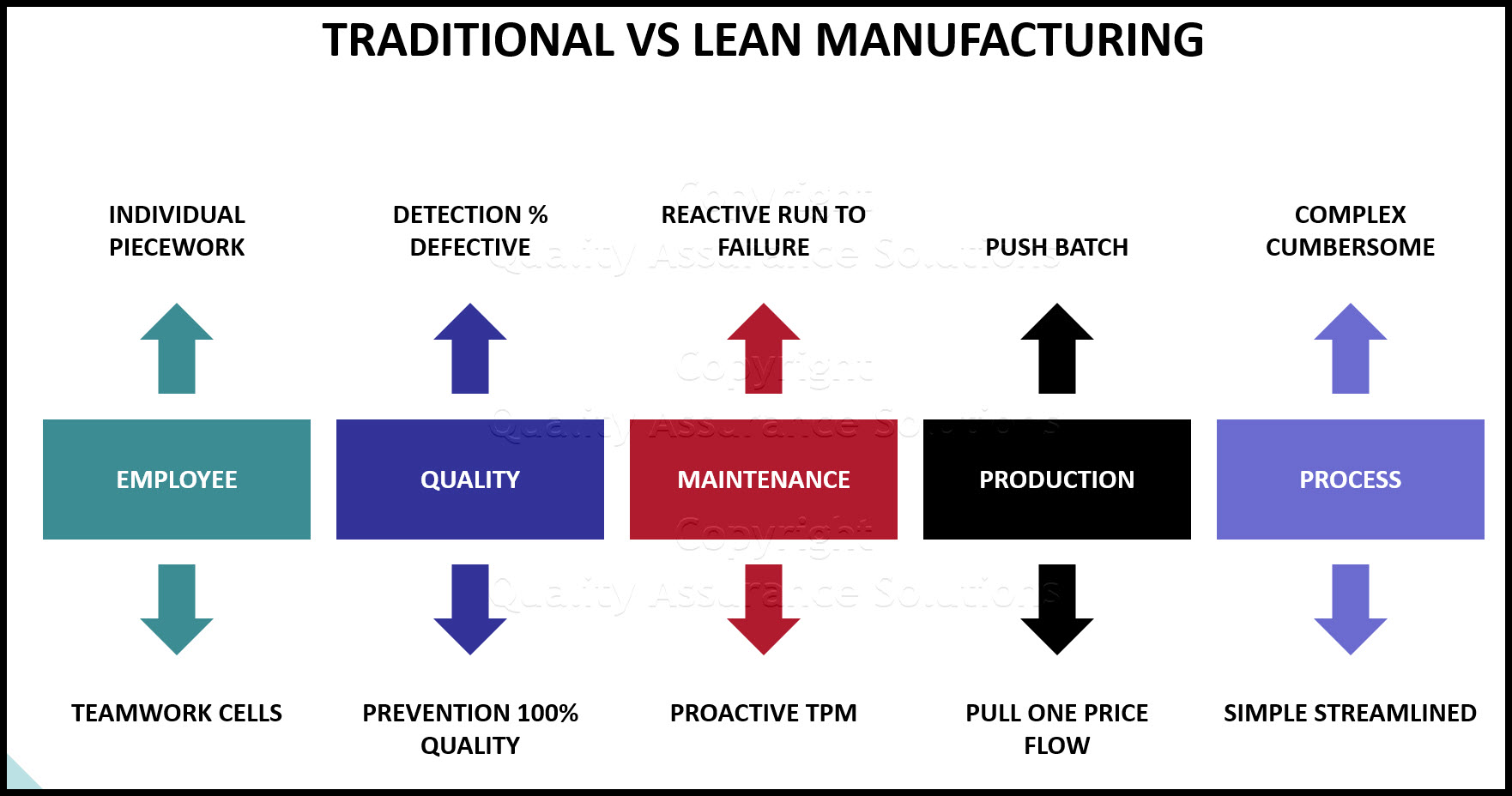
*Operational Decision Example: Lean Management Strategy*
[](https://www.quality-assurance-solutions.com/images/Lean-manufacturing-ppt.jpg)
*Operational Decision Example: Lean Management Strategy*
Operational risks arise from processes, systems, or human factors within an organization. Proactively managing these risks through continuous improvement initiatives, such as lean management or Six Sigma, reduces waste, inefficiencies, and errors, enhancing overall organizational performance.
For instance, a manufacturing company might implement a lean management strategy to eliminate unnecessary steps in its production process. By doing so, the company reduces the risk of production delays, enhances product quality, and lowers production costs, ultimately leading to improved customer satisfaction and increased revenue.
## Key Insights and Future Exploration
Proactive risk management is crucial in decision-making, as it enables individuals and organizations to minimize losses, maximize opportunities, and foster resilience. Implementing a margin of safety, continuously learning, and staying informed about industry trends and best practices contribute to successful risk management.
To further explore proactive risk management, consider delving into the following areas:
*Exploration into Decision-Making Frameworks*
[](https://assets.plan.io/images/blog/titel-best-decision-making-frameworks.png)
*Exploration into Decision-Making Frameworks*
- **Scenario Analysis:** Utilize scenario analysis techniques, such as Monte Carlo simulations, to assess and manage risks more effectively.
- **Decision Trees:** Apply decision-tree analysis to evaluate various risk mitigation strategies and make informed decisions.
- **Cybersecurity Risk Management:** With the increasing digitalization of businesses and society, understanding and managing cybersecurity risks is vital for ensuring long-term success and resilience.
- **Regulatory Compliance:** Stay updated on regulatory requirements and industry standards to mitigate regulatory risks and maintain a competitive edge.
- **Decision-Making Frameworks:** Familiarize yourself with decision-making frameworks, such as the OODA Loop or the ACE Model, which emphasize proactive risk management.
By embracing the principles of proactive risk management, individuals and organizations can develop a robust decision-making process, ensuring long-term success and resilience in various fields and industries.
Last updated: 2024-06-13
Related Books

Related Knowledges