# Circle of Competence: Expanding Your Sphere of Understanding
In the realm of knowledge acquisition and decision-making, the concept of circle of competence, developed by renowned investor and philanthropist Charles T. Munger, plays a vital role. By understanding and adhering to one's circle of competence, individuals can significantly enhance their ability to make informed decisions and achieve long-term success. In this comprehensive guide, we will delve into the core concepts of the circle of competence, illustrate its practical implications through diverse examples, and discuss strategies for further exploration of this topic.
[](https://cdn1.vectorstock.com/i/1000x1000/06/50/competence-infographic-10-steps-circle-design-vector-27300650.jpg)
*Concept of Circle of Competence*
## What is the Circle of Competence?
The circle of competence refers to the realm of activities, ideas, and pursuits in which an individual has acquired sufficient knowledge and experience to make informed judgments and decisions. As Munger puts it, "You have to figure out what your own aptitudes are. If you play games where other people have the aptitudes and you don't, you're going to lose. And that's as close to certain as any prediction that you can make. You have to figure out where you've got an edge. And you've got to play within your own circle of competence."
In essence, the circle of competence is about recognizing, embracing, and operating within the boundaries of your expertise, while continually expanding those boundaries through focused learning and experience. This self-awareness and discipline can minimize the potential for costly mistakes and improve your overall decision-making process.
## Practical Implications: Examples and Applications
### 1. Investment Decision Making
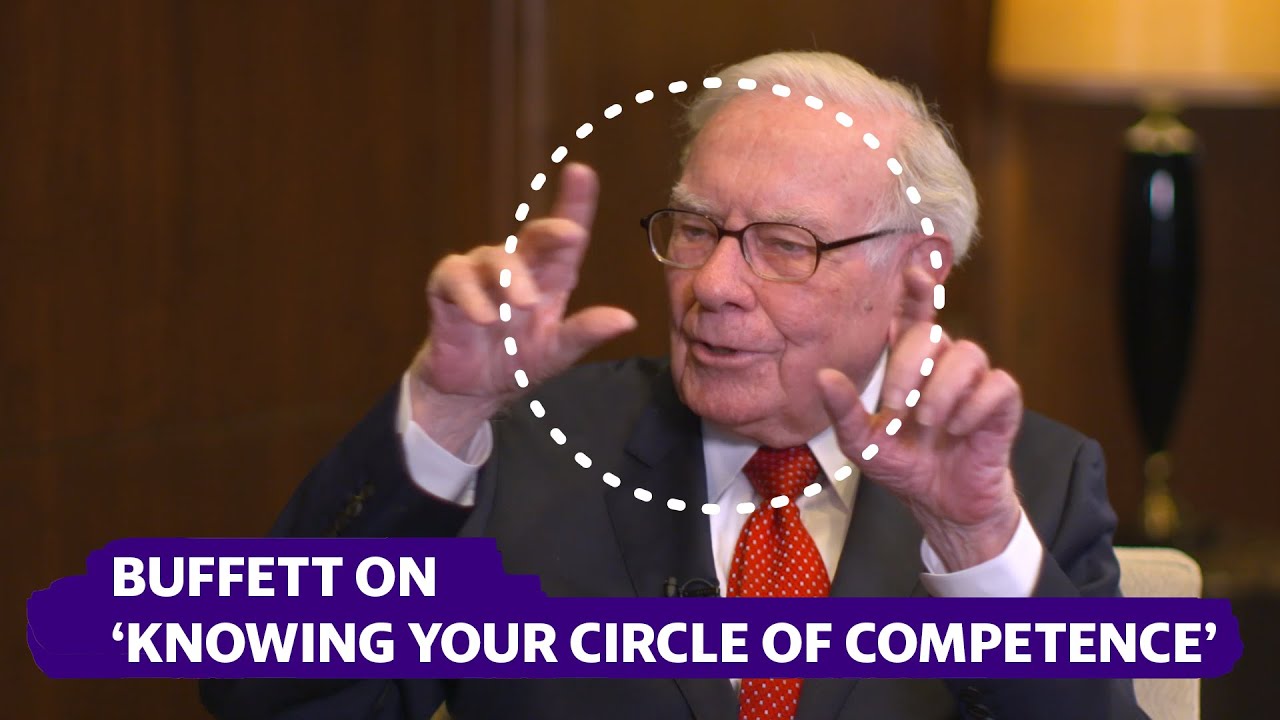
One of the most well-known applications of the circle of competence is in the realm of investing. Many successful investors, including Warren Buffett and Charlie Munger, have long emphasized the importance of understanding their own circle of competence and making investment decisions accordingly.
For instance, Warren Buffett is famously quoted as saying, "You only have to do a very few things right in your life so long as you don't do too many things wrong. I've passed on a couple thousand things that would have been reasonably good businesses… I've probably invested in 500 or 600 stock deals over a 60-year period, and, of those, I've kept less than 10, and they were all concentrated in a few areas where I had a very high level of confidence and very high probability."
[](https://i.ytimg.com/vi/vHq9d0bE06s/maxresdefault.jpg)
*Warren Buffett and Circle of Competence*
This approach allowed Buffett to avoid speculative investments that fell outside his area of expertise, and instead focus on opportunities that aligned with his knowledge and understanding.
### 2. Personal Development and Career Advancement
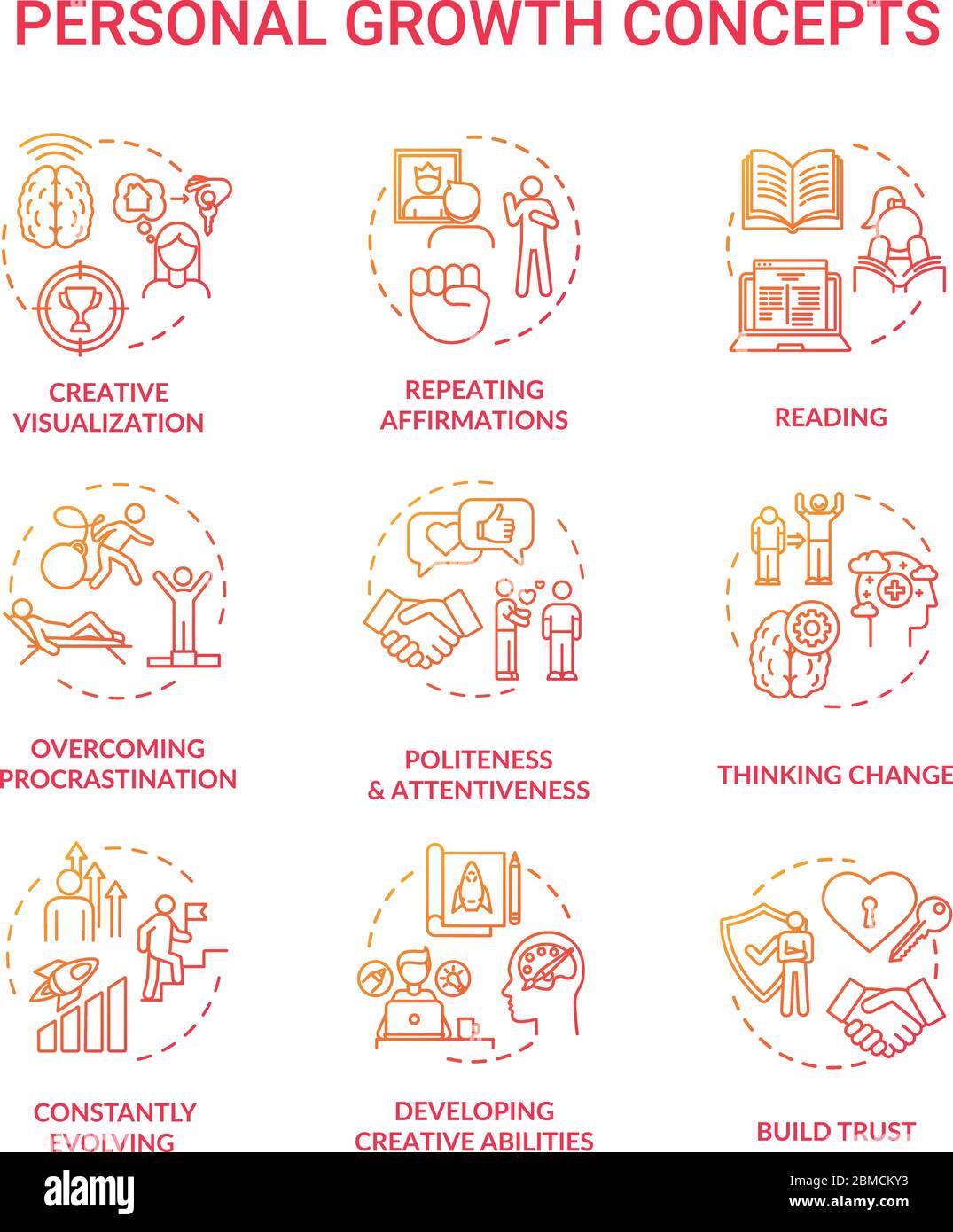
Beyond the world of investing, the circle of competence is also applicable in personal development and career advancement. By understanding your own circle of competence, you can make more informed decisions about which skills to acquire and which opportunities to pursue.
Consider the case of a marketing professional who has excelled in the field of content creation and strategy but lacks experience in the technical aspects of digital marketing. By recognizing the boundaries of their circle of competence, this individual can focus on expanding their skills in content strategy and seek out opportunities to work with experts in technical fields.
Furthermore, by developing a deep understanding of their own circle of competence, professionals can better communicate their expertise and value proposition to potential employers or clients, improving their chances of success in the job market or the negotiation process.
[](https://c8.alamy.com/comp/2BMCKY3/personal-growth-concept-icons-set-self-improvement-goals-achievement-idea-thin-line-rgb-color-illustrations-skills-and-relationship-development-ve-2BMCKY3.jpg)
*Expanding Personal Skills*
### 3. Problem Solving and Decision Making
The circle of competence is also a valuable tool for problem-solving and decision-making across various domains. By understanding and acknowledging the boundaries of their knowledge, individuals can approach problems more effectively, identifying when to seek assistance and guidance from others.
Take, for example, a biologist studying the effects of climate change on a specific species. By understanding that their expertise lies within the biological and ecological aspects of the problem, the researcher can collaborate with experts in other disciplines, such as meteorologists and statisticians, to develop a more holistic understanding of the issue and propose well-informed solutions.
By fostering a strong understanding of their own circle of competence, individuals can better assess their ability to tackle various challenges, making the decision to either proceed independently, seek out additional knowledge, or collaborate with others when appropriate.
[](https://ripon.edu/wp-content/uploads/2014/10/Collaborative-Skills-Scaffolding-1.jpg)
*Problem Solving and Decision Making*
## Key Insights and Future Exploration
As demonstrated through these examples, the circle of competence serves as a valuable tool for improved decision-making, personal development, career advancement, problem-solving, and collaboration. By committing to an ongoing process of self-assessment and skill-building, individuals can effectively expand their circle of competence and achieve long-term success.
To further explore the topic of circle of competence and integrate it more effectively into your personal and professional life, consider the following suggestions:
1. Reflect on your own circle of competence: Consider the domains in which you possess expertise, and contemplate the skills and experiences that contribute to that competence. Regularly revisit this reflection to ensure that your self-perception remains up-to-date and aligned with your current knowledge and abilities.
2. Expand your knowledge: Commit to a continuous learning process by identifying areas for improvement within your circle of competence. Seek out resources and opportunities to acquire new skills and advance your understanding of your areas of expertise.
3. Collaborate and seek mentorship: Connect with experts in your fields of interest and engage in dialogue with individuals who possess complementary skill sets. By learning from and working together with others, you can broaden your perspective and enhance your understanding of the broader context in which your expertise resides.
4. Beware of overconfidence: Recognize and guard against the potential for overconfidence in your abilities, particularly when venturing into new domains. Acknowledge the limitations of your knowledge and maintain a humble approach to learning and engagement in unfamiliar areas.
5. Develop a keen sense for identifying opportunities: Utilize your expanding circle of competence to identify and capitalize on opportunities that align with your strengths and expertise. In doing so, you will be better positioned to achieve success and minimize potential losses due to ill-informed decisions or ventures.
Last updated: 2024-05-31
Related Books

Related Knowledges