# Understanding Land Reform: Insights from 'Asian Godfathers' by Joe Studwell
## Introduction
Land reform is a critical issue that has significant implications for economic development and social justice. In his book 'Asian Godfathers,' journalist and author Joe Studwell examines the role of land reform in the economic success of several Asian countries. He argues that successful land reform is a crucial factor in the rapid economic growth of Japan, South Korea, and Taiwan, and suggests that other countries in the region can learn from their experiences.
At its core, land reform refers to the redistribution of agricultural land from large landowners to small-scale farmers. This process can take many forms, from land redistribution programs implemented by governments to market-based approaches that encourage small-scale farming. The primary goal of land reform is to increase agricultural productivity, promote social justice, and reduce poverty.

*Land reform process illustration*
In this educational content, we will explore the concept of land reform and its relevance in the context of Asian economic development. We will examine Studwell's arguments and analyze the practical implications of land reform for policymakers and development practitioners.
## Land Reform in Japan, South Korea, and Taiwan
Studwell argues that successful land reform was a crucial factor in the rapid economic growth of Japan, South Korea, and Taiwan. In each of these countries, the government implemented land reform programs that redistributed agricultural land from large landowners to small-scale farmers.
In Japan, the government implemented land reform after World War II, redistributing land from absentee landlords to small-scale farmers. This reform had a significant impact on agricultural productivity, as small-scale farmers were more motivated and efficient than large landowners. As a result, Japan was able to increase its food production and reduce its dependence on food imports.
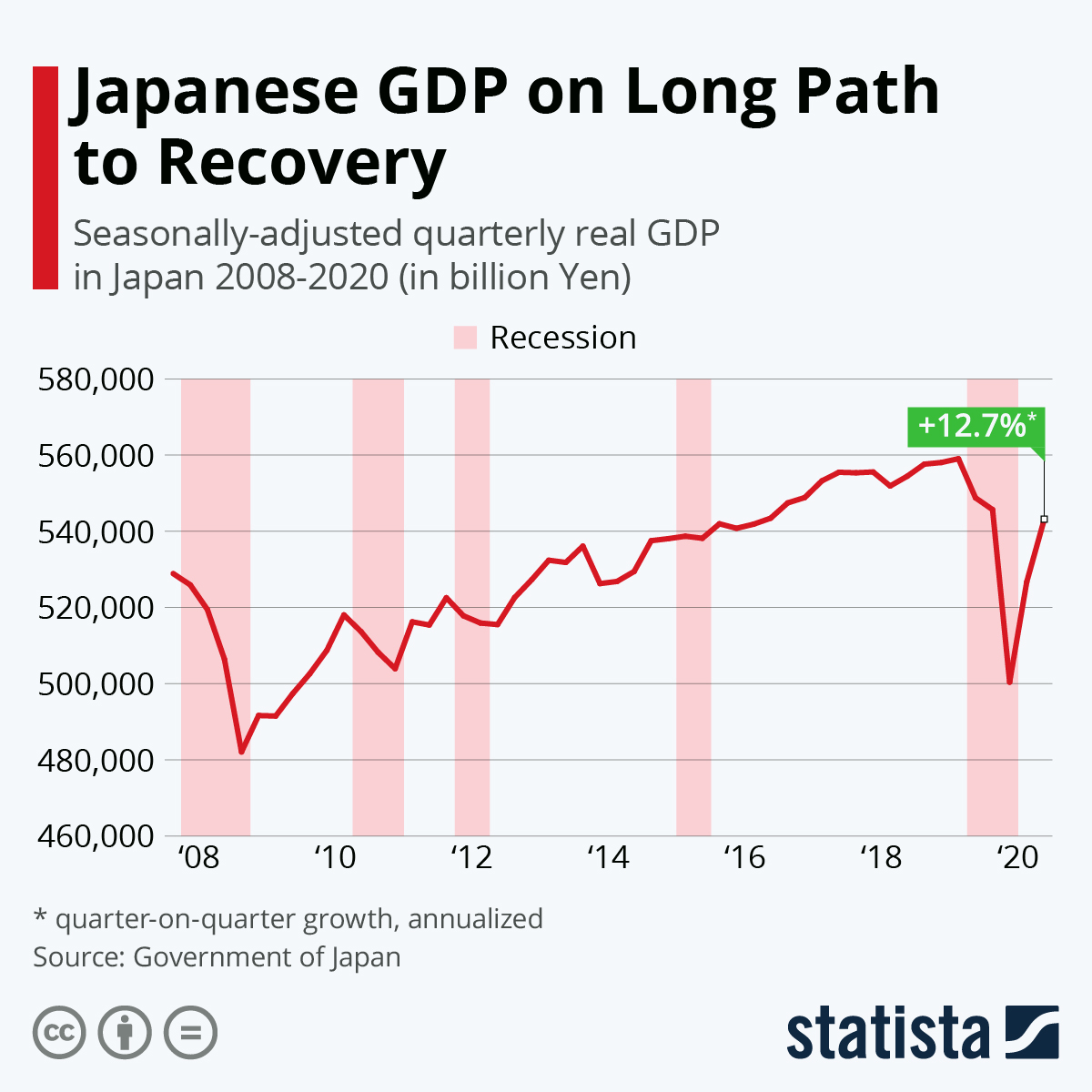
*Economic growth in Japan after land reform*
Similarly, in South Korea and Taiwan, the government implemented land reform programs in the 1950s. In both countries, the government purchased land from large landowners and redistributed it to small-scale farmers. This reform had a similar impact on agricultural productivity, as small-scale farmers were more efficient and motivated than large landowners.

*South Korea agricultural productivity graph*
Studwell argues that these land reform programs had several practical implications for economic development. First, they increased agricultural productivity, which led to an increase in food production and a reduction in food imports. This had a positive impact on the balance of payments and helped to promote economic growth.
Second, land reform promoted social justice by redistributing land from large landowners to small-scale farmers. This helped to reduce poverty and promote social equality.
Third, land reform created a class of small-scale farmers who were more likely to invest in their land and adopt new technologies. This led to an increase in agricultural productivity and helped to promote economic growth.
## Land Reform in Other Asian Countries
Studwell suggests that other Asian countries can learn from the experiences of Japan, South Korea, and Taiwan. He argues that successful land reform is a crucial factor in promoting economic growth and reducing poverty.
In the Philippines, for example, the government has implemented several land reform programs, but these have had limited success. Studwell argues that this is because the programs have not gone far enough in redistributing land from large landowners to small-scale farmers.
In Indonesia, the government has implemented a land reform program that has had some success in redistributing land. However, the program has faced several challenges, including resistance from large landowners and a lack of support from the government.
Studwell suggests that successful land reform requires several key factors. First, there must be strong political will from the government to implement the reform. This requires a commitment to social justice and a recognition of the importance of small-scale farming.
Second, there must be a clear and transparent process for redistributing land. This requires a legal framework that protects the rights of small-scale farmers and ensures that they have access to credit and other support services.
Third, there must be a commitment to supporting small-scale farmers. This requires a recognition of the importance of small-scale farming for economic growth and social justice.
## Conclusion
In conclusion, land reform is a crucial factor in economic development and social justice. The experiences of Japan, South Korea, and Taiwan demonstrate the importance of land reform in promoting agricultural productivity, reducing poverty, and promoting social justice.
Studwell's analysis of land reform in Asia provides several key insights for policymakers and development practitioners. First, successful land reform requires strong political will from the government and a clear and transparent process for redistributing land.
Second, successful land reform requires a commitment to supporting small-scale farmers. This requires a recognition of the importance of small-scale farming for economic growth and social justice.
Third, successful land reform requires a long-term commitment to supporting small-scale farmers. This requires a recognition of the challenges facing small-scale farmers and a commitment to providing them with the support they need to succeed.
Further exploration of the topic of land reform could include a more detailed analysis of the challenges facing small-scale farmers in different contexts. This could include an examination of the impact of globalization, climate change, and other factors on small-scale farming. Additionally, further research could explore the potential of market-based approaches to land reform, such as land trusts and other forms of collective ownership.
Overall, the concept of land reform is a crucial one for policymakers and development practitioners to understand. By examining the experiences of Japan, South Korea, and Taiwan, we can gain valuable insights into the practical implications of land reform and its potential to promote economic growth and social justice.
Last updated: 2024-03-20
Related Books

Related Knowledges