# The Importance of Education: Lessons from 'Asian Godfathers'
## Introduction

*Cover of 'Asian Godfathers' by Joe Studwell*
In his book 'Asian Godfathers,' journalist and author Joe Studwell provide a comprehensive and insightful analysis of the role of education in the economic success of Asian countries. The book primarily focuses on the influential Chinese and Indian business tycoons, colloquially known as 'godfathers,' who have significantly contributed to the region's economic growth. Throughout the book, Studwell emphasizes the importance of education as a key factor in the success of these business leaders and the countries they operate in.
The relevance of education in the context of 'Asian Godfathers' extends beyond the realm of business and economics. It touches upon broader issues of social mobility, equality, and the role of education in shaping a nation's future. By examining the relationship between education and success in Asia, Studwell offers valuable insights for students, educators, and policymakers interested in understanding the complex dynamics of economic development and social progress.
## The Power of Education: Examples from 'Asian Godfathers'
### Case Study 1: The Emergence of a Global Business Leader
One of the most compelling examples of the importance of education in 'Asian Godfathers' is the story of Dhanin Chearavanont, the chairman of the Thai conglomerate Charoen Pokphand (CP) Group. Born into a humble family of Chinese immigrants in Thailand, Dhanin was the first in his family to receive a formal education. He attended a prestigious Chinese-language school in Bangkok, where he learned essential skills such as numeracy, literacy, and critical thinking.

*Dhanin Chearavanont, Chairman of CP Group*
Dhanin's educational background provided him with the foundation to expand his family's small seed shop into a multinational conglomerate with operations in various sectors, including agriculture, real estate, and telecommunications. Today, CP Group is one of the largest privately-owned companies in Asia, with an estimated revenue of over $60 billion.
Dhanin's story underscores the transformative power of education in shaping the trajectory of an individual's life and the broader socio-economic landscape of a nation. By investing in education, individuals can acquire the knowledge, skills, and values necessary to overcome adversity, seize opportunities, and contribute to the development of their communities.
### Case Study 2: Education and Social Mobility
Another compelling example of the importance of education in 'Asian Godfathers' is the relationship between education and social mobility. Studwell highlights the role of education in breaking the cycle of poverty and inequality that often plagues disadvantaged communities.
For instance, the book features the story of a Chinese immigrant family in Malaysia who, despite facing significant barriers to education and social advancement, were able to establish a successful business empire through education. The family's founder, a poor immigrant from China, recognized the value of education and invested in his children's education. As a result, his children were able to attend prestigious universities in the United States and return to Malaysia to establish a thriving business.
The family's story illustrates the crucial role of education in fostering social mobility and breaking the cycle of poverty. By providing individuals with the tools and resources necessary to succeed, education can help bridge the gap between the haves and the have-nots, enabling individuals to overcome structural barriers and achieve their full potential.
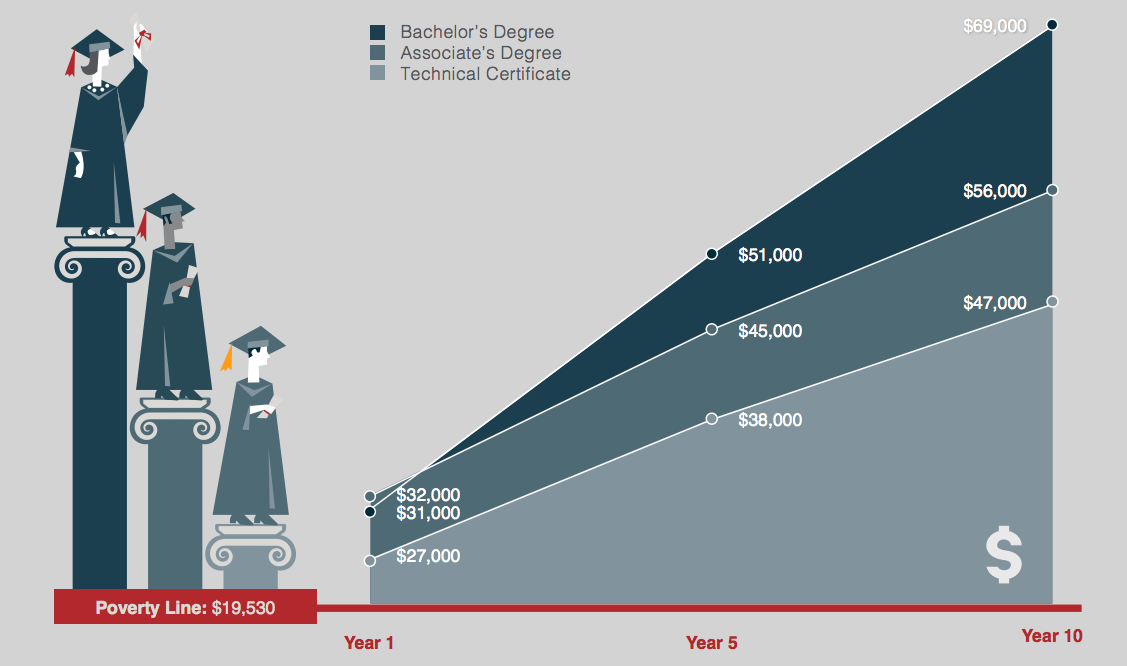
*Educational empowerment and social mobility*
## Conclusion
In 'Asian Godfathers,' Joe Studwell offers a compelling and insightful analysis of the importance of education in shaping the economic and social landscape of Asia. By examining the role of education in the success of influential business leaders and the broader socio-economic context, Studwell sheds light on the transformative power of education in shaping the trajectory of individuals, communities, and nations.
For students, educators, and policymakers, the lessons from 'Asian Godfathers' serve as a powerful reminder of the importance of investing in education as a means of fostering social mobility, promoting equality, and driving economic growth. By prioritizing education and ensuring that it is accessible and affordable for all, societies can unlock the full potential of their citizens and create a brighter future for all.
For further exploration of the topic, readers may consider delving into related themes such as the role of education in promoting entrepreneurship, the impact of education on income inequality, and the challenges and opportunities of education reform in developing countries. By engaging with these issues, students, educators, and policymakers can deepen their understanding of the complex dynamics of education and development and contribute to the ongoing discourse on creating a more equitable and prosperous world.
Last updated: 2024-03-20
Related Books
Related Knowledges