State Capitalism in Asia: A Study of Power and Wealth
=====================================================

*An overview of state capitalism*
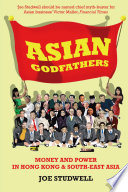
State capitalism is a complex and multifaceted phenomenon that has played a critical role in the economic development of many Asian countries. In his seminal work, "Asian Godfathers," journalist and author Joe Studwell provides a detailed examination of state capitalism in Asia, shedding light on the intricate relationship between business and politics in the region.
At its core, state capitalism refers to a system in which the state plays a significant role in the economy, often through the ownership or control of key industries. This is in contrast to a purely free-market system, in which the government plays a minimal role in the economy.
State capitalism is a highly relevant topic for college students to study, as it has significant implications for the global economy and for the future of business and politics in Asia. By understanding the dynamics of state capitalism, students can gain a deeper appreciation for the complexities of the Asian business landscape and the challenges and opportunities that it presents.
Examples of State Capitalism in Asia
-----------------------------------
One of the most prominent examples of state capitalism in Asia is China. In China, the state plays a dominant role in the economy, with the government owning or controlling many of the country's largest and most important industries. This has allowed the Chinese government to exert a significant degree of control over the economy, and has been a key factor in China's rapid economic growth over the past few decades.
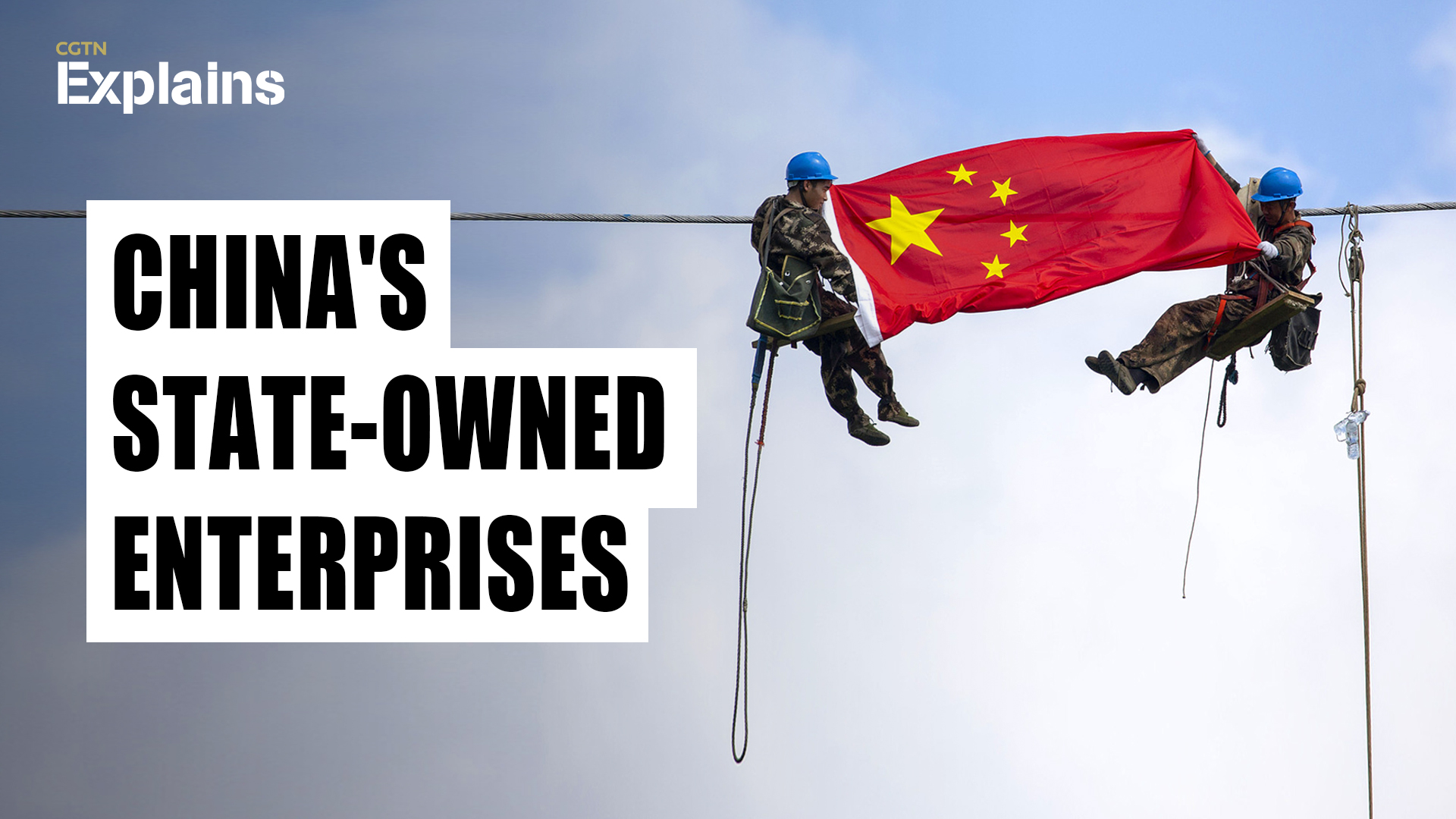
*China's state-owned enterprises*
Another example of state capitalism in Asia is Singapore. In Singapore, the government has long played a major role in the economy, with the state owning or controlling many key industries. This has helped Singapore to become one of the most prosperous and economically developed countries in the region.

*Singapore's economic model*
Implications of State Capitalism
-------------------------------
State capitalism has a number of important implications for the business and political landscape in Asia. For one, it can lead to the concentration of power and wealth in the hands of a small group of individuals or organizations. This can create a number of challenges, including the potential for corruption and the abuse of power.
At the same time, state capitalism can also provide a number of benefits. For example, it can allow governments to more easily coordinate economic development and to make long-term investments in key industries. Additionally, state capitalism can help to ensure that key industries remain under the control of domestic firms, rather than being dominated by foreign multinationals.

*Implications of state capitalism*
Further Exploration
--------------------
State capitalism is a complex and multifaceted topic, and there is much more to be said about its implications and applications. For those interested in learning more, there are a number of resources available for further exploration.
One option is to read additional works by Joe Studwell, such as his book "The China Dream," which provides a detailed examination of China's economic development and the role of state capitalism in shaping the country's future. Additionally, there are many other books and articles that explore the topic of state capitalism in Asia, providing a wealth of information and insights for those interested in learning more.
Conclusion
----------
In conclusion, state capitalism is a critical concept for college students to understand, as it has significant implications for the business and political landscape in Asia. By examining the examples of state capitalism in countries such as China and Singapore, students can gain a deeper appreciation for the complexities of the Asian business landscape and the challenges and opportunities that it presents. Through further exploration and study, students can continue to deepen their understanding of this important topic.
Last updated: 2024-03-20
Related Books
Related Knowledges