Regional Economic Integration: Understanding its Core Concepts, Practical Implications, and Key Examples from Asian Godfathers by Joe Studwell
==============================================================================================================================
Introduction
------------
Regional economic integration (REI) refers to the process of reducing barriers to trade, investment, and movement of people among countries in a particular region. REI can take various forms, such as free trade agreements, customs unions, and economic unions. The ultimate goal of REI is to promote economic growth, create jobs, and improve the overall well-being of people in the region.
[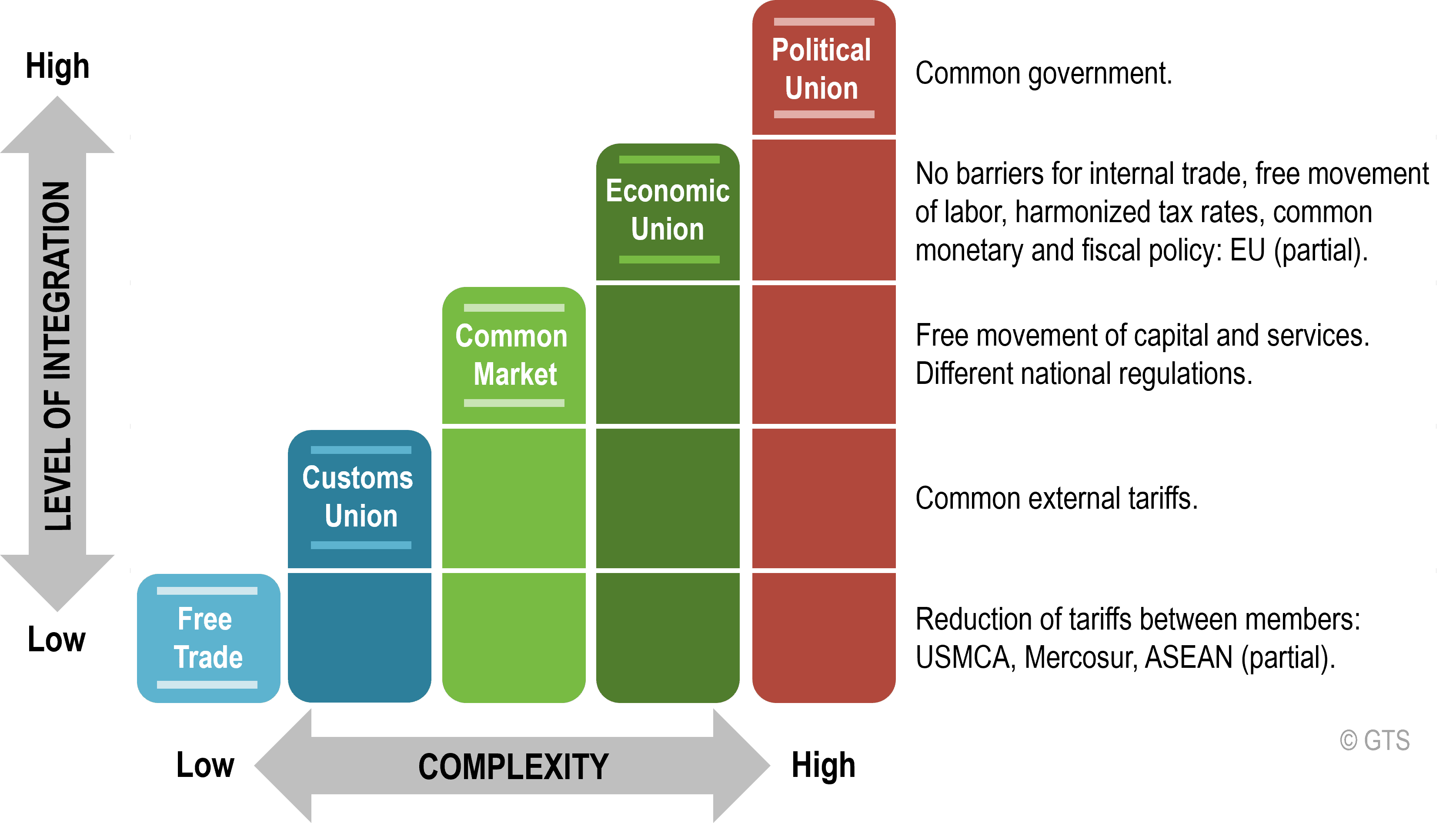](https://transportgeography.org/wp-content/uploads/levels_economic_integration.png)
*An overview of different forms of regional economic integration.*
In his book Asian Godfathers, Joe Studwell provides a detailed account of the economic development of East and Southeast Asian countries and the role of powerful business leaders, known as godfathers, in shaping their economies. The book offers valuable insights into the dynamics of REI and its impact on the region's economic development.
Core Concepts and Relevance
---------------------------
The core concepts of REI include trade liberalization, investment promotion, and economic cooperation. Trade liberalization involves reducing tariffs, quotas, and other trade barriers to promote the free flow of goods and services among countries. Investment promotion aims to attract foreign direct investment (FDI) by providing incentives and protections to foreign investors. Economic cooperation entails coordinating economic policies and regulations among countries to create a more integrated and cohesive regional economy.
[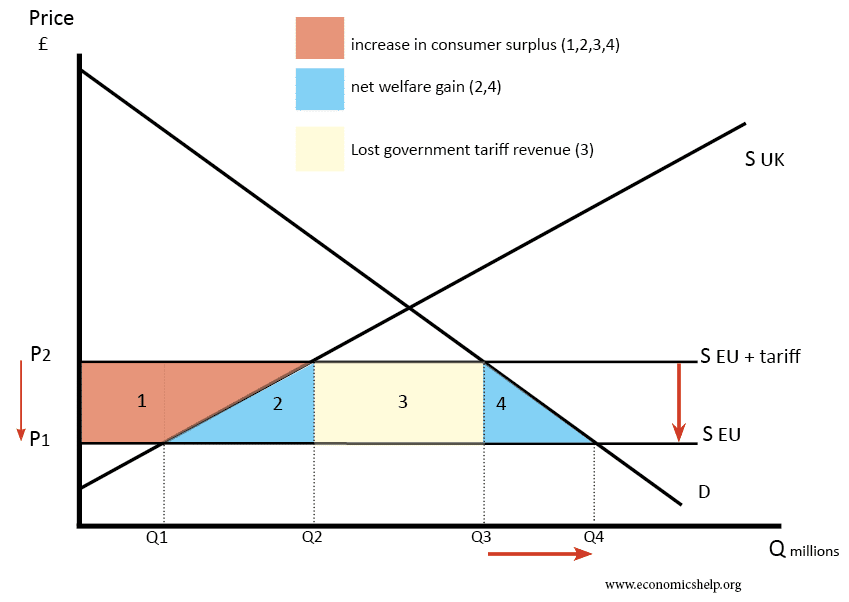](https://www.economicshelp.org/wp-content/uploads/2017/11/effect-of-cutting-tariffs-on-net-welfare.png)
*The role of trade liberalization in promoting free trade.*
REI is highly relevant to college students because it provides a framework for understanding the complex and dynamic relationships among countries in a region. By studying REI, students can gain a deeper understanding of the opportunities and challenges of globalization and its impact on businesses and societies.
Practical Implications and Examples
---------------------------------
One practical implication of REI is the creation of new markets and opportunities for businesses. For example, the Association of Southeast Asian Nations (ASEAN) has implemented the ASEAN Free Trade Area (AFTA) to reduce tariffs and promote trade among its member states. As a result, many companies have expanded their operations to other ASEAN countries, leading to increased sales, job creation, and economic growth.
[![PDF\] The impact of ASEAN-China free trade agreement on foreign ...](https://d3i71xaburhd42.cloudfront.net/ae27e46946c0be3eb92d0255f9c2f2f71aa62608/20-Figure1-1.png)](https://d3i71xaburhd42.cloudfront.net/ae27e46946c0be3eb92d0255f9c2f2f71aa62608/20-Figure1-1.png)
*The ASEAN Free Trade Area \(AFTA\) and its impact on businesses.*
Another practical implication of REI is the development of regional value chains (RVCs), which refer to the networks of activities and actors involved in the production and distribution of goods and services within a region. RVCs can create economies of scale, reduce transaction costs, and enhance competitiveness. For instance, the automotive industry in East Asia has developed a robust RVC, with companies such as Toyota, Honda, and Hyundai sourcing parts and components from various countries in the region.
[](https://www.digitimes.com/newsshow/20211221pd218_files/1_b.jpg)
*Example of a Regional Value Chain in the automotive industry.*
A key example of REI in Asian Godfathers is the role of Chinese godfathers in the economic development of Southeast Asia. According to Studwell, Chinese business leaders have played a crucial role in promoting trade and investment between China and ASEAN countries. For example, Robert Kuok, a Malaysian Chinese businessman, has built a vast business empire in palm oil, real estate, and hospitality, leveraging his connections and expertise to expand his operations across the region.
[](https://m.media-amazon.com/images/I/813nZWf+FWL._AC_UF1000,1000_QL80_.jpg)
*The influence of Chinese business leaders in Southeast Asia's economic development.*
Another example of REI in Asian Godfathers is the case of Singapore, a city-state that has pursued an active policy of REI since its independence in 1965. Singapore has signed free trade agreements with various countries and regions, including China, the United States, and the European Union. Moreover, Singapore has established itself as a regional hub for finance, logistics, and innovation, attracting FDI and talent from around the world.
Key Insights and Further Exploration
-----------------------------------
In conclusion, REI is a critical concept for understanding the dynamics of regional economies and their relationships with the global economy. By studying REI, college students can gain valuable insights into the opportunities and challenges of globalization and its impact on businesses and societies.
To further explore the topic of REI, students can conduct case studies of specific regions or industries and analyze the factors that contribute to their success or failure. Students can also examine the political, social, and cultural dimensions of REI and their impact on the implementation and outcomes of REI policies.
Moreover, students can explore the challenges and limitations of REI, such as the risks of protectionism, the uneven distribution of benefits, and the potential loss of sovereignty. By critically assessing the pros and cons of REI, students can develop a nuanced and balanced view of its role in promoting economic development and social welfare.
Last updated: 2024-03-20
Related Books
Related Knowledges