Government Role in the Economic Miracles of Asia
=================================================
In *Asian Godfathers*, Joe Studwell presents a compelling argument that the role of government is crucial in understanding the economic success of East Asian countries. This article will delve into the core concepts of the government's role in East Asian economies and provide real-world examples from Studwell's work to illustrate the practical implications of this relationship.
Core Concepts of Government Role
---------------------------------
Studwell highlights the importance of government intervention in promoting agriculture, protecting domestic industries, and managing the flow of foreign direct investment (FDI) in the early stages of economic development. These measures help create an enabling environment for growth and development, fostering the emergence of competitive businesses and industries.
### Agriculture
The government plays a crucial role in promoting agriculture through investment in rural infrastructure and research and development, thereby increasing agricultural productivity. This, in turn, lays the foundation for industrialization by providing a steady supply of food, raw materials, and a large domestic market.
[](https://m.media-amazon.com/images/I/51orF0sA0fL._AC_UF1000,1000_QL80_.jpg)
*Agricultural development in East Asia*
### Protectionism
Protectionist policies ensure the survival and growth of domestic industries in the face of competition from established foreign firms. By temporarily protecting domestic industries from external competition, governments enable them to mature and become competitive, thereby fostering long-term economic growth.
[](https://www.gfdrr.org/sites/default/files/2023-09/Screenshot%202023-09-19%20163358.png)
*Protectionist policies in Asia*
### Foreign Direct Investment (FDI)
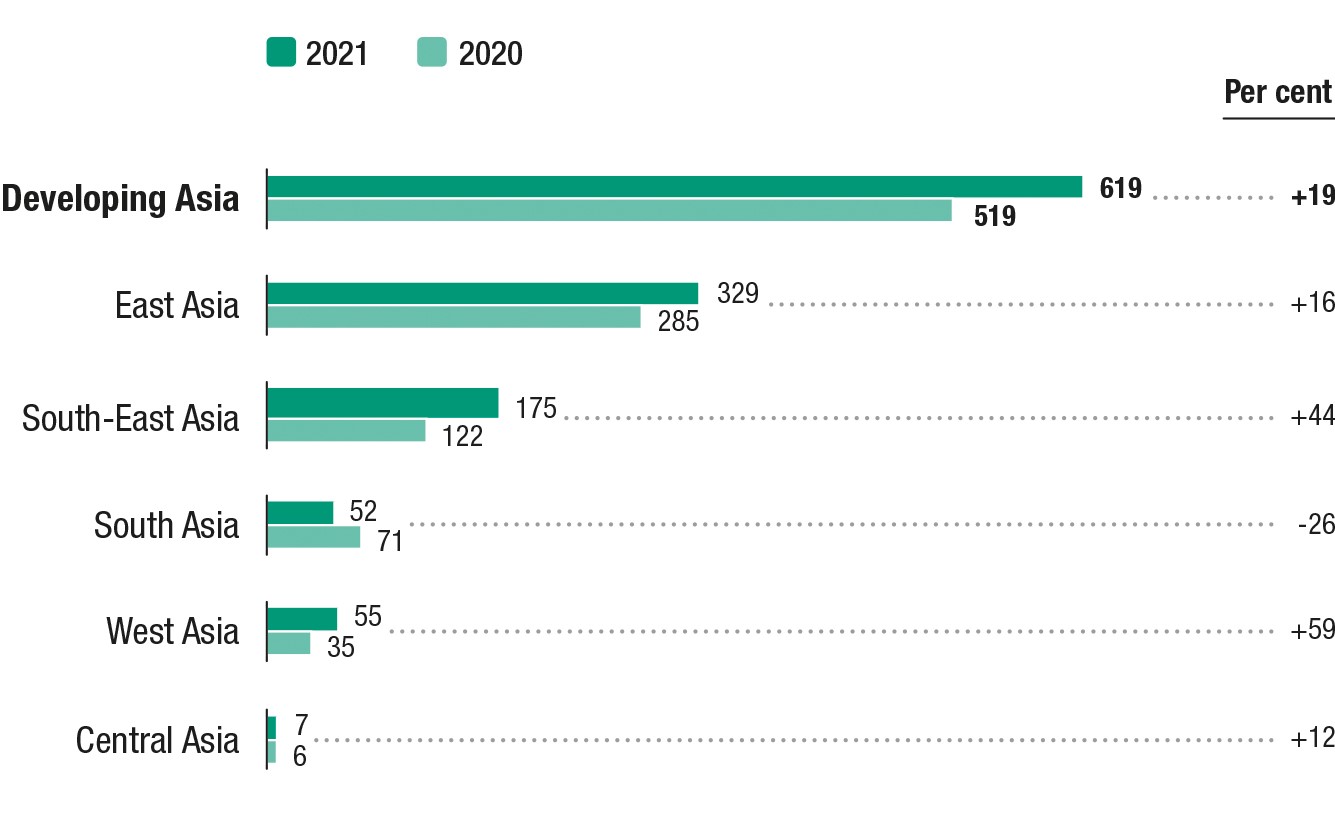
Effective government management of FDI is essential for economic development. By carefully selecting and controlling the influx of FDI, governments can promote the growth of domestic industries, avoid Dutch disease, and ensure technology transfer from foreign firms.
[](https://unctad.org/sites/default/files/inline-images/WIR2022-Developing-Asia-FDI-flows-figure-cropped.jpg)
*Managing FDI in East Asia*
Examples and Applications
-------------------------
### Taiwan and South Korea: A Success Story
Studwell credits Taiwan and South Korea's remarkable economic growth to strategic government intervention in the post-war era. By focusing on agriculture, promotion of key industries, and active management of FDI, Taiwan and South Korea were able to develop competitive industries and become economic powerhouses.
[](https://www.ft.com/__origami/service/image/v2/images/raw/https%3A%2F%2Fcms-image-bucket-production-ap-northeast-1-a7d2.s3.ap-northeast-1.amazonaws.com%2Fimages%2F_aliases%2Farticleimage%2F1%2F3%2F4%2F5%2F43525431-1-eng-GB%2Fjapan-falling-behind-taiwan-and-south-korea+%281%29.png?source=nar-cms)
*Economic growth Taiwan South Korea*
#### Agriculture
In both South Korea and Taiwan, the governments implemented land reforms and poured resources into the agricultural sector. By improving irrigation systems, developing high-yield crop varieties, and expanding agricultural education, these governments raised agricultural productivity, allowing for a growing population and increasing food supplies.
#### Protectionism
To protect their nascent industries, South Korea and Taiwan employed strict protectionist measures. For instance, South Korea imposed high tariffs on imports, and Taiwan heavily regulated foreign investment, limiting the entry of foreign firms into the domestic market.
#### FDI Management
Both governments carefully managed FDI to promote technology transfer and economic growth. South Korea focused on attracting FDI in select, labor-intensive industries. Taiwan restricted FDI access in strategic sectors while welcoming foreign investments in export-oriented industries.
### Malaysia: A Less Successful Story
While Malaysia achieved remarkable economic growth, it did not fully leverage the government's role in agriculture, protectionism, and FDI management, compared to Taiwan and South Korea.
[](https://www.worldbank.org/content/dam/photos/780x439/2017/jun/MY_Data_for_Development780x439.JPG)
*Malaysia economic development*
#### Agriculture
Malaysia did not prioritize agricultural development to the same extent as Taiwan and South Korea. While Malaysia's agricultural revolution did modernize the sector, it did not lay the foundation for industrialization like its neighbors.
#### Protectionism
Malaysia was less protectionist than Taiwan and South Korea, opting to liberalize its economy and allowing foreign companies greater access to local markets.
#### FDI Management
Malaysia's FDI policies did not effectively promote technology transfer or the growth of domestic industries. The emphasis on export-oriented, labor-intensive industries did not lead to the development of high-value activities.
Further Exploration
-------------------
To further explore the role of government in East Asian economic success, consider the following avenues:
* Compare Japan and China's experiences with government intervention and industrial policy, as they provide alternative perspectives on the role of government.
* Examine the challenges faced by late developers, such as Thailand, Indonesia, and the Philippines in emulating the success of Taiwan and South Korea.
* Investigate the evolution of the role of government in East Asia and consider the potential implications of changing political-economic landscapes on the future of these economies.
Conclusion
----------
By examining the examples of Taiwan, South Korea, and Malaysia, we can see that government intervention in agriculture, protectionism, and FDI management significantly impacts economic growth. These interventions can create conditions that promote the growth of competitive industries and the development of high-value economic activities. Understanding the role of government in economic success provides college students with deep insights into policymaking and the complex process of economic development.
Last updated: 2024-04-18
Related Books
Related Knowledges