### Inefficient Markets: Unleashing the Hidden Wealth of Nations
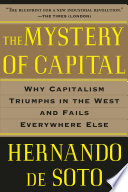
In "The Mystery of Capital," Hernando de Soto explores the paradox of why certain countries remain mired in poverty despite an abundance of resources and labor. One of the central concepts in de Soto's work is the idea of inefficient markets, which hinders the transformation of assets into capital. In this comprehensive guide, we will delve into the core concepts, practical implications, and potential solutions related to inefficient markets.
[](https://m.media-amazon.com/images/I/71CpGFnrNeL._AC_UF1000,1000_QL80_.jpg)
*Cover of 'The Mystery of Capital' by Hernando de Soto*
#### Core Concepts
Inefficient markets refer to the inability of individuals and businesses in certain countries to utilize their assets effectively due to legal and institutional barriers. De Soto highlights that in developed countries, assets can be converted into capital with relative ease, thanks to clear property rights, efficient bureaucracies, and well-functioning financial systems. However, in many developing countries, people face significant challenges in converting their assets into capital due to the following factors:
1. **Unclear property rights:** In many developing countries, people lack legal documentation for their land and properties, making it difficult to use these assets as collateral for loans or engage in productive economic activities.
2. **Inefficient bureaucracies:** Complex and corrupt bureaucratic systems often prevent individuals and businesses from obtaining the necessary permits, licenses, and registrations to participate in the formal economy.
3. **Inadequate financial systems:** Limited access to financial services and credit, coupled with a lack of transparency and regulation, hinders the ability of individuals and businesses to invest, grow, and innovate.
[](https://rightsandresources.org/wp-content/uploads/Press-Release-Sept-3-2015-Land-and-Investment-Risk-11-1.png)
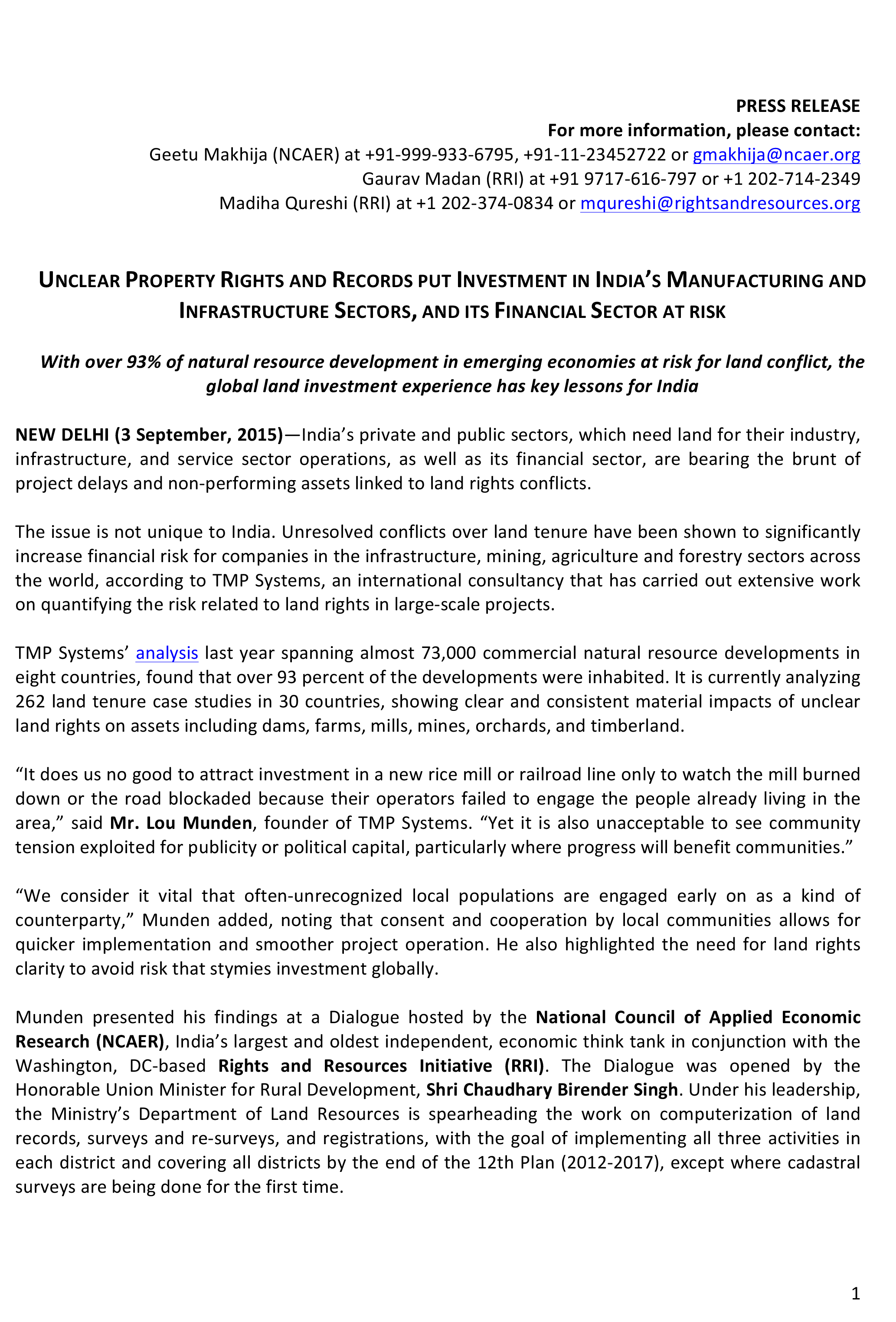
*Challenges of Unclear Property Rights in Developing Countries*
#### Practical Implications
Inefficient markets have severe consequences for economic development and poverty reduction. When people cannot convert their assets into capital, they are unable to invest in their businesses, education, and health. This, in turn, perpetuates cycles of poverty and hampers economic growth.
*Example 1: Informal Economy in Lima, Peru*
De Soto's groundbreaking research in Lima, Peru, revealed that the city's informal sector accounted for approximately half of the city's economic output. Despite controlling valuable assets such as land and buildings, the majority of informal businesses lacked clear property rights and access to formal financial services. As a result, these businesses were unable to expand, innovate, or access the credit necessary for growth.
[](https://c8.alamy.com/comp/2BETDYJ/lima-peru-man-working-in-small-tile-factory-in-lima-shanty-town-informal-economic-sector-2BETDYJ.jpg)
*Informal Economy in Lima, Peru*
*Example 2: Women Entrepreneurs in Africa*
In many African countries, women face significant challenges in accessing finance due to legal and cultural barriers. According to the World Bank, women in Sub-Saharan Africa are 20% less likely than men to have a bank account. Despite controlling significantassets, such as land and property, women often struggle to access credit and other financial services, which limits their ability to invest in their businesses and support their families.
[](https://media.licdn.com/dms/image/D4D12AQFxMFMuNDmjAw/article-cover_image-shrink_720_1280/0/1689007252582?e=2147483647&v=beta&t=ppVLFhA1PeXGBGS7wmmu8fK894n1yD2Ma-pVMIFkxk0)
*Challenges Faced by Women Entrepreneurs in Africa*
#### Solutions and Further Exploration
Addressing inefficient markets requires a multi-faceted approach that tackles issues related to property rights, bureaucratic reform, and financial inclusion. Potential solutions include:
1. **Strengthening property rights:** Implementing transparent land registration systems and providing legal documentation can help individuals and businesses leverage their assets for economic growth.
2. **Streamlining bureaucratic processes:** Simplifying regulatory frameworks, reducing corruption, and improving transparency can facilitate participation in the formal economy.
3. **Enhancing financial inclusion:** Encouraging the development of alternative financial services such as mobile banking, microfinance, and crowdfunding platforms can provide greater access to credit and financial services for underserved populations.
[](https://risk.lexisnexis.com/global/-/media/images/lnrs/content/infographic/600x570%20financial%20inclusion%20in%20high-risk%20areas%20ig.jpg?h=570&iar=0&w=600&hash=E970469A339AA01608AF2FD492A9E4AF)
*Solutions for Enhancing Financial Inclusion*
In conclusion, the concept of inefficient markets, as presented in "The Mystery of Capital," offers valuable insights into the challenges facing many developing countries. By understanding the barriers that prevent individuals and businesses from converting assets into capital, we can develop targeted solutions aimed at promoting economic growth and poverty reduction. Further exploration of this topic can include studying successful examples of reforms in countries such as Chile, Rwanda, and Colombia, as well as examining emerging trends in financial technology and digital innovation in developing economies.
Last updated: 2024-06-23
Related Books
Related Knowledges