# The Urgency of Legal Reforms: Unleashing the Potential of Dead Capital
## Introduction
In *The Mystery of Capital*, Hernando De Soto, a Peruvian economist, highlights the paradox that while developing countries have an abundance of resources, the majority of these assets remain "dead capital"-resources that cannot be easily traded, cannot be used as collateral for loans, and thus, remain underutilized. This "dead capital" is primarily due to inadequate property rights, which prevents people from fully utilizing and benefiting from their assets.
The urgency of legal reforms lies in the need to address the vast disparities in wealth and opportunities between developed and developing countries- countries where assets can be effectively utilized and contribute to economic growth. Legal reforms, particularly those that enhance property rights and promote the rule of law, have the potential to unlock the trillions of dollars of dead capital harbored in developing countries. To understand the relevance and urgency of legal reforms, let's examine two examples showcasing their practical implications.
## Legal Reforms and Access to Mortgages
In many developing countries, people often live in informal settlements with insecure land tenure. Informal settlements refer to residential areas that grew organically, beyond the control of urban planning and usually without formal property titles. As a result, the residents cannot use their properties as collateral and thus cannot access formal credit markets such as mortgages. As De Soto notes, access to mortgages could bring significant changes to the lives of millions, allowing them to invest in their homes, businesses, and education.
[](https://unstats.un.org/sdgs/report/2019/img/Goal_11.jpg)
*Informal settlements in developing countries*
Let's illustrate this with an example from Thailand. In the late 1990s, the Thai government initiated a program called the "Land Titling Project" to provide land titles to people living in informal settlements. The program aimed at securing property rights, enabling residents to access formal credit markets, and thus fostering economic growth. As a result, approximately 5.7 million titles were issued, benefiting around 22 million people. Access to formal credit markets increased, and the residents of informal settlements experienced improvements in their living conditions and economic opportunities. Thailand's example demonstrates the transformative power of securing property rights and the positive impact of legal reforms in unlocking dead capital.
## Legal Reforms and Ease of Doing Business
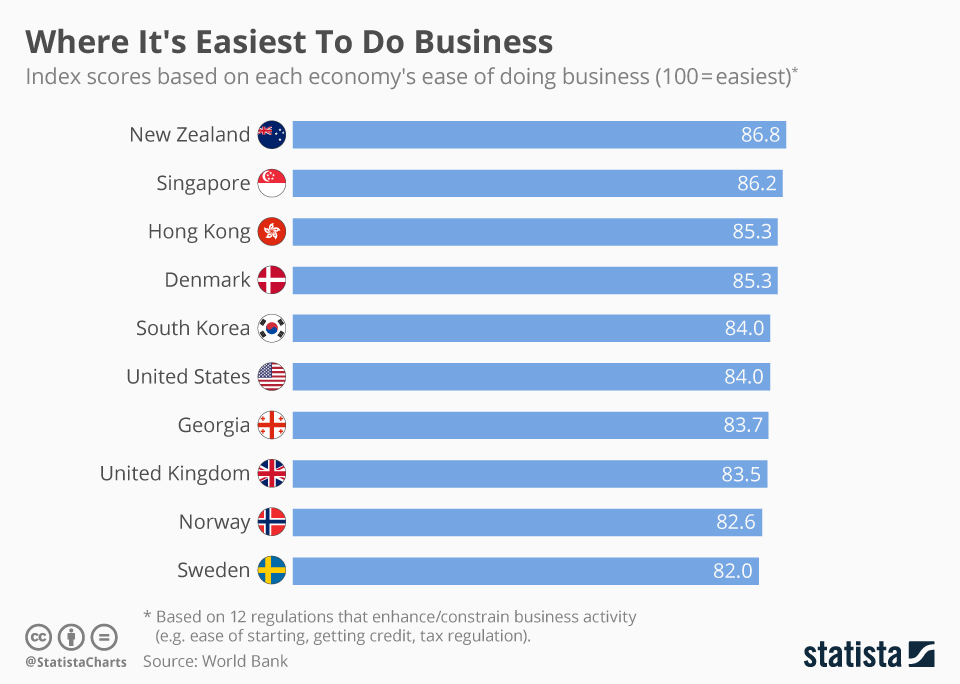
Another example of the urgency of legal reforms can be seen in the context of the ease of doing business. Developing countries often suffer from bureaucratic red tape, complex regulations, and corruption, making it difficult for entrepreneurs to start or grow their businesses. De Soto argues that streamlining regulations, reducing bureaucracy, and ensuring the rule of law are essential for fostering entrepreneurship and economic growth.
Consider, for instance, the case of Rwanda-a country that has implemented significant legal reforms to improve the business environment and attract foreign investment. Over the past decade, Rwanda has made substantial progress in areas such as starting a business, protecting minority investors, and enforcing contracts-raising its global ranking in the Ease of Doing Business index from 143rd in 2009 to 38th in 2020. The government's efforts to cut red tape and improve the overall investment climate have contributed to the growth of the private sector and increased foreign direct investment (FDI). Rwanda's experience highlights the potential positive outcomes of legal reforms aimed at enhancing the ease of doing business.
[](http://cdn.statcdn.com/Infographic/images/normal/19763.jpeg)
*Ease of doing business ranking changes*
## Conclusion
The urgency of legal reforms, as highlighted by Hernando De Soto in *The Mystery of Capital*, cannot be overstated. Legal reforms have the potential to unleash massive amounts of dead capital, improve living conditions, and foster economic growth. Through examples from Thailand's land titling project and Rwanda's ease of doing business reforms, this educational content has illustrated the transformative power of legal reforms and their ability to unlock the potential of dead capital.
For further exploration, students can engage in the following activities:
1. Research other case studies of legal reforms aimed at enhancing property rights and the ease of doing business (e.g., Peru, Colombia, or Georgia).
2. Examine the challenges and limitations encountered by countries that have implemented legal reforms.
3. Investigate the interplay between legal reforms and socio-economic factors such as gender, poverty, and corruption.
By undertaking these activities, students can deepen their understanding of the urgency of legal reforms, the potential for economic growth, and the complexity of addressing dead capital.
Last updated: 2024-06-23
Related Books
Related Knowledges