# Untapped Resources: Unleashing the Hidden Wealth of Nations through Formality
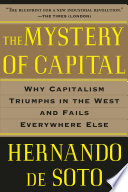
*The Mystery of Capital*, a groundbreaking book by Hernando De Soto, sheds light on the hidden wealth that lies dormant in developing and underdeveloped countries. This vast wealth is embodied in the informal property, businesses, and skills of people who have not been able to formalize their assets. De Soto demonstrates that gaining access to this untapped capital is crucial for economic growth and poverty alleviation. The concept of untapped resources and the process of formalization have profound implications for college students aiming to deepen their understanding of global economic development. In this overview, we will examine the core concepts, delve into diverse examples and applications, and conclude with key insights and further exploration suggestions.
## The Core Concepts of Untapped Resources
[](https://www.worldbank.org/content/dam/photos/780x439/2021/nov-1/social-protection-for-the-informal-economy-operational-lessons-for-developing-countries-in-africa-and-beyond-780x439.jpg)
*Informal economy in developing countries*
*Untapped resources* refer to the unrealized economic potential of informal assets, businesses, and skills present in developing and underdeveloped countries. According to De Soto, these countries' property, assets, and businesses remain largely unrecognized by the formal legal system, making it difficult for their citizens to use them as collateral for loans or participate in the mainstream economy. He argues that if these resources were to be formalized and integrated into the formal economic system, it would result in a massive increase in available capital for investment, economic growth, and poverty reduction.
De Soto presents the concept of *formalization* as the process through which informal assets, businesses, and skills are recognized, regulated, and integrated into the formal economic system. This process typically involves:
1. **Documentation**: Establishing clear, legally-recognized ownership and documentation for properties and assets.
2. **Regulation**: Complying with the laws and regulations governing businesses, property, and other assets.
3. **Integration**: Connecting the formalized assets and businesses to the financial system, enabling access to credit, investment, and economic opportunities.
[](https://www.land-links.org/wp-content/uploads/2018/06/urban-summary-definitions.png)
*The process of property title formalization*
## Diverse Examples and Applications of Untapped Resources
Throughout *The Mystery of Capital*, De Soto offers several compelling examples of untapped resources and the process of formalization. Two notable examples of this phenomenon are Peru's informal housing and Egypt's unofficial businesses.
### Peru's Informal Housing
In Peru, an estimated 80% of the population resides in informal housing. These residents often lack formal property titles or legal recognition for their homes. As a result, people living in informal housing cannot use their properties as collateral for loans or sell them at fair market value. Consequently, their wealth remains untapped, resulting in a significant missed opportunity for both the individuals and the broader economy.
[](https://www.design.iastate.edu/wp-content/uploads/2023/10/Informal-Settlement-in-Peru.jpg)
*Informal housing in Peru*
De Soto's Institute for Liberty and Democracy (ILD) led a successful effort to formalize these properties by streamlining the titling process. By providing legal documentation, the Peruvian government recognized the property rights of millions of people living in informal housing. This formalization process enabled homeowners to access credit, invest in their properties, and participate in the mainstream economy. As of 2014, the ILD's efforts resulted in over 1.2 million property titles being issued, with an estimated $30 billion in untapped capital being released into Peru's economy.
### Egypt's Unofficial Businesses
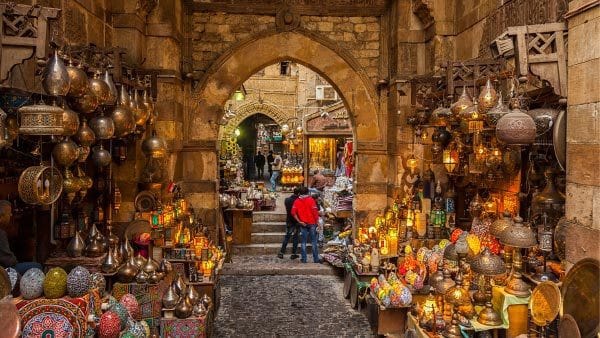
De Soto's research also highlighted the significant potential of Egypt's unofficial, or *informal*, businesses. In Egypt, a staggering 90% of enterprises operate informally, without registering or adhering to the legal and regulatory requirements. While these businesses create jobs and contribute to the economy, their informal status denies them access to formal financial services, such as loans and credit facilities.
By formalizing these enterprises, the Egyptian government could enable them to access the formal financial system, invest in growth, and create more job opportunities. To illustrate the potential impact of formalization, the ILD calculated that if Egypt's informal enterprises were formalized, they could potentially unlock approximately $245 billion in capital for investment and growth.
[](https://www.pwc.com/m1/en/publications/images/market-cover.jpg)
*Informal businesses in Egypt*
## Conclusion: Key Insights and Further Exploration
De Soto's concept of untapped resources highlights the immense economic potential hidden in the informal assets, businesses, and skills in developing and underdeveloped countries. By formalizing these resources, nations can unlock significant capital for investment, economic growth, and poverty reduction. The following key insights and further exploration suggestions can help interested students deepen their understanding of the topic:
### Key Insights
1. **Untapped resources**: Informal assets, businesses, and skills in developing and underdeveloped countries represent a vast but untapped source of wealth and economic potential.
2. **Formalization**: The process of recognizing, regulating, and integrating informal assets and businesses into the formal economic system can release substantial capital for investment, growth, and poverty reduction.
3. **Examples and applications**: Peru's informal housing and Egypt's unofficial businesses serve as powerful examples of the transformative potential of formalization, showcasing the economic benefits of acknowledging and integrating informal assets and enterprises.
### Further Exploration
1. **Case studies**: Investigate other case studies of formalization efforts in developing countries, such as Brazil's Bolsa Família program or Rwanda's Vision 2020 Umurenge Programme.
2. **Policy implications**: Analyze the policy implications of formalization, including potential barriers to implementation and strategies for effective formalization within various socio-economic contexts.
3. **The role of technology**: Examine the potential role of technology, such as blockchain and smart contracts, in enhancing the formalization process and promoting transparency, security, and efficiency.
4. **Sustainable development goals (SDGs)**: Connect the concept of untapped resources to the United Nations' Sustainable Development Goals (SDGs), particularly SDG 8 (Decent Work and Economic Growth), SDG 9 (Industry, Innovation and Infrastructure), and SDG 11 (Sustainable Cities and Communities).
5. **Regional comparisons**: Explore regional differences in the formalization process and challenges, comparing countries in Latin America, Africa, and Asia and identifying best practices and effective strategies for formalization.
In conclusion, the concept of untapped resources and the process of formalization, as outlined by Hernando De Soto in *The Mystery of Capital*, offer a thought-provoking and compelling perspective on the economic potential of developing and underdeveloped countries. By delving deeper into this topic, college students can gain a more nuanced understanding of the issues and opportunities for promoting economic growth, poverty reduction, and sustainable development.
Last updated: 2024-06-23
Related Books
Related Knowledges