Market Volatility: A Comprehensive Examination of its Core Concepts, Practical Implications, and Key Insights
======================================================================================================
Introduction
------------
In the dynamic world of finance and economics, market volatility is an inherent characteristic that investors, regulators, and policymakers must grapple with. At its core, market volatility refers to the statistical measure of the dispersion of returns for a given security or market index. It is often measured by the standard deviation or variance between returns. In simpler terms, it is a gauge of the range and frequency of price fluctuations in a market.
Market volatility is a crucial concept in finance as it helps investors and stakeholders to assess and manage risk. Moreover, it is a critical factor in pricing options and other derivatives, as well as in portfolio management and asset allocation. In this comprehensive examination of market volatility, we will delve into its core concepts, practical implications, and key insights, drawing on lessons from the book "Too Big to Fail" by Andrew Ross Sorkin.
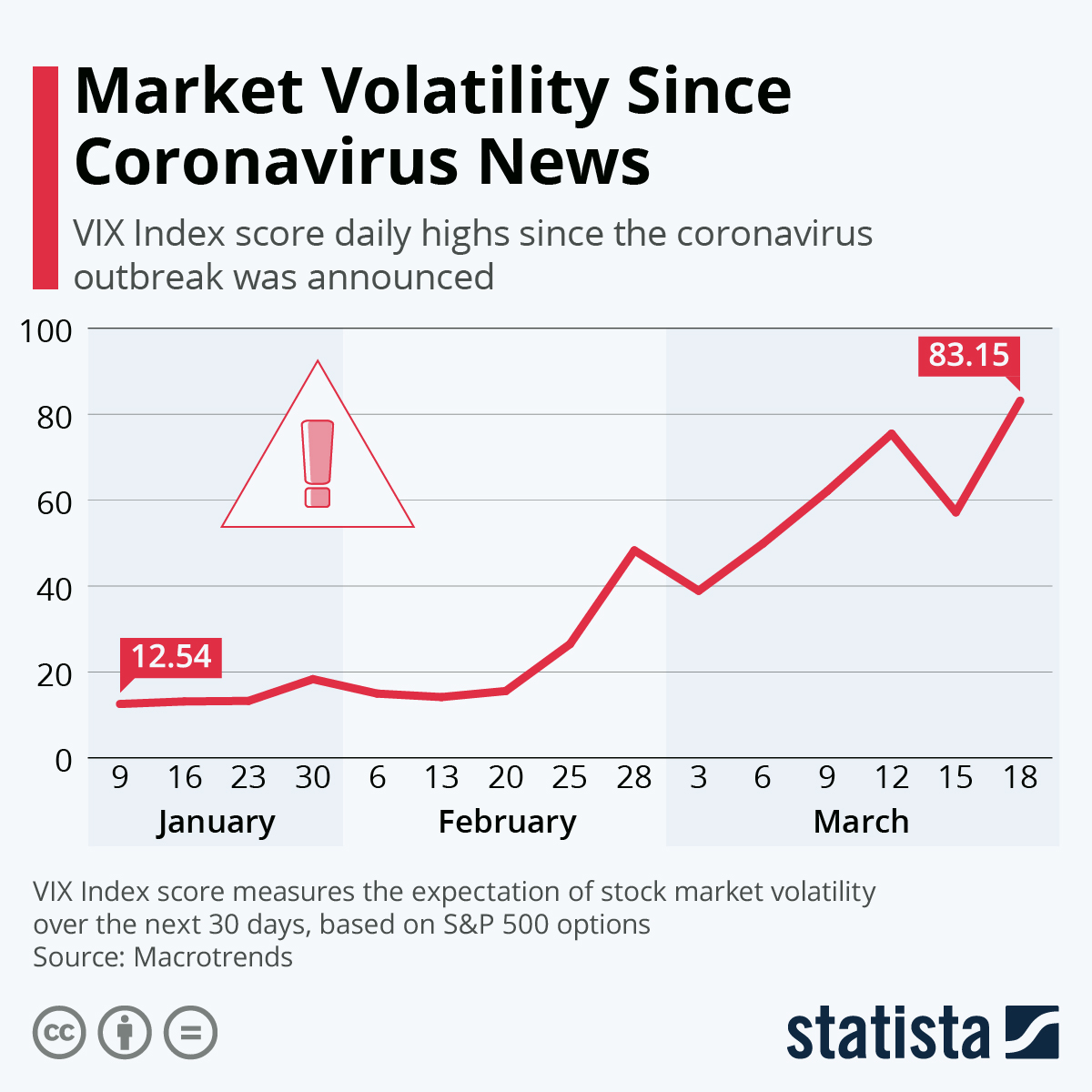
*Graph showing market volatility over time*
Understanding Market Volatility: Core Concepts
--------------------------------------------
Market volatility is a multifaceted phenomenon that can be driven by various factors, both endogenous and exogenous. These factors include:
1. **Economic fundamentals:** Factors such as GDP growth, inflation, unemployment, and interest rates can significantly impact market volatility. For instance, unexpected changes in monetary policy can lead to sharp movements in asset prices.
2. **Geopolitical events:** Events such as elections, wars, and policy changes can trigger market volatility, as investors react to new information and reassess their risk exposure.
3. **Market sentiment:** Investor psychology and sentiment can play a significant role in driving market volatility. For example, fear and greed can lead to herd behavior, resulting in asset price bubbles and subsequent crashes.
4. **Liquidity:** Market liquidity, or the ease with which assets can be bought or sold without affecting their prices, is another critical factor in market volatility. Low liquidity can exacerbate price swings, while high liquidity can dampen volatility.

*Factors affecting market volatility*
Practical Implications: Examples and Applications
----------------------------------------------
To illustrate the practical implications of market volatility, we can draw on examples from "Too Big to Fail," which provides a detailed account of the 2008 financial crisis.
### Example 1: The Lehman Brothers Bankruptcy
The bankruptcy of Lehman Brothers, a prominent investment bank, on September 15, 2008, is a prime example of how market volatility can be triggered by a sudden, unexpected event. In the days leading up to Lehman's collapse, market participants were anxiously monitoring the bank's financial health, as rumors of its deteriorating financial condition swirled. As the news of Lehman's bankruptcy broke, global financial markets plunged, with the Dow Jones Industrial Average dropping over 500 points, or 4.4%, in a single day.

*Illustration of Lehman Brothers bankruptcy and its impact on market volatility*
This example underscores the importance of monitoring and managing market volatility, particularly in times of financial stress. Regulators and market participants must be vigilant in identifying and addressing potential sources of instability, such as excessive leverage, risk concentration, and interconnectedness.
### Example 2: The AIG Bailout
Another example from "Too Big to Fail" that highlights the practical implications of market volatility is the government's decision to bail out American International Group (AIG), a multinational insurance conglomerate. Following Lehman's collapse, AIG faced a severe liquidity crunch as its creditors demanded collateral to cover potential losses. The U.S. government, fearing the potential contagion effects of an AIG bankruptcy, stepped in with an $85 billion rescue package.

*Illustration of the AIG bailout and market dynamics*
This example illustrates the critical role that market volatility can play in shaping government policy and regulatory responses. In times of financial turmoil, policymakers must balance the need to maintain financial stability with the potential moral hazard implications of government intervention.
Key Insights and Further Exploration
-----------------------------------
In conclusion, market volatility is a complex and multifaceted phenomenon that has significant implications for investors, regulators, and policymakers. By understanding its core concepts and practical implications, stakeholders can better manage risk, price assets, and allocate capital.
To further explore the topic of market volatility, students may consider the following avenues:
1. **Historical case studies:** Analyzing past financial crises, such as the 1929 Great Depression, the 1987 Black Monday, and the 2000 Dot-Com Bubble, can provide valuable insights into the drivers and consequences of market volatility.
2. **Behavioral finance:** Examining the role of investor psychology and sentiment in shaping market volatility can shed light on the importance of cognitive biases, herd behavior, and other behavioral factors.
3. **Risk management and derivatives:** Investigating the use of risk management techniques, such as options, swaps, and futures, can help students understand how market participants can hedge against and profit from market volatility.
4. **Financial regulation and policy:** Exploring the role of financial regulation and policy in managing market volatility can provide a deeper understanding of the trade-offs between financial stability, market efficiency, and innovation.
By delving deeper into these and other aspects of market volatility, students can develop a more nuanced understanding of this critical concept and its implications for the broader financial system.
Last updated: 2024-03-19
Related Books

Related Knowledges