Inequality Worsens: Understanding the Escalating Divide in Wealth and Opportunity
=============================================================================
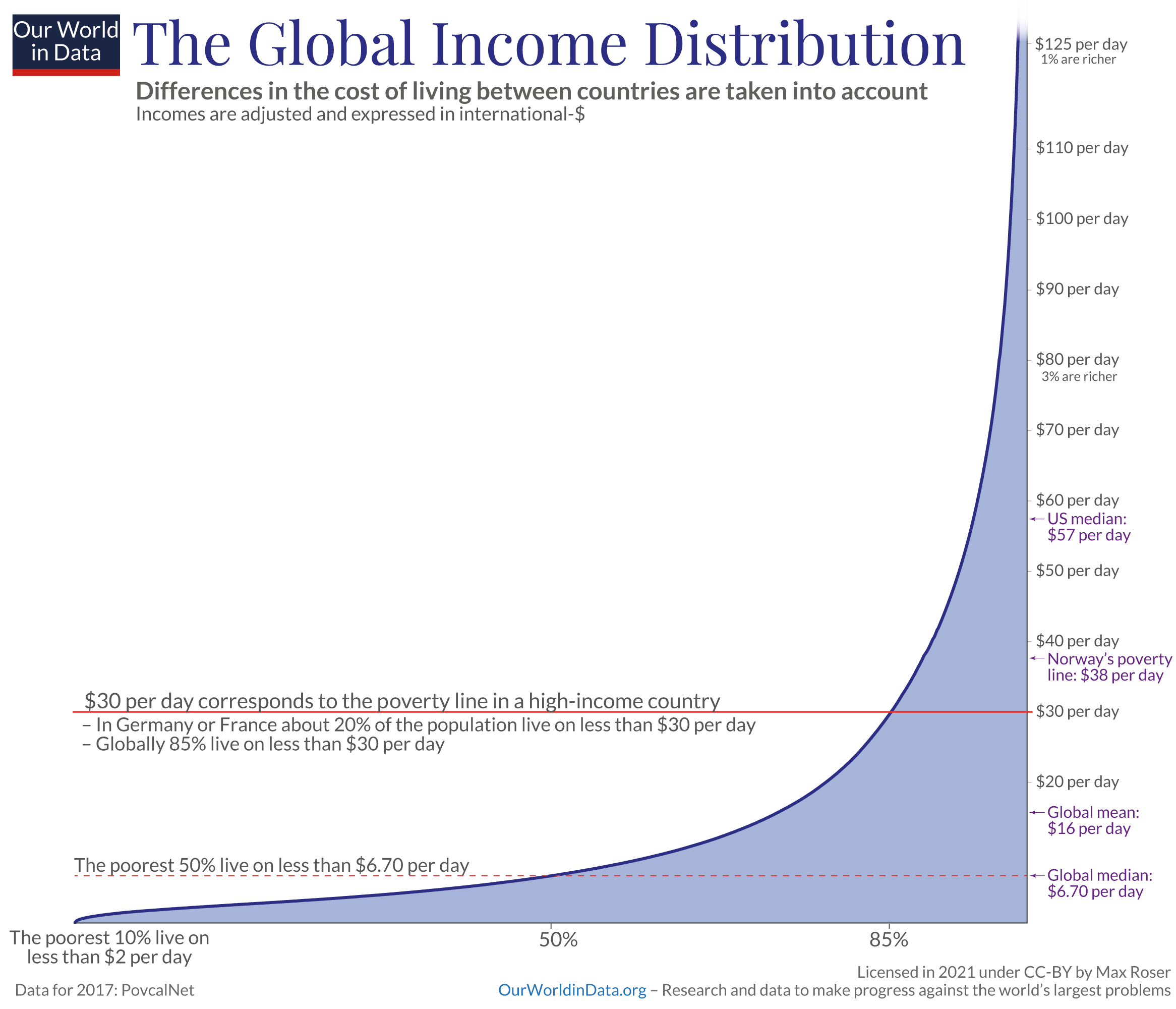
*Global economic inequality is a pressing issue that has garnered significant attention.*
In the contemporary world, economic inequality has become a pressing issue that has garnered significant attention from policymakers, scholars, and the general public. The book "Too Big to Fail" by Andrew Ross Sorkin sheds light on the financial crisis of 2008 and the role of income and wealth disparities in exacerbating the crisis. This educational content will delve into the knowledge point 'Inequality Worsens' by exploring its core concepts, real-world examples, and implications.
Core Concepts and Relevance
----------------------------
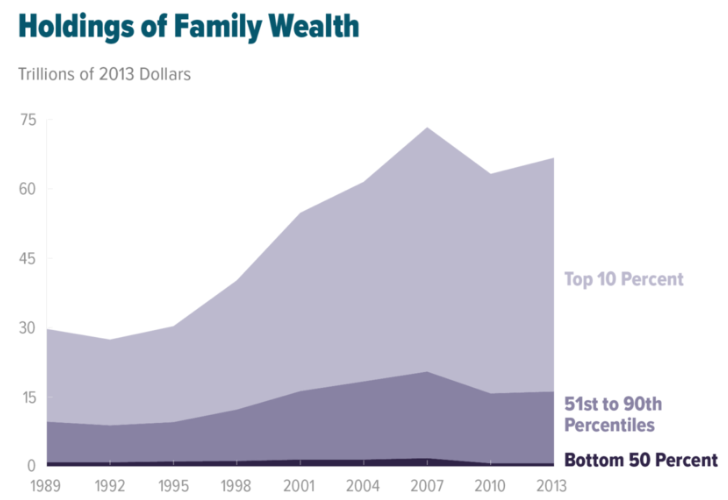
*The gap between the rich and the poor has been widening both within and between countries.*
Economic inequality refers to the unequal distribution of income and wealth across a population. In recent decades, the gap between the rich and the poor has been widening both within and between countries. The knowledge point 'Inequality Worsens' highlights the negative consequences of this growing divide, including its impact on economic stability, social cohesion, and political institutions.
The escalating income and wealth disparities have significant implications for the overall health of the economy. For instance, when a substantial portion of the nation's wealth is concentrated in the hands of a few, it can lead to underinvestment in critical areas such as education, infrastructure, and research and development. Consequently, this can hinder long-term economic growth and prosperity.
Real-World Examples and Applications
----------------------------------

*The 2008 financial crisis is a compelling example of how inequality can worsen and contribute to economic instability.*
### The 2008 Financial Crisis
The 2008 financial crisis provides a compelling example of how inequality can worsen and contribute to economic instability. In "Too Big to Fail," Sorkin illustrates how the deregulation of the financial sector and the proliferation of complex financial instruments, such as mortgage-backed securities, led to the concentration of wealth and power in the hands of a few large financial institutions. These institutions, in turn, engaged in risky lending practices and speculative investments that ultimately triggered the crisis.
The crisis exposed the vulnerabilities of an economic system that allowed a small group of financiers to amass enormous wealth and influence while leaving behind the majority of the population. The consequences of the crisis, including widespread job losses, home foreclosures, and a sluggish recovery, disproportionately affected lower- and middle-income households.
### The Impact of Inequality on Social Cohesion

*The "yellow vest" movement in France evolved into a broader backlash against economic inequality.*
The worsening income and wealth disparities can also have detrimental effects on social cohesion. When a significant portion of the population perceives that the economic system is rigged against them, it can lead to social unrest, political polarization, and the erosion of trust in institutions.
For instance, the "yellow vest" movement in France, which began as a protest against fuel taxes, quickly evolved into a broader backlash against economic inequality and the perceived indifference of the political elite. Similarly, in the United States, the Occupy Wall Street movement highlighted the growing divide between the "1%" and the "99%" and called for greater economic equality and social justice.
Implications and Further Exploration
-----------------------------------

*Promoting inclusive growth is crucial for addressing economic inequality.*
The knowledge point 'Inequality Worsens' carries significant implications for policymakers, business leaders, and civil society. Addressing economic inequality requires a multifaceted approach that includes:
1. **Strengthening regulation and oversight of the financial sector:** Policymakers must ensure that financial institutions are subject to robust regulation and oversight to prevent the concentration of wealth and power and minimize the risk of financial crises.
2. **Promoting inclusive growth:** Business leaders and policymakers must prioritize policies and practices that foster inclusive growth, such as investing in education and skills training, promoting entrepreneurship, and creating opportunities for underrepresented groups.
3. **Strengthening social safety nets:** Governments must ensure that social safety nets are in place to protect the most vulnerable members of society from the adverse effects of economic shocks and market fluctuations.
4. **Fostering social cohesion:** Policymakers and civil society must work together to address the social and political consequences of economic inequality by promoting dialogue, understanding, and compromise.
In conclusion, the knowledge point 'Inequality Worsens' highlights the urgent need to address the growing divide in wealth and opportunity. By understanding the core concepts, real-world examples, and implications of economic inequality, college students can contribute to the development of innovative solutions that foster a more equitable and sustainable economic system.
Last updated: 2024-03-19
Related Books

Related Knowledges