Positive Utopianism: Achieving Progress Through Critical Rationalism
=================================================================
[](https://upload.wikimedia.org/wikipedia/commons/8/82/Photo_of_Karl_Popper.jpg)
*Karl Popper*
In *The Open Society and Its Enemies*, philosopher Karl Popper introduces the concept of 'Positive Utopianism' as a means of fostering social progress while avoiding the potential dangers of ideological dogmatism. This idea is deeply rooted in Popper's philosophy of critical rationalism, which emphasizes the importance of fallibilism, piecemeal engineering, and open society values.
Core Concepts and Relevance
---------------------------
Positive Utopianism is a proactive, open-ended approach to social improvement that focuses on addressing specific problems rather than implementing grand, preconceived designs. It is characterized by the following core concepts:
1. **Fallibilism**: Recognizing that human knowledge is inherently imperfect and subject to revision.
2. **Piecemeal Engineering**: Implementing gradual, localized changes based on empirical evidence and continuous feedback.
3. **Open Society Values**: Encouraging critical discussion, individual freedom, and institutional checks and balances.
[](https://i1.rgstatic.net/publication/323938223_The_open_society_What_does_it_really_mean/links/5ac874b34585151e80a5603e/largepreview.png)
*Open Society Values*
Positive Utopianism is particularly relevant in today's complex and rapidly changing world, as it offers a balanced and adaptive framework for addressing pressing social, economic, and political challenges.
Examples and Applications
------------------------
### 1. Education Reform
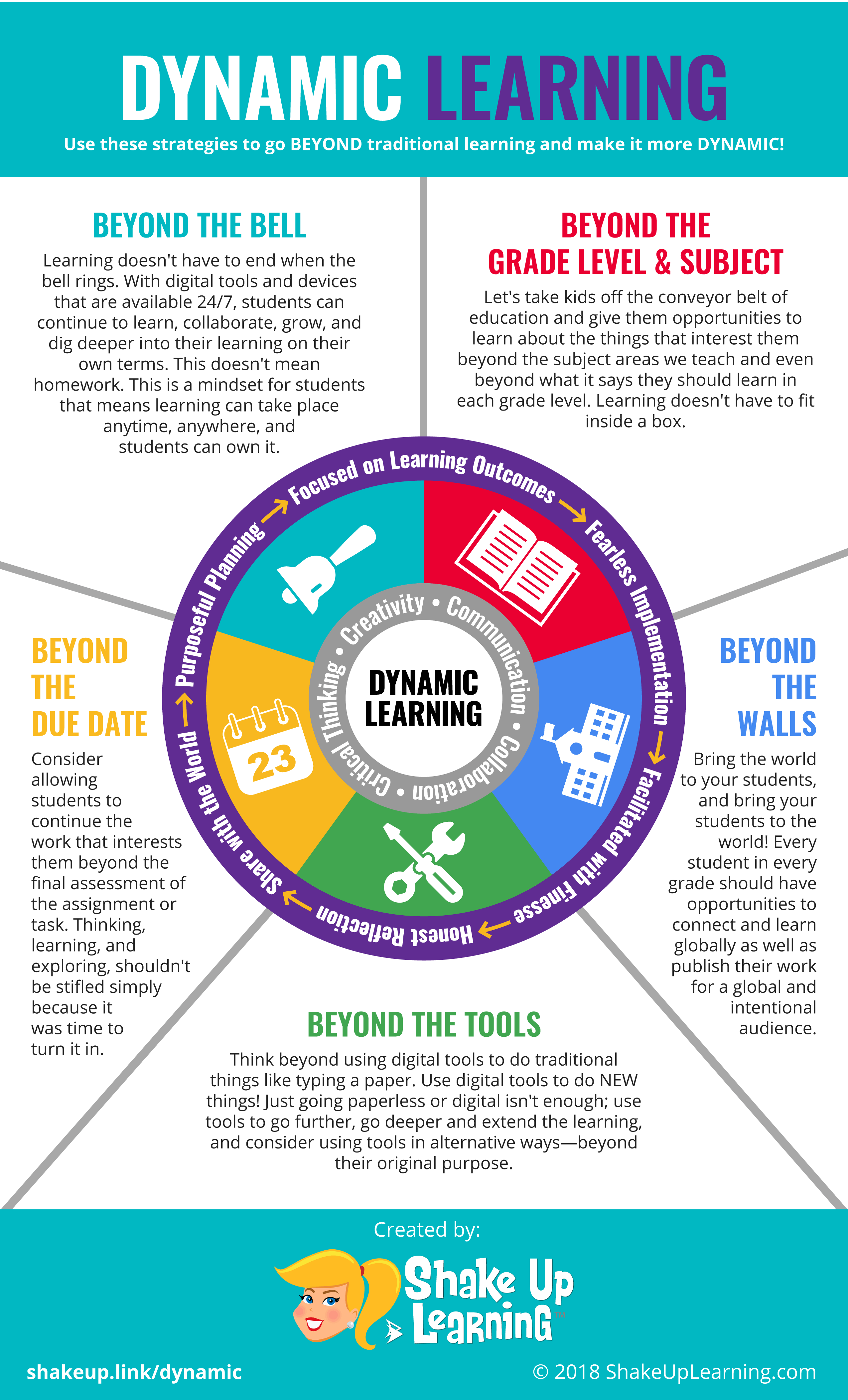
Consider the example of education reform. Rather than adhering to a rigid, one-size-fits-all curriculum, Positive Utopianism encourages a dynamic, student-centered approach that emphasizes critical thinking, creativity, and continuous learning.
[](https://shakeuplearning.com/wp-content/uploads/2018/02/Dynamic-Learning-Infographic-v6.png)
*Dynamic Education Model*
* **Fallibilism**: Teachers and students acknowledge that knowledge is provisional and subject to revision.
* **Piecemeal Engineering**: Curricula are regularly reviewed and updated based on student performance, educational research, and technological advancements.
* **Open Society Values**: Students are encouraged to engage in open dialogue, question assumptions, and develop a strong sense of personal and social responsibility.
### 2. Climate Change Mitigation
Another example is the global response to climate change. Positive Utopianism advocates for a decentralized, adaptive approach that fosters innovation, collaboration, and resilience.
[](https://ars.els-cdn.com/content/image/1-s2.0-S0166497222001596-gr2.jpg)
*Climate Change Mitigation Strategies*
* **Fallibilism**: Scientists and policymakers recognize the inherent uncertainty in climate models and adapt strategies accordingly.
* **Piecemeal Engineering**: A variety of solutions are implemented and evaluated at the local, regional, and global levels, with a focus on reducing greenhouse gas emissions, promoting renewable energy, and enhancing climate adaptation.
* **Open Society Values**: Stakeholders engage in transparent, evidence-based decision-making, fostering international cooperation, and empowering local communities.
### 3. Healthcare System Improvement
A third example is the improvement of healthcare systems. Positive Utopianism supports a patient-centered, data-driven approach that prioritizes prevention, early intervention, and continuous improvement.
[](https://www.healthtechmagazines.com/wp-content/uploads/2020/04/Fast-Following-Amazon-to-the-Patient-Centered-Healthcare-System.png)
*Patient-Centered Healthcare*
* **Fallibilism**: Healthcare professionals and researchers acknowledge the limitations of medical knowledge and embrace a culture of learning and adaptation.
* **Piecemeal Engineering**: Healthcare systems are regularly evaluated and refined based on patient outcomes, best practices, and technological advancements.
* **Open Society Values**: Patients are encouraged to participate in shared decision-making, and healthcare providers foster a culture of transparency, collaboration, and accountability.
Key Insights and Further Exploration
-----------------------------------
Positive Utopianism offers a nuanced and practical approach to social progress that balances the desire for a better world with the realities of human fallibility and complexity. By embracing fallibilism, piecemeal engineering, and open society values, we can foster a more adaptive, inclusive, and equitable society.
To further explore Positive Utopianism, consider the following avenues:
1. Delve deeper into Popper's philosophy of critical rationalism and its implications for various disciplines, such as politics, economics, and ethics.
2. Examine the role of Positive Utopianism in addressing contemporary challenges, such as inequality, artificial intelligence, and globalization.
3. Investigate the potential tensions and trade-offs between Positive Utopianism and other philosophical frameworks, such as consequentialism, deontology, and virtue ethics.
4. Engage in interdisciplinary dialogues and collaborations to develop a more comprehensive understanding of Positive Utopianism and its practical applications.
By critically examining Positive Utopianism and its core concepts, college students can contribute to the ongoing pursuit of a more open, dynamic, and just society.
Last updated: 2024-03-23
Related Books

Related Knowledges