# The Dangers of a Closed Society: An Examination of Karl Popper's Ideas
[](https://upload.wikimedia.org/wikipedia/commons/8/82/Photo_of_Karl_Popper.jpg)
*Karl Popper*
## Introduction
In his seminal work, *The Open Society and Its Enemies*, philosopher Karl Popper (1945) explores the dangers of closed societies and the importance of an open society. A closed society, as Popper defines it, is characterized by a collection of dogmatic beliefs and adherence to tradition, with little to no room for criticism or change. In contrast, an open society is one that embraces criticism, diversity, and individual freedom.
The dangers of a closed society are manifold, and Popper's work serves as a cautionary tale for the perils of dogmatism and the suppression of individual freedom. In this essay, we will delve into the core concepts of Popper's ideas, illustrate their practical implications with diverse examples, and conclude by summarizing key insights and suggesting avenues for further exploration.
[](https://www.linuxfoundation.org/hubfs/WOIC_OS_Economic_Recovery_WoOS_Infographic.png#keepProtocol)
*Contrast between Open and Closed Societies*
## The Dangers of a Closed Society
At the heart of Popper's argument lies the idea that a closed society is inherently dangerous because it stifles individual freedom and creativity. When a society clings to a set of dogmatic beliefs, it discourages critical thinking and the exploration of new ideas. This, in turn, can lead to stagnation, intolerance, and even violence.
One of the most significant dangers of a closed society is the suppression of free speech and the persecution of those who dare to challenge the status quo. In a closed society, dissenting voices are often silenced, either through legal means or through more insidious forms of social pressure. This not only deprives society of valuable perspectives but also creates an environment of fear and conformity.
Another danger of a closed society is its tendency to prioritize the needs of the collective over those of the individual. In such societies, the rights and freedoms of the individual are often subsumed by the perceived needs of the group. This can lead to the suppression of minority voices and the marginalization of those who do not fit neatly into the dominant narrative.
## Practical Implications: Examples and Applications
To better understand the dangers of a closed society, let us consider a few examples from history and contemporary society.
### Example 1: The Soviet Union
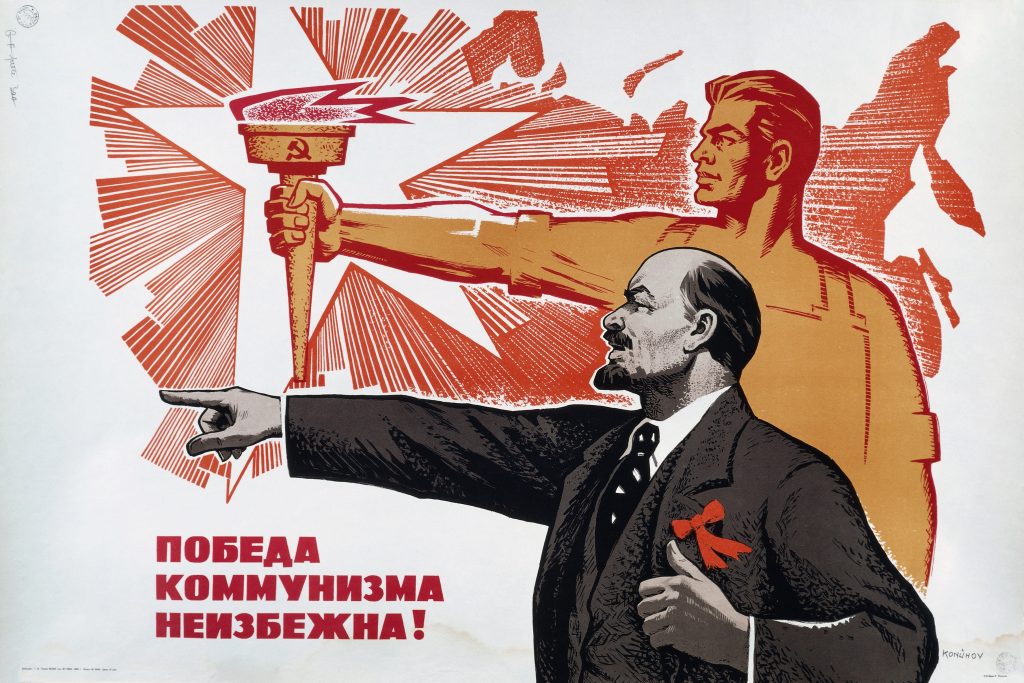
The Soviet Union, as a prime example of a closed society, offers a stark illustration of the dangers Popper warns against. Under the rule of the Communist Party, the Soviet Union was characterized by a rigid adherence to Marxist-Leninist ideology and a deep suspicion of dissent.
The Soviet government systematically suppressed free speech, jailing or executing those who dared to challenge the regime. The state also controlled the media, education, and cultural institutions, ensuring that the official narrative was the only one available to the public.
[](https://d3i6fh83elv35t.cloudfront.net/newshour/app/uploads/2017/07/GettyImages-541320861-1024x683.jpg)
*Soviet Union Propaganda*
The consequences of this closed society were devastating. The suppression of free speech led to a stifling environment of fear and conformity, where critical thinking was discouraged, and creativity was stifled. The prioritization of the collective over the individual resulted in the marginalization and persecution of minority groups, such as the LGBTQ+ community and religious minorities.
### Example 2: Contemporary China
Contemporary China, while far from a carbon copy of the Soviet Union, shares many of the same characteristics of a closed society. Under the rule of the Chinese Communist Party, China has maintained a tight grip on free speech, suppressing dissenting voices and censoring information that challenges the official narrative.
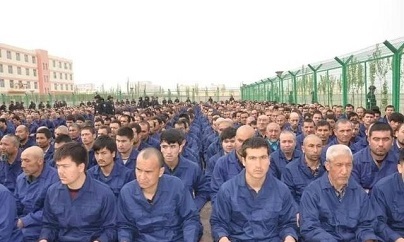
The Chinese government's treatment of the Uighur minority in Xinjiang offers a chilling example of the dangers of a closed society. The Uighurs, a predominantly Muslim ethnic minority, have been subjected to mass detention, forced assimilation, and other human rights abuses in the name of "national security" and "social stability."
[](https://upload.wikimedia.org/wikipedia/en/5/54/Xinjiang_Re-education_Camp_Lop_County.jpg)
*Uighur Detention Camps*
The Chinese government's actions towards the Uighurs demonstrate the dangers of prioritizing the needs of the collective over those of the individual. By suppressing the rights and freedoms of the Uighur community, the Chinese government has created an environment of fear and conformity, where dissent is not tolerated, and individuality is discouraged.
## Conclusion
In conclusion, Popper's ideas about the dangers of a closed society remain as relevant today as they were when he first wrote *The Open Society and Its Enemies*. By examining the practical implications of a closed society through historical and contemporary examples, we can better understand the perils of dogmatism and the suppression of individual freedom.
To further explore the topic of closed societies and their dangers, consider the following avenues for further study:
1. Examine the role of education in shaping open and closed societies. How can educational systems foster critical thinking and individual freedom, and what challenges do they face in doing so?
2. Investigate the relationship between technology and open societies. How can technology be used to promote free speech and individual freedom, and what are the potential pitfalls of relying on technology for these purposes?
3. Consider the role of art and culture in promoting open societies. How can artistic expression and cultural exchange foster understanding and tolerance, and what challenges do artists and cultural institutions face in promoting these values?
By engaging with these questions and others like them, we can continue to explore the dangers of closed societies and work towards fostering open, inclusive, and free societies for all.
Last updated: 2024-03-21
Related Books

Related Knowledges