### Piecemeal Social Engineering: A Practical Approach to Social Reform
*"The piecemeal engineer will, accordingly, adopt the method of searching for, and fighting against, the greatest and most urgent evils of society, rather than searching for, and fighting for, its greatest ultimate good." - Karl Popper, The Open Society and Its Enemies*
[](https://cdn.britannica.com/69/199769-050-CC9752D7/Karl-Popper-1991.jpg)
*Karl Popper, the philosopher behind the concept of piecemeal social engineering*
In *The Open Society and Its Enemies*, philosopher Karl Popper introduces the concept of 'piecemeal social engineering' as a practical and modest approach to social reform. Contrasting it with 'utopian social engineering', which seeks to implement grand designs for an ideal society, piecemeal social engineering focuses on addressing specific social issues step-by-step. This article delves into the core concepts and relevance of piecemeal social engineering and provides diverse examples to illustrate its practical implications for college students.
#### Core Concepts and Relevance
Piecemeal social engineering is grounded in the belief that human knowledge is inherently limited and fallible. Popper emphasizes that societies are complex and ever-changing, making it impractical and potentially perilous to attempt to impose a preconceived, idealized order. Instead, he proposed a piecemeal approach that involves addressing specific issues through iterative reforms based on continuous learning and adaptation.
[](https://img.yumpu.com/26852899/1/500x640/piecemeal-social-engineering-isny-josephpdf.jpg)
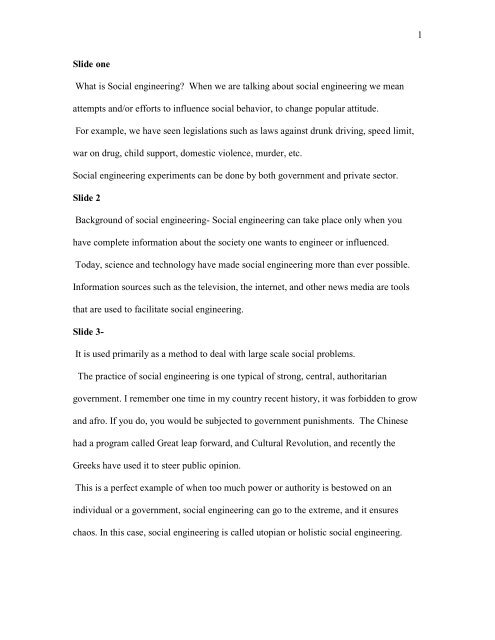
*Illustration of piecemeal social engineering approach*
The relevance of piecemeal social engineering is evident in today's rapidly changing world. Many of the challenges societies face are interconnected and multidimensional, requiring flexible and adaptive responses. By focusing on addressing pressing issues, policymakers and change agents can foster gradual improvements and minimize unintended consequences that often accompany drastic, wholesale changes.
#### Fighting the Greatest Evils: Examples and Applications
##### 1. Tackling Homelessness
Homelessness is a pervasive social issue affecting millions of people worldwide. A piecemeal approach to tackling homelessness involves addressing the diverse needs and challenges of people experiencing homelessness by implementing tailored interventions.
a. *Housing First:* This evidence-based approach prioritizes providing permanent housing for homeless individuals, followed by intensive support services. It recognizes that stable housing is a precondition for addressing other issues such as mental health, substance abuse, and employment.
[](https://endhomelessness.org/wp-content/uploads/2017/06/NAEH_Infographics_Final-02.jpg)
*Infographic on Housing First approach to tackle homelessness*
b. *Rapid Rehousing:* This intervention involves quickly connecting homeless families to temporary rental assistance and services to help them find and maintain permanent housing.
These targeted interventions have proven to be more effective in reducing homelessness than traditional, one-size-fits-all approaches that focus solely on emergency shelter provision or require individuals to achieve stability before obtaining housing.
##### 2. Climate Change Mitigation
Tackling climate change is a pressing global issue that demands a multifaceted response. Piecemeal social engineering can be effectively applied to mitigate climate change by implementing targeted policy interventions and technological solutions.
a. *Carbon Pricing:* Carbon pricing strategies, such as carbon taxes and emissions trading schemes, can be powerful tools for reducing greenhouse gas emissions. By incorporating the cost of environmental degradation into the price of goods and services, these mechanisms incentivize businesses to reduce emissions and invest in greener technologies.
[](https://worldbank.scene7.com/is/image/worldbankprod/carbon-pricing-buildings:1440x600)
*Carbon pricing mechanisms explained*
b. *Energy Efficiency Standards:* Establishing strict energy efficiency standards for appliances, buildings, and transportation can help reduce energy consumption and greenhouse gas emissions.
c. *Renewable Energy Incentives:* Governments can promote the use of renewable energy sources through subsidies and tax credits for renewable energy generation, research and development, and consumer adoption.
By implementing these and other piecemeal interventions, societies can make significant progress in mitigating climate change without relying on a utopian, all-encompassing solution.
##### 3. Reducing Inequality
Inequality remains a persistent challenge in societies worldwide, with wealth and income disparities hindering social mobility and economic development. A piecemeal approach to reducing inequality involves implementing targeted policies that address the root causes of inequality and promote social equity.
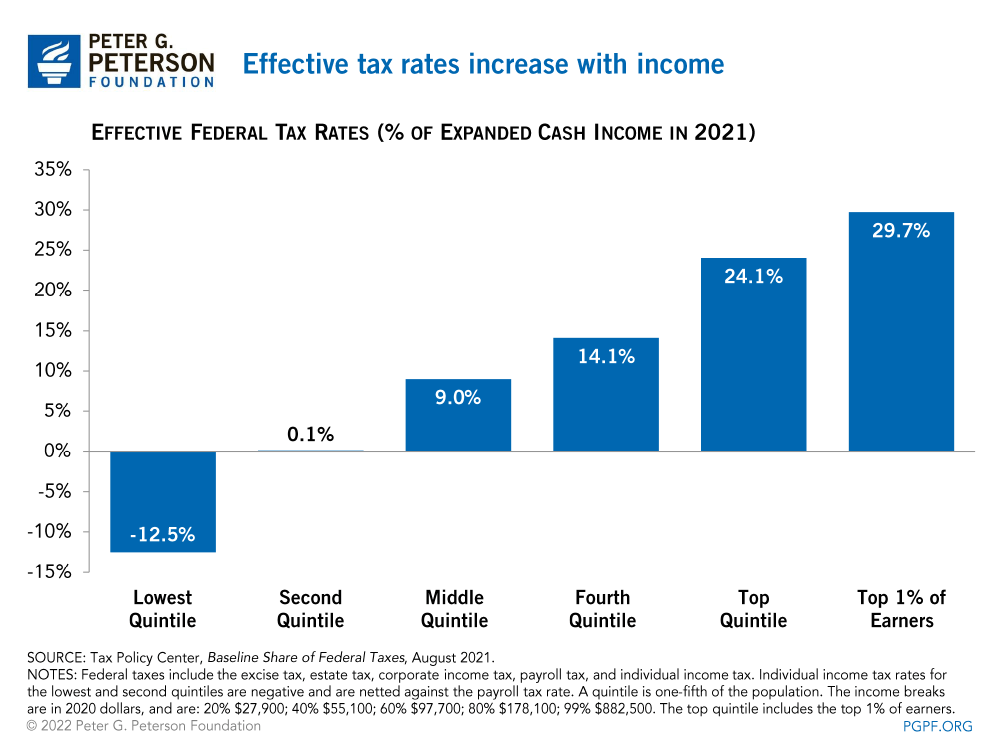
a. *Progressive Taxation:* Progressive tax systems that impose higher tax rates on higher-income earners can help redistribute wealth, finance public services, and create a more equitable society.
[](https://www.pgpf.org/sites/default/files/0008_tax-system-full.gif)
*Infographic on progressive taxation impact*
b. *Education Policies:* Implementing need-based financial aid programs, investing in public education, and promoting access to higher education can reduce educational disparities and improve social mobility.
c. *Labor Market Policies:* Minimum wage laws, labor rights protections, and job training programs can help close the wage gap and create more equitable labor markets.
#### Concluding Thoughts
Piecemeal social engineering provides a practical, adaptive approach to addressing complex social issues. By focusing on tackling the greatest and most urgent evils of society, rather than pursuing utopian ideals, policymakers and change agents can foster incremental improvements and minimize unintended consequences.
Through the examples provided, students can recognize the value of piecemeal social engineering in promoting evidence-based decision-making and continuous learning in the pursuit of social reform. Encouraging further exploration of this topic can help students develop critical thinking skills and a nuanced understanding of the challenges and opportunities inherent in social engineering.
Avenues for further exploration include examining the role of institutions, social norms, and political ideologies in shaping piecemeal social engineering efforts, as well as evaluating the potential impact of emerging technologies and global trends on the applicability and effectiveness of piecemeal social engineering.
Last updated: 2024-04-05
Related Books

Related Knowledges