# Understanding Bureaucracy: An In-depth Analysis Based on The Dictator's Handbook
Bureaucracy is a critical concept in political science, and it has significant implications for understanding how political systems operate and function. According to *The Dictator's Handbook* by Bruce Bueno de Mesquita and Alastair Smith, bureaucracy is a system of governance that relies on a complex network of officials, departments, and agencies to implement and enforce policies. In this analysis, we will explore the core concepts of bureaucracy as presented in the book and examine its relevance, examples, and applications.
## What is Bureaucracy?
[](https://slidemodel.com/wp-content/uploads/01-organizational-structures-charts-cover-1.png)
*A diagram showing the hierarchical structure of a bureaucracy*
Bureaucracy refers to a form of administration that is characterized by a hierarchical structure, formal rules and regulations, and a clear division of labor. In bureaucracies, decisions are made based on established procedures and regulations, and officials are appointed based on their expertise and qualifications. The Dictator's Handbook explains that bureaucracy is a critical tool for political leaders to maintain power and control. Leaders use bureaucracies to implement policies, manage resources, and provide public services. However, as bureaucracies grow in size and complexity, they can become difficult to manage and control, leading to inefficiency, corruption, and bureaucratic dysfunction.
## Examples and Applications
Bureaucracy has significant implications for understanding how political systems operate and function. Here are some examples and applications of bureaucracy:
### The US Federal Government
The US federal government is a prime example of a bureaucratic system. The government is divided into three branches: the executive, legislative, and judicial. Each branch has its own bureaucracy, with departments and agencies responsible for implementing and enforcing policies. For instance, the Department of Defense is responsible for national security, while the Department of Education is responsible for education policy. The federal bureaucracy is complex, with over two million civilian employees, making it difficult for political leaders to control and manage.
[](https://cdn.shopify.com/s/files/1/2724/8374/files/SLG.Federal.Government.Org.Chart.png?v=1611121483)
*Organizational chart of the US Federal Government*
### The Chinese Communist Party
The Chinese Communist Party (CCP) is another example of a bureaucratic system. The CCP has a hierarchical structure, with the Politburo at the top, followed by the State Council, and then various ministries and agencies. The CCP uses bureaucracy to maintain control and implement policies. However, the bureaucracy can also lead to corruption and inefficiency. For instance, local officials may prioritize their interests over those of the central government, leading to inconsistent policy implementation.
[](http://static6.businessinsider.com/image/505a3c3669bedda23500000c-900-702/china-leadership-slide.jpg)
*Organizational structure of the Chinese Communist Party*
### International Organizations
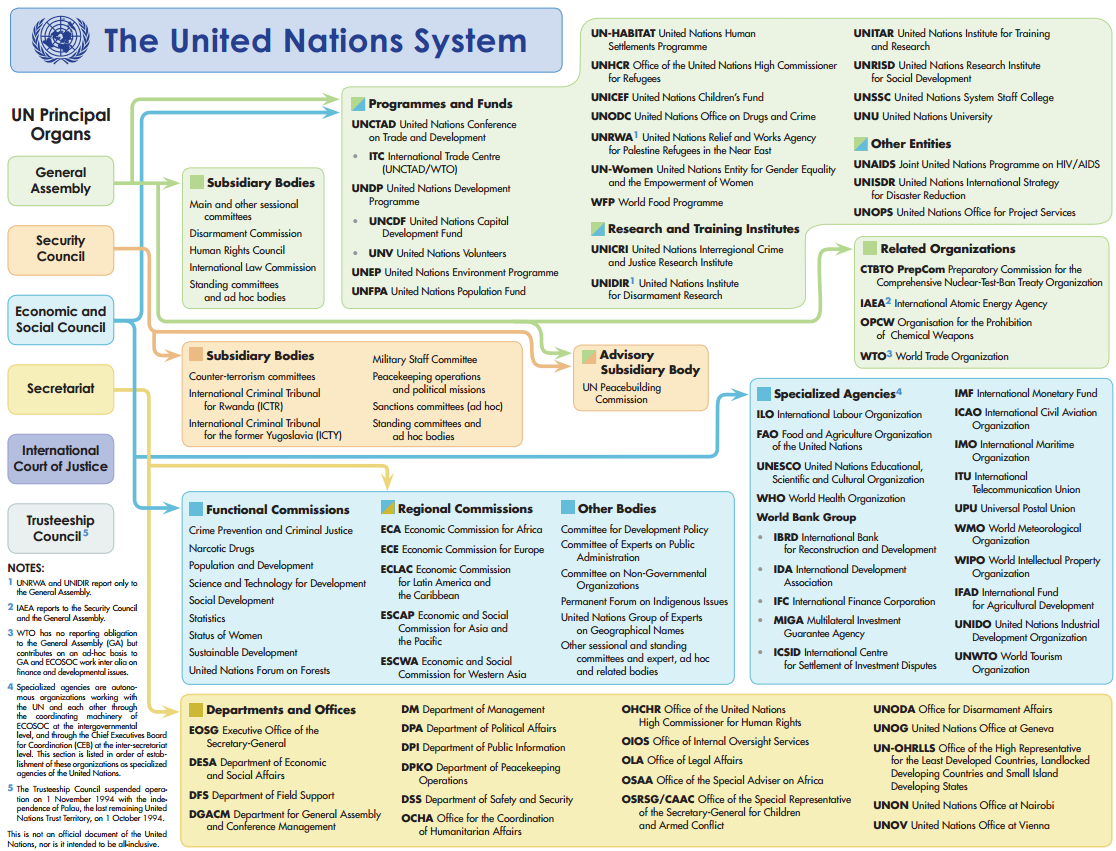
Bureaucracy is also prevalent in international organizations, such as the United Nations (UN) and the World Bank. These organizations have a hierarchical structure, with a secretary-general or president at the top, followed by various departments and agencies. Bureaucracy in international organizations can lead to inefficiency and bureaucratic dysfunction. For instance, the UN's bureaucracy has been criticized for being slow and unresponsive, making it difficult to address pressing global issues.
[](https://munual.philkuo.com/wp-content/uploads/2015/09/UN-System-Chart.png)
*Chart overview of an international organization's bureaucracy*
## Key Insights and Further Exploration
The Dictator's Handbook provides valuable insights into the nature of bureaucracy and its implications for political systems. Here are some key insights:
* Bureaucracy is a critical tool for political leaders to maintain power and control.
* Bureaucracies can become difficult to manage and control as they grow in size and complexity.
* Bureaucracy can lead to inefficiency, corruption, and bureaucratic dysfunction.
To further explore the topic of bureaucracy, students can examine case studies of bureaucratic systems in different countries and contexts. They can also analyze the impact of bureaucracy on policy implementation and public service delivery. Additionally, students can explore the relationship between bureaucracy and democracy, and how bureaucratic reforms can improve government efficiency and accountability.
In conclusion, bureaucracy is a critical concept in political science, and it has significant implications for understanding how political systems operate and function. The Dictator's Handbook provides a comprehensive analysis of bureaucracy, highlighting its core concepts, relevance, examples, and applications. By examining the complex nature of bureaucracy, students can gain a deeper understanding of the challenges and opportunities of governance.
Last updated: 2025-01-29
Related Books
Related Knowledges