# Developing a 'Disposition to Analyze': Making Better Decisions through Critical Examination
## Introduction
In her insightful book *Thinking in Bets: Making Smarter Decisions When You Don't Have All the Facts*, Annie Duke emphasizes the importance of cultivating a 'disposition to analyze' to make more informed decisions. In essence, developing a strong inclination to study and scrutinize information leads to more incisive thinking—an essential skill for college students and professionals alike. By learning and applying the principles of analysis outlined in this post, you will make better choices and navigate various fields more effectively.
[](https://m.media-amazon.com/images/I/61R9arJn86L._AC_UF1000,1000_QL80_.jpg)
*The importance of developing a disposition to analyze*
## Core Concepts and Relevance
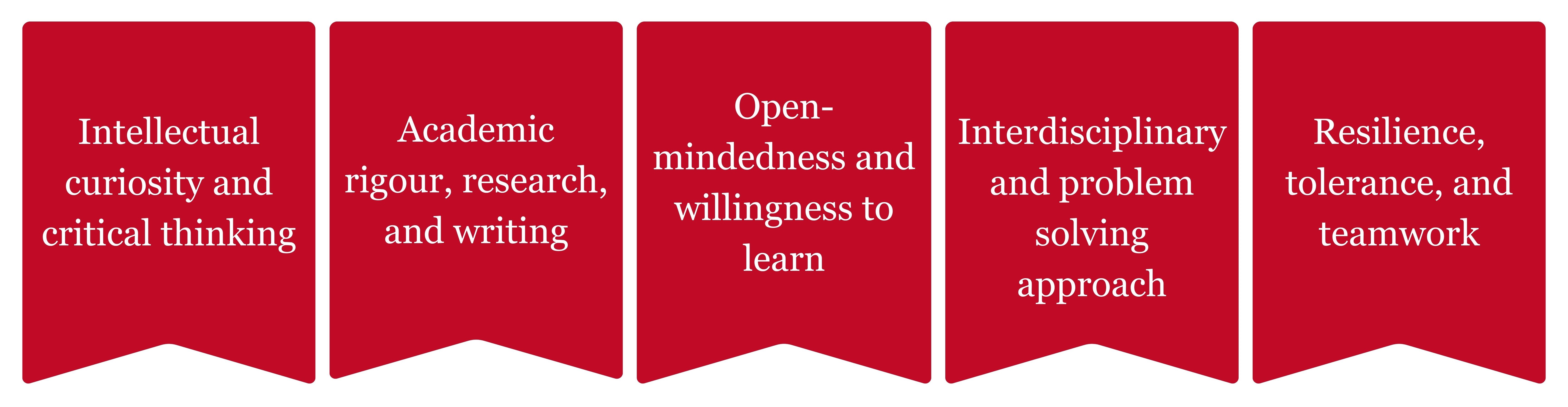
The central premise of *Thinking in Bets* is that valuable information can often reside in *uncertainty*. By learning how to embrace this ambiguity and adopt a disposition to analyze, you'll be better prepared to make informed judgments. In practice, cultivating a 'disposition to analyze' comprises three core skills:
1. **Curiosity**: Encourage active inquiry to identify potential biases, errors, and valuable insights.
2. **Open-mindedness**: Objectively evaluate information and remain receptive to varying perspectives.
3. **Critical thinking**: Engage in a systematic, unbiased, and objective examination of available data and arguments.
[](https://www.ashoka.edu.in/wp-content/uploads/2023/10/Webpage-Design.jpg)
*Core skills for a disposition to analyze*
These skills are vital to decision-making and contribute to enhanced discernment and judgement.
## Practical Implications: Applications and Examples
For a more comprehensive understanding of the disposition to analyze, consider its practical implications in the following scenarios:
### Example 1: Academic Research
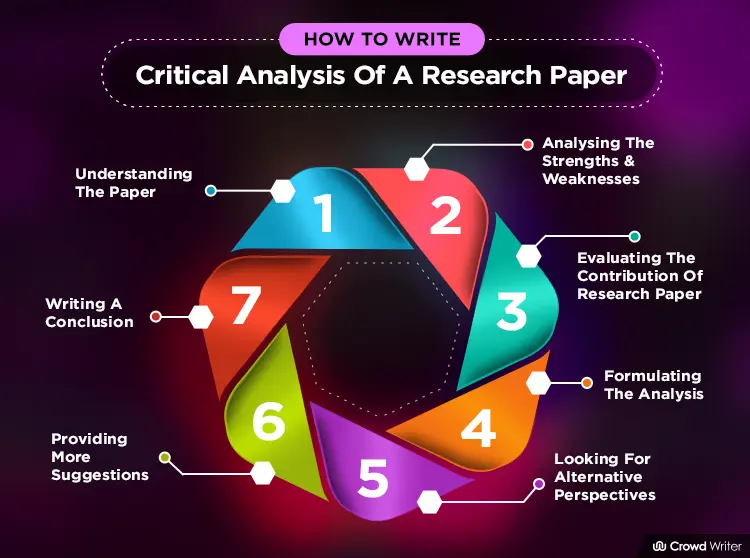
As a college student, imagine you are researching the potential factors influencing smartphone addiction among teenagers. Initially, you hypothesized that variables such as time spent online, peer pressure, and emotional vulnerability were primary contributors.
However, upon closer examination, you stumble upon a study that highlights the importance of *parental attitudes* in shaping children's smartphone habits. With this newfound insight, you are prompted to revise your initial assumptions and delve deeper into the role played by parents in the equation.
The disposition to analyze is evident during each step of this process:
- **Curiosity**: You proactively seek out existing literature on the topic.
- **Open-mindedness**: You remain open to alternative factors that may influence your initial hypotheses.
- **Critical thinking**: You meticulously examine the source material, assess its validity, and apply it to your research.
By incorporating the disposition to analyze, your findings will likely be more nuanced and insightful, while simultaneously contributing to your growth as a scholar.
[](https://www.crowdwriter.com/wp-content/uploads/how-to-write-a-critical-analysis-of-a-research-paper.webp)
*Applying disposition to analyze in academic research*
### Example 2: Entrepreneurship
Suppose you are a budding entrepreneur deciding whether to invest in a new business idea. Before reaching a final decision, it's essential to consider the potential risks, assess the market, and evaluate financial predictions.
In this scenario, a strong disposition to analyze includes:
- **Curiosity**: Engaging in thorough market research, identifying trends, and examining competitor strategies.
- **Open-mindedness**: Weighing opinions from different business consultants and experienced entrepreneurs.
- **Critical thinking**: Formulating logical assessments of the data, conducting sensitivity analyses, and validating key assumptions.
The disposition to analyze ensures a more comprehensive view of the company's potential. Ultimately, this mindset enhances judgment and equips the entrepreneur with vital tools to assess the project's viability accurately.
[](https://m.media-amazon.com/images/I/51-oBbaNYDL._AC_UF1000,1000_QL80_.jpg)
*Entrepreneurship decision-making process*
## Key Insights and Further Exploration
The concept of developing a 'disposition to analyze' empowers college students and professionals by honing their critical thinking, open-mindedness, and curiosity. By diligently applying this practice in various situations, you'll deepen your understanding of essential theories, build connections between diverse concepts, and maintain engaged and persistent learning.
For further exploration of the topic, consider engaging in the following activities:
- Read and reflect on additional literature, such as Ellen Langer's *The Power of Mindful Learning*, to expand your understanding of analysis and decision-making.
- Assess the impact of emotional intelligence on analysis, as elucidated in Daniel Goleman's classic work *Emotional Intelligence: Why It Can Matter More Than IQ*.
- Test your ability to analyze by partaking in complex simulations or strategic games, scrutinizing your thought processes, and refining your decision-making strategies.
- Engage in meaningful discussions or debates, deliberating various facets of the disposition to analyze with academic mentors, peers, or professionals.
By delving deeper into the intricacies of the disposition to analyze, you'll be better prepared to navigate the challenges of the academic, professional, and personal spheres, ultimately elevating your learning experience and decision-making capabilities.
[](https://imgs.michaels.com/MAM/assets/1/726D45CA1C364650A39CD1B336F03305/img/81285F429D7B455399D23850CC9B571F/28788_CTB1509.jpg?fit=inside|1280:1280)
*Continuing education and critical analysis*
Last updated: 2024-05-31
Related Books

Related Knowledges