# Philosophy of Decision-Making in Uncertain Situations: A Deep Dive into Annie Duke's Thinking in Bets
_"The decision-making rights of any organization reside right where the information does—with the individuals who possess it."_ — Annie Duke
[](https://media.newyorker.com/photos/5ab1217e0335601e323a81f3/1:1/w_2645,h_2645,c_limit/Gregory-Annie-Duke.jpg)
*Annie Duke playing poker*
Decision-making is a fundamental skill that transcends disciplines and industries. Yet, making optimal decisions in the face of uncertainty is a daunting task, often leading to cognitive biases and suboptimal outcomes. Famed poker player and decision strategist Annie Duke provides us with an enlightening perspective on decision-making in her insightful book, _Thinking in Bets_. By applying her poker wisdom to real-world dilemmas, Duke encourages us to embrace uncertainty and recognize the importance of probabilistic thinking.
[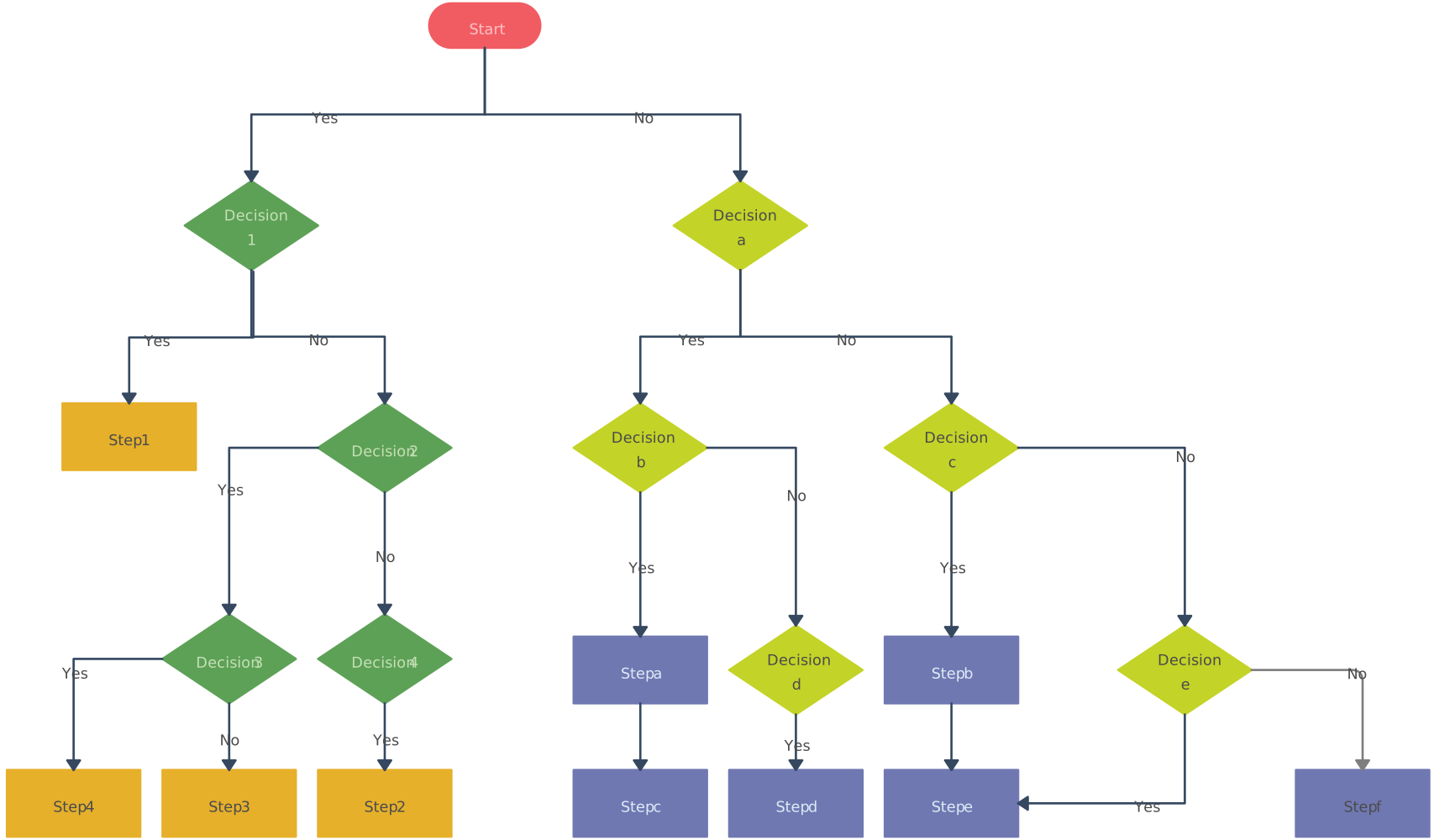](https://svg.template.creately.com/j20af6gl7)
*Decision-making process illustration*
## Core Concepts of Decision-Making in Uncertain Situations
At the heart of decision-making is the recognition of uncertainty. Unlike games of chance such as craps or roulette, where every outcome is entirely dependent on chance, decisions made in the real world are a blend of skill and luck. Duke contends that conceptualizing our choices as "bets" or probabilistic predictions can help mitigate cognitive biases and enhance decision-making.
[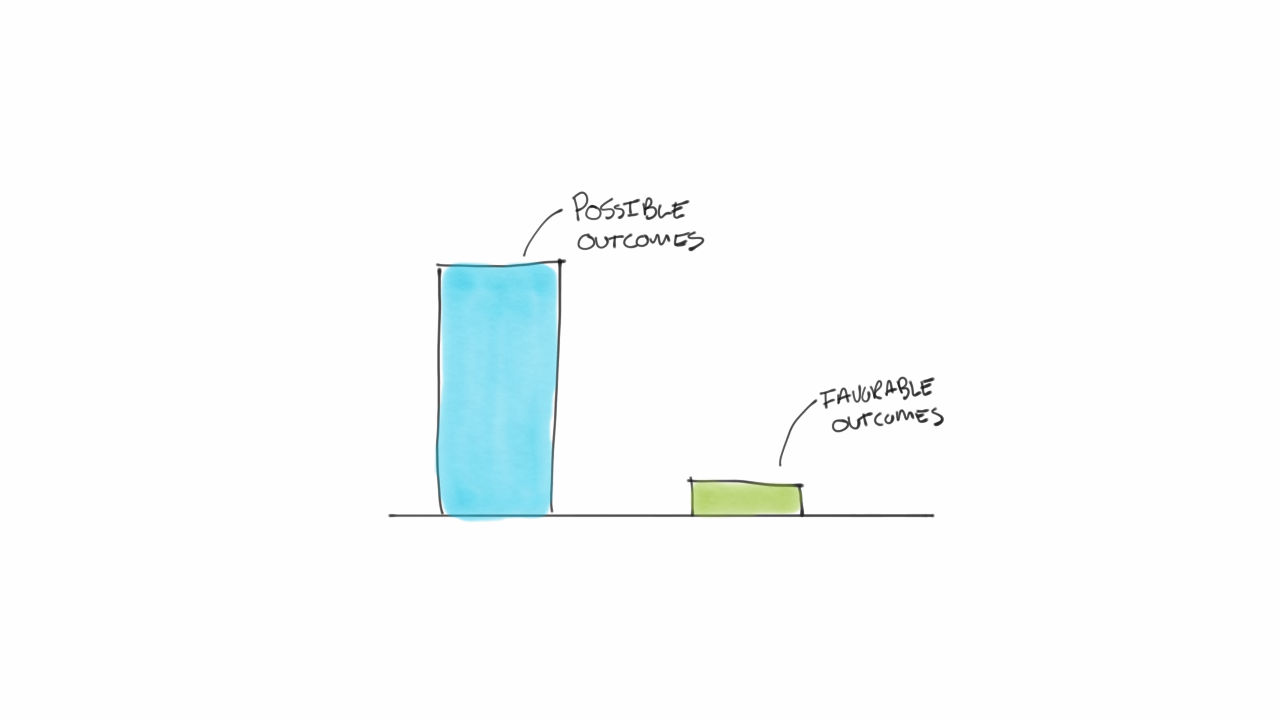](https://149664534.v2.pressablecdn.com/wp-content/uploads/2018/08/Probabilistic-Thinking.png)
*Probabilistic thinking concept*
### 1. Identify Decisions as Bets
To think in bets, we must regard the outcomes of our choices as the result of our skill and the natural variance in the environment. This reimagining helps us recognize the importance of estimating probabilities in lieu of relying solely on our intuitions.
### 2. Consider Alternatives
When making a decision, evaluating a range of options fosters better outcomes. By objectively analyzing the pros and cons of each alternative, we are more likely to land on the most logical decision, rather than making a choice based on our intuition alone.
### 3. Welcome New Information
Embracing new information, particularly when it disproves our cherished beliefs, is essential for realizing the full potential of decision-making. Furthermore, remaining open to revising our assumptions based on data ultimately enables continuous improvement.
## Practical Implications of Decision-Making in Uncertain Situations
### Example 1: Financial Markets
Investing wisely requires the ability to make informed decisions despite the inherently unpredictable nature of financial markets. Portfolio managers can benefit from incorporating the philosophy of decision-making in uncertain situations in the following ways:
[](https://www.investopedia.com/thmb/xBXLWUjf9xBev6FF0A7bie-j6J8=/1500x0/filters:no_upscale%28%29:max_bytes%28150000%29:strip_icc%28%29/dotdash_Final_Introductio_to_Technical_Analysis_Price_Patterns_Sep_2020-01-c68c49b8f38741a6b909ecc71e41f6eb.jpg)
*Financial market analysis*
* Diversify investments: Assess the performance of a variety of assets based on historical data, thereby mitigating the risk associated with a single investment option.
* Acknowledge the role of chance: Accept the unpredictability of the markets and endeavor to minimize losses by cutting losses early and capitalizing on winning positions.
* Utilize stop-loss orders: By setting a predetermined limit to the losses a portfolio can incur, managers can minimize exposure to significant financial downturns.
### Example 2: Sports Coaching
Effective coaching in sports often requires making on-the-spot decisions that can significantly impact the team's performance. Utilizing a decision-making framework can lead to improved outcomes.
[](https://as2.ftcdn.net/v2/jpg/05/36/58/47/1000_F_536584771_NDhgvu5z81PsqFTy5M9QHNnnxStn1oa2.jpg)
*Sports coaching strategy*
* Assess the opponent's strengths and weaknesses: Scouting and analyzing the competition allows coaches to devise strategies that maximize their team's potential for success.
* Consider alternatives: Contemplate various tactical options and weigh their respective benefits and drawbacks before selecting the most appropriate option.
* Be adaptive: Modifying strategies as the game progresses in response to changing factors (e.g., opponents' adjustments or player injuries) can enhance a team's chances of achieving its objectives.
## Implications for College Students
Thinking in bets can benefit college students in a multitude of ways, as it prepares them for the uncertainty they are bound to encounter in their academic and professional lives. By incorporating probabilistic thinking and evaluating alternatives, students can hone their decision-making skills in the following aspects:
* Academic course selection: Estimate the probability of achieving a desired academic outcome based on past performance and available resources.
* Internship opportunities: Compare various internship experiences and weigh the likelihood of gaining valuable skills and industry connections at each opportunity.
* Career path selection: Identify potential career paths, evaluate the associated risks and rewards, and make informed decisions about degree programs and job opportunities.
[](https://collegeadmissionsstrategies.com/wp-content/uploads/2021/04/College-Decisions.jpg)
*College student planning*
## Conclusion: Key Insights and Avenues for Further Exploration
In summary, the philosophy of decision-making in uncertain situations advocates for probabilistic thinking and the assimilation of new information. By reimagining our choices as bets, we reduce cognitive biases, increase the likelihood of optimal outcomes, and refine our decision-making skills.
Delving further into the multifaceted discipline of decision-making is highly encouraged. The subsequent topics can serve as a solid foundation for deeper exploration:
* Behavioral decision-making
* Cognitive biases in decision-making
* Game theory and decision-making
* Decision-making under risk
* Neural foundations of decision-making
Exploration of these themes will empower students to optimize their decision-making capabilities and better navigate the uncertain waters of academia, career development, and day-to-day life.
_Bibliography_
Duke, A. (2018). Thinking in Bets: Making Smarter Decisions When You Don't Have All the Facts. Portfolio/Penguin.
Last updated: 2024-05-31
Related Books
Related Knowledges