### Efficient Information Gathering and Processing: Unlocking the Power of Strategic Thinking
[](https://media.licdn.com/dms/image/D4D12AQH5oT9JLZSzqA/article-cover_image-shrink_720_1280/0/1679833691016?e=2147483647&v=beta&t=S7D8Yrbc3D8Yk4160kspZfJqbE8NOBpzlcg7H_Dh13s)
*Strategic Thinking and Decision Making*
#### Introduction
In today's world, we are inundated with an overwhelming amount of information. As a result, our ability to efficiently gather, analyze, and utilize this data is essential to our success in our personal and professional lives. In the book "Thinking in Bets," Annie Duke emphasizes the significance of optimizing our decision-making processes through effective information gathering and processing. In this comprehensive guide, we will explore the core concepts and practical implications of this skill, and unveil the key insights that will help you on your path to becoming a strategic thinker.
#### Core Concepts
Annie Duke explains that efficient information gathering and processing enables us to make better decisions by reducing cognitive biases and uncertainties. By following a systematic and thoughtful approach, we can minimize the impact of our emotions on our choices, leading to improved outcomes. Duke emphasizes the importance of the following concepts:
[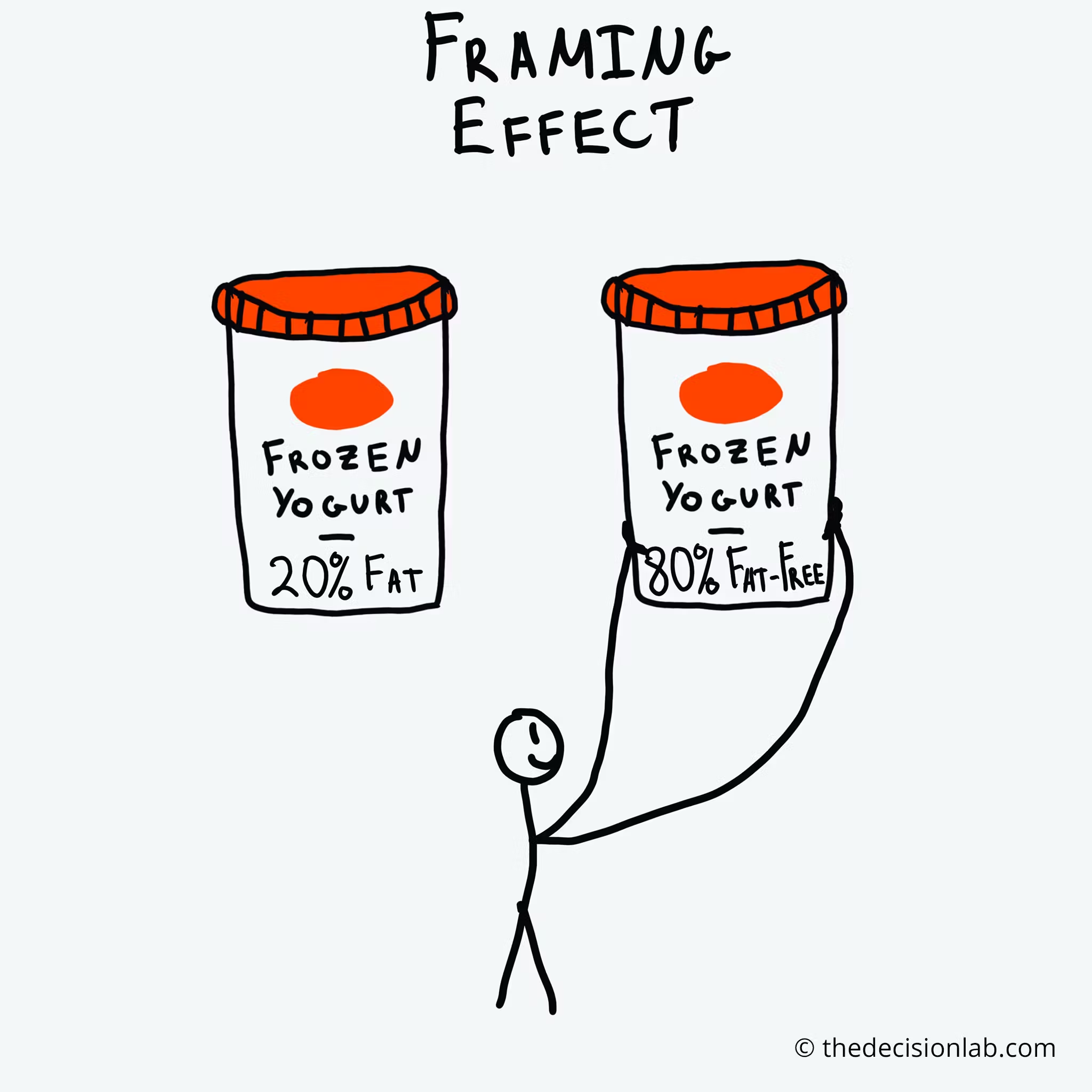](https://images.prismic.io/thedecisionlab/6a3f5670-ab87-4ea7-a16d-4dd62f8be5ec_Framing-effect-g.jpeg?auto=compress,format)
*Cognitive Framing in Decision Making*
1. **Forming a situation's cognitive frame**: Cognitive framing plays a crucial role in shaping our decisions. By carefully defining the context, we can better understand the key factors affecting our choices and recognize biases.
2. **Identifying the knowns and unknowns**: Clearly distinguishing between the information we possess (knowns) and the information we lack (unknowns) allows us to focus on the crucial aspects of a decision and avoid overconfidence.
3. **Seeking diverse perspectives**: Drawing on multiple viewpoints enables us to challenge our own biases and refine our thought processes, resulting in more robust and well-rounded choices.
#### Practical Implications
Effective information gathering and processing enables us to make more informed, strategic decisions. Duke provides several techniques and applications to enhance our decision-making abilities:
[](https://media.licdn.com/dms/image/D4D22AQFWgIUoU2jIlA/feedshare-shrink_800/0/1687887057260?e=2147483647&v=beta&t=j6xfwXRZ6wrAQfuGlb8PtGme532Qk5LRShczluommLU)
*Pre-mortem Analysis Technique*
1. **Pre-mortem analysis**: Before embarking on a critical decision, conduct a pre-mortem analysis. Imagine a future scenario where your decision failed. Identify the reasons behind the failure and reflect on what you could have done differently to avoid that outcome. This exercise helps you to consider potential risks and weaknesses and mitigate them effectively.
2. **Seeking out devil's advocates**: Surround yourself with individuals who are willing to challenge your thought processes and assumptions. By engaging with those who offer dissenting opinions and ideas, you can stress-test your decision-making rationale and sharpen your critical thinking skills.
#### Example 1: Investing in Stocks
Consider a college student contemplating investing in the stock market. By adopting strategic information gathering and processing methods, the student can significantly improve their decision-making skills.
[](https://media.licdn.com/dms/image/D5612AQEX-5HZ_b5w3Q/article-cover_image-shrink_720_1280/0/1691665293981?e=2147483647&v=beta&t=G79Ob4P_VaR9ijGzkP5rgBxiL_MUF7UnSwLfC11CtOU)
*Investing in Stocks Strategy*
* **Cognitive frame**: Form a solid understanding of the financial markets and investment principles. Recognize the inherent uncertainty, focus on the long term, and establish a risk profile.
* **Knowns and unknowns**: Acknowledge the variables within the investor's control and those beyond it. Factors like portfolio diversification, risk tolerance, and investment horizon are knowns, while future returns, the overall market performance, and geopolitical events are unknowns.
* **Diverse perspectives**: Research various investment strategies, consider financial experts' opinions, and consult with experienced investors. Embrace the notion of a "circle of competence" and humbly recognize the limitations of one's understanding.
#### Example 2: Choosing a College Major
In making a decision regarding a college major, efficient information gathering and processing can substantially benefit students faced with a complicated and sometimes overwhelming choice.
[](https://kajabi-storefronts-production.kajabi-cdn.com/kajabi-storefronts-production/blogs/7706/images/KXUozOCCR16yWjO3g9VJ_file.jpg)
*Choosing a College Major Decision Process*
* **Cognitive frame**: Frame the decision-making process based on self-reflection and self-awareness. Identify your strengths, weaknesses, interests, and career aspirations.
* **Knowns and unknowns**: Recognize the factors you're certain about, such as personal preferences, aptitudes, and academic performance. Be aware of the unquantifiable variables, like graduate employment rate, job satisfaction, and the industry's future prospects.
* **Diverse perspectives**: Consult with faculty advisors, friends, alumni, and professionals in the desired field. Attend career fairs, engage in internships, and participate in workshops related to your prospective major.
#### Conclusion
By mastering efficient information gathering and processing, college students can cultivate a strategic mindset and enhance their decision-making capabilities significantly. Recognizing cognitive biases, uncertainties, and leveraging diverse perspectives are instrumental in forming the foundation for sound decision-making. Students seeking to deepen their understanding of the topic may explore the following avenues:
1. Delving deeper into cognitive biases and their implications by reading books like "Thinking, Fast and Slow" by Daniel Kahneman
2. Studying decision-making within organizations in books such as "Decision Traps" by J. Edward Russo and Paul J. H. Schoemaker
3. Further honing critical thinking skills by enrolling in courses on logic, formal argumentation, and critical reasoning
[](https://m.media-amazon.com/images/I/51UxgJ6urbL.jpg)
*Books on Cognitive Biases and Decision Making*
By implementing the key insights discussed here and pursuing further studies on the topic, students can transform their decision-making processes and reap the rewards of strategic thinking.
Last updated: 2024-05-31
Related Books
Related Knowledges