### The Buffett Formula: A Deep Dive into the Cornerstone of Value Investing
Introduction
------------
The *Buffett Formula* is a fundamental investment strategy coined by author and investor Peter L. Bernstein in his book "The Intelligent Investor Revisited." It derives its name from the legendary investor Warren E. Buffett, whose value investing philosophy profoundly influenced the approach.
At its core, the Buffett Formula is a simple yet powerful framework that encourages investors to focus on a company's intrinsic value when deciding whether to invest. By determining a company's intrinsic value and comparing it to its current market value, value investors can make informed investment decisions that consider long-term potential, business performance, and macroeconomic trends.
Let's explore the core concepts, applications, and implications of the Buffett Formula in detail.
### Core Concepts
1. *Intrinsic Value:* The intrinsic value of a company represents its true value, eschewing short-term market fluctuations and volatility. Factors considered when estimating a company's intrinsic value include:
- Financial health (e.g. cash flows, earnings)
- Earnings growth
- Margin of safety
- Industry trends
- Business quality
2. *Market Value:* Market value refers to the current trading price of a company's shares on the stock market.
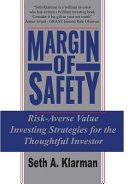
3. *Margin of Safety:* Margin of safety is the difference between the estimated intrinsic value and the current market value. By requiring a margin of safety to exist before investing, value investors can protect themselves from market volatility and minimize their investment risk.
### Applications: Case Studies
**Case Study: Company A**
Let's examine a fictional company, Company A, and illustrate the Buffett Formula in action.
*Intrinsic Value:* $150 per share
*Market Value:* $100 per share
*Margin of Safety:* $50 per share (Intrinsic Value - Market Value)
In this example, Company A would represent a sound investment opportunity based on the Buffett Formula. With a $50 margin of safety per share, investors can acquire a share with a 50% discount compared to its intrinsic value.
**Case Study: Company B**
*Intrinsic Value:* $110 per share
*Market Value:* $120 per share
*Margin of Safety:* -$10 per share (Intrinsic Value - Market Value)
Company B, however, does not meet the criteria for the Buffett Formula, presenting a negative margin of safety. An investment in Company B would result in the acquisition of a share at a 9% premium to its actual value, thereby representing an inherently riskier investment.
### Going Further: Implementing the Buffett Formula
1. Mastering Financial Statements: To apply the Buffett Formula, aspiring investors need to sharpen their financial statement analysis skills. Familiarity with key financial ratios and statements like balance sheets, cash flow statements, and income statements is essential for an accurate estimation of a company's intrinsic value.
2. Avoiding Common Pitfalls:
- Overestimating future growth: Forecasting revenue and earnings growth is a critical component of determining a company's intrinsic value. However, estimating growth too aggressively could lead to an inflated intrinsic value and increased risk.
- Underestimating industry tailwinds or headwinds: Identifying and considering macroeconomic trends and industry-specific factors is vital for entrepreneurs when evaluating the sustainability of a company's intrinsic value.
3. Fine-Tuning the Approach: An investor's risk tolerance and time horizon should influence their implementation of the Buffett Formula. Inversely, short-term traders may find the Buffett Formula excessively focused on long-term value and insufficiently sensitive to market volatility.
### Conclusion
The Buffett Formula is a cornerstone principle of value investing that encourages informed investment decisions. Students of finance and investing should strive to grasp intrinsic value, market value, and the margin of safety in-depth, and actively consider the examples and implementation guidance highlighted above. By refining their understanding of the Buffett Formula, prospective investors can minimize investment risk, maximize returns, and make more informed decisions.
Last updated: 2024-04-07
Related Books
Related Knowledges