# Businesses are Predictable: Understanding the Implications and Applications
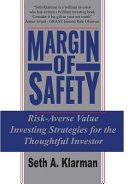
In the world of investing, one of the critical elements to keep in mind is that businesses are predictable. This concept is particularly emphasized in the book "Margin of Safety," written by Seth Klarman.
The idea behind this concept is that businesses experience patterns that can be identified, and investors can benefit from this predictability. By identifying and analyzing trends and patterns, investors can make informed decisions based on a business's past performance and industry trends. It's worth noting that this doesn't necessarily mean that future performance can be predicted with 100% accuracy, but it can increase the likelihood of making successful investment decisions.
Now, let's explore some examples and applications of this concept:
## Example 1: Predictable Revenue Patterns
One way businesses are predictable is through their revenue patterns. By analyzing a company's historical financial statements, investors can identify trends in revenue growth or decline. For example, a company that has consistently grown its revenue over the past five years, even during economic downturns, is more likely to continue growing in the future. Similarly, a company that has experienced a steady decline in revenue over the past few years is more likely to continue experiencing revenue decline unless there are significant changes in its business model or industry conditions.
## Example 2: Industry Trends and Regulations
Industry trends and regulations are also critical factors that impact business predictability. For instance, the healthcare industry experiences constant changes due to regulations, technological advancements, and demographic shifts. Investors who understand these trends and regulations can predict how a healthcare company will perform in the future. For example, a pharmaceutical company that has consistently invested in research and development of new medications is more likely to thrive in an industry that rewards innovation.
Moreover, understanding industry trends and regulations can help investors identify potential threats that may impact a company's performance. For instance, a manufacturing company that operates in an industry with increasing regulations and compliance costs is more likely to experience lower profit margins in the future.
## Practical Implications
The concept of business predictability has several practical implications for investors. First, it highlights the importance of conducting thorough research and analysis before making investment decisions. By analyzing a company's historical financial statements, industry trends, and regulatory environment, investors can predict how a business will perform in the future.
Second, it underscores the importance of having a margin of safety when making investment decisions. Since predicting future performance is not a guarantee, investors should build a margin of safety into their investment decisions by only investing in companies that have a significant margin of safety. This can be achieved by investing in companies that have a strong balance sheet, consistent profitability, and a strong competitive position in their industry.
## Conclusion
In conclusion, the concept of business predictability is a critical element for investors to understand. By analyzing a company's historical financial statements, industry trends, and regulatory environment, investors can predict how a business will perform in the future. Moreover, understanding business predictability highlights the importance of having a margin of safety when making investment decisions.
For further exploration of this topic, investors can research other investment books written by renowned investors and financial analysts. Additionally, they can attend investment seminars and workshops to learn more about business predictability and other essential investment concepts.
By understanding business predictability, investors can make informed decisions and increase their likelihood of achieving their investment goals.
Last updated: 2024-04-07
Related Books
Related Knowledges