### Mindreading Biases: An In-depth Exploration of Understanding Others
In the realm of social cognition, mindreading is a crucial skill that allows us to understand and predict the behavior of others. It involves the ability to attribute mental states, such as beliefs, desires, and intentions, to ourselves and others. However, our mindreading abilities are far from perfect and are often subject to various biases. In this exploration, we will delve into the concept of mindreading biases, drawing primarily from the works of Hugo Mercier and Dan Sperber in their book "The Enigma of Reason."
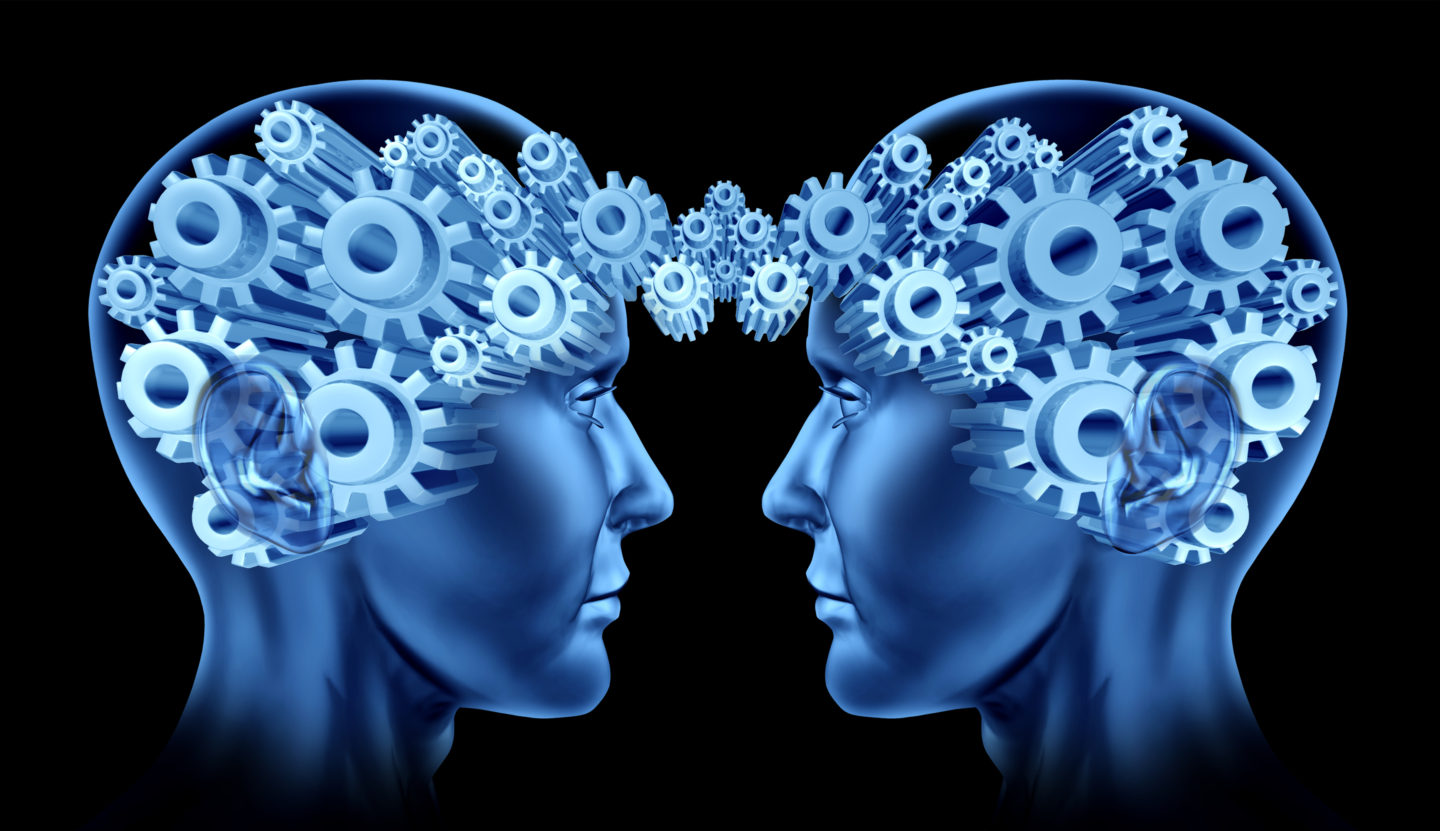
*Mindreading in social cognition*
#### What are Mindreading Biases?
Mindreading biases refer to the systematic errors and shortcomings in our ability to accurately infer the mental states of others. These biases stem from various factors, including our cognitive limitations, social contexts, and cultural backgrounds. By understanding these biases, we can gain valuable insights into the intricacies of social cognition and improve our interpersonal relationships.
#### Relevance of Mindreading Biases
Mindreading biases are highly relevant in various domains, including psychology, sociology, philosophy, and even artificial intelligence. By recognizing and addressing these biases, we can foster better communication, empathy, and collaboration. Moreover, understanding mindreading biases can help us become more aware of our own thought processes and challenge us to reassess our assumptions about others.
#### Core Concepts and Examples
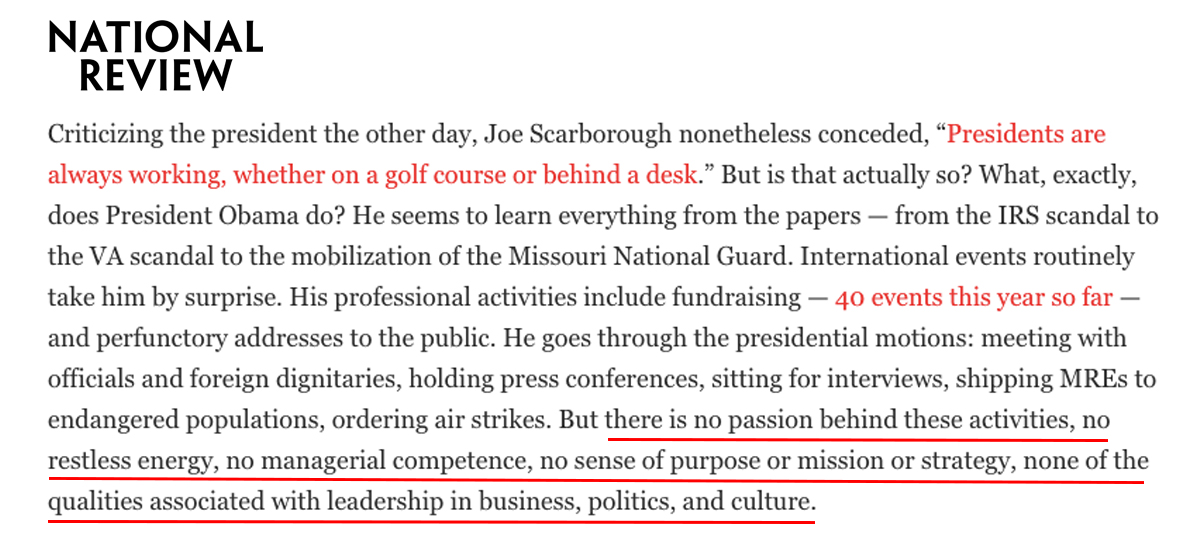
*Examples of mindreading biases*
1. **The Curse of Knowledge:** The curse of knowledge is a bias that occurs when individuals with extensive knowledge on a particular topic have difficulty considering or communicating with others who possess less knowledge. This bias can lead to misunderstandings, frustration, and even conflict.
*Example:* Alice has been studying physics for years, while Bob is a high school student with a basic understanding of physics. When Alice tries to explain a complex physics concept to Bob, she unknowingly uses jargon and skips crucial steps in her explanation. As a result, Bob fails to grasp the concept, and both become frustrated.
2. **The False Consensus Effect:** The false consensus effect is the tendency for individuals to overestimate the extent to which others share their beliefs, values, and opinions. This bias can result in miscommunication and unrealistic expectations in social situations.
*Example:* Charlie is an environmental activist who strongly believes in reducing meat consumption to combat climate change. He assumes that most people share his views and is taken aback when he discovers that many of his friends and family members do not agree with him.
3. **The Fundamental Attribution Error:** The fundamental attribution error is the inclination to overemphasize internal characteristics (such as personality traits) and underestimate external factors when explaining the behavior of others.
*Example:* During a group project, Emily consistently arrives late to meetings. Her team members assume that she is irresponsible and disorganized, without considering that her tardiness might be due to external factors, such as traffic or family obligations.
4. **The Actor-Observer Bias:** The actor-observer bias is the tendency to attribute our own actions to situational factors while attributing others' actions to their internal dispositions.
*Example:* When Alex fails an exam, he blames the difficult questions and the professor's teaching style. However, when his friend Bob fails the same exam, Alex assumes that Bob did not study enough.
#### Practical Implications and Further Exploration

*Implications of understanding mindreading biases*
By understanding mindreading biases, we can develop strategies to mitigate their impact on our social interactions. For instance, being aware of the curse of knowledge can encourage us to adapt our communication style to better suit our audience's knowledge level. Recognizing the false consensus effect can help us become more open-minded and empathetic towards others' perspectives.
Moreover, the study of mindreading biases has implications for various fields, such as education, healthcare, and organizational leadership. In education, understanding these biases can inform the development of more effective teaching strategies and learning materials. In healthcare, healthcare providers can enhance patient care by being mindful of these biases when communicating with patients and their families. In organizational leadership, leaders can foster more inclusive and collaborative work environments by addressing mindreading biases in decision-making processes.
To further explore the topic of mindreading biases, consider delving into related concepts such as:
* Confirmation bias: The tendency to search for or interpret information in a way that confirms one's pre-existing beliefs.
* Hindsight bias: The inclination to perceive past events as being more predictable than they actually were.
* The self-serving bias: The tendency to attribute successes to internal factors while attributing failures to external factors.
By deepening our understanding of mindreading biases and their implications, we can cultivate more nuanced perspectives, refine our social skills, and enrich our interpersonal relationships.
Last updated: 2024-03-20
Related Books

Related Knowledges