### Reasoning Promotes Misconceptions: Debunking the Myth of Pure Rationality
In the realm of cognitive psychology, the role of reasoning has long been considered a paragon of human intelligence. However, the book "The Enigma of Reason" by Hugo Mercier and Dan Sperber challenges this view and argues that reasoning is not primarily a tool for individual problem-solving or truth-seeking. Instead, it is a social tool that has evolved to help us argue, convince, and cooperate with others. In this lecture, we will delve into the idea that reasoning can promote misconceptions, thereby debunking the myth of pure rationality.

*The book "The Enigma of Reason" by Hugo Mercier and Dan Sperber*
#### The Argumentative Theory of Reasoning
Mercier and Sperber's argumentative theory of reasoning posits that human reasoning is fundamentally biased and prone to errors due to its social function. Reasoning is not an isolated, objective process, but rather, it is shaped by our social context, motivations, and cognitive biases. Consequently, reasoning can often lead us astray, fostering misconceptions and perpetuating false beliefs.

*The Argumentative Theory of Reasoning*
#### Reasoning and Confirmation Bias
One of the primary ways reasoning can promote misconceptions is through confirmation bias. Confirmation bias refers to the tendency to search for, interpret, and recall information in a way that confirms our preexisting beliefs. When we reason, we often seek evidence that supports our hypotheses while disregarding or dismissing contradictory evidence. This cognitive bias can lead us to construct and maintain misconceptions, as our reasoning processes are geared towards validating our beliefs rather than objectively evaluating the evidence.
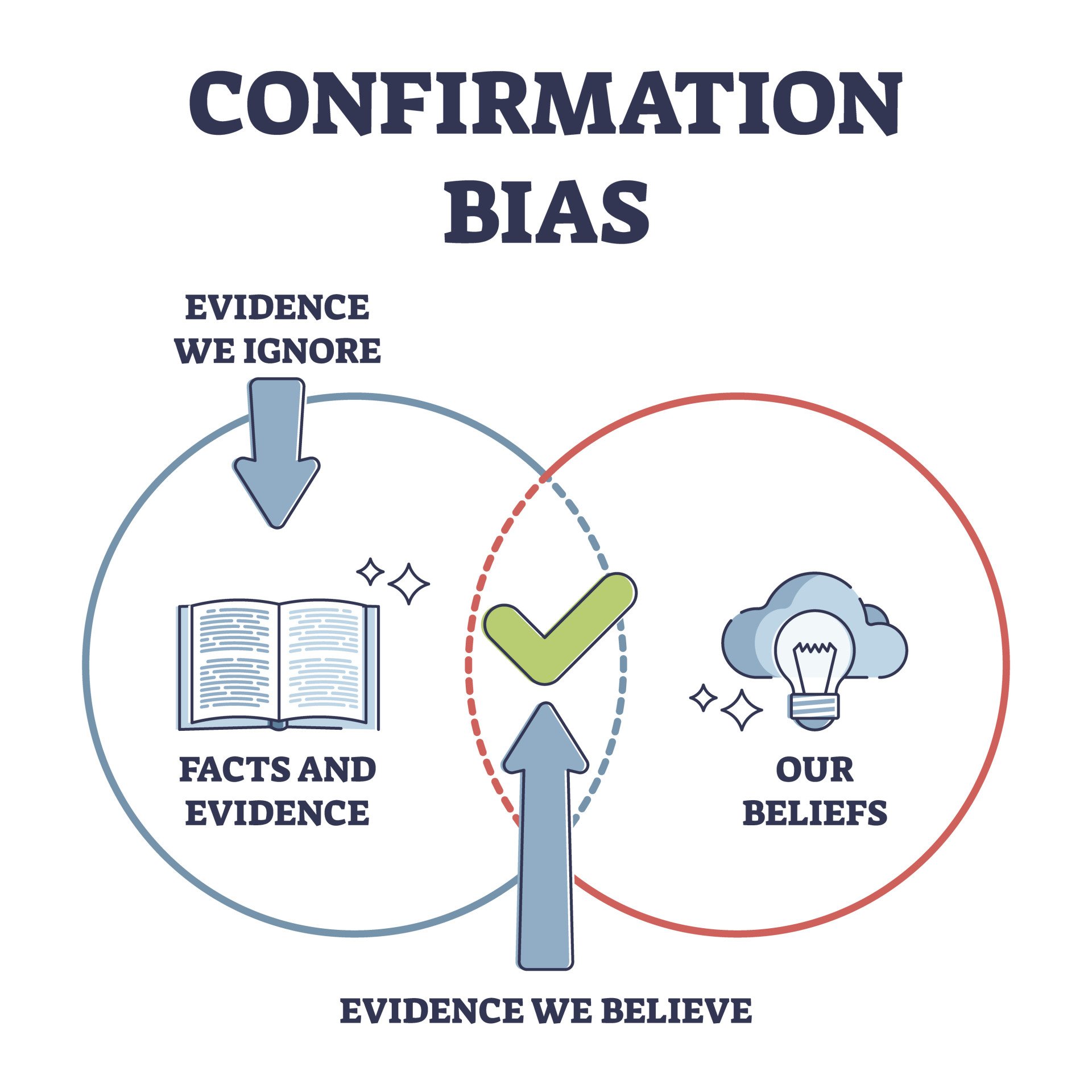
*Confirmation Bias*
Example 1: Political Beliefs and Confirmation Bias
Consider, for instance, the role of confirmation bias in political beliefs. Suppose a conservative individual holds the belief that tax cuts stimulate economic growth. When presented with evidence that supports this belief, such as a study showing increased GDP following tax cuts, they are likely to accept and remember this information. However, when confronted with evidence that contradicts their belief, such as a report indicating that tax cuts have led to income inequality, they may dismiss or discount this information, attributing it to bias or flawed methodology. In this way, reasoning can reinforce and perpetuate misconceptions by selectively attending to and interpreting evidence in a biased manner.
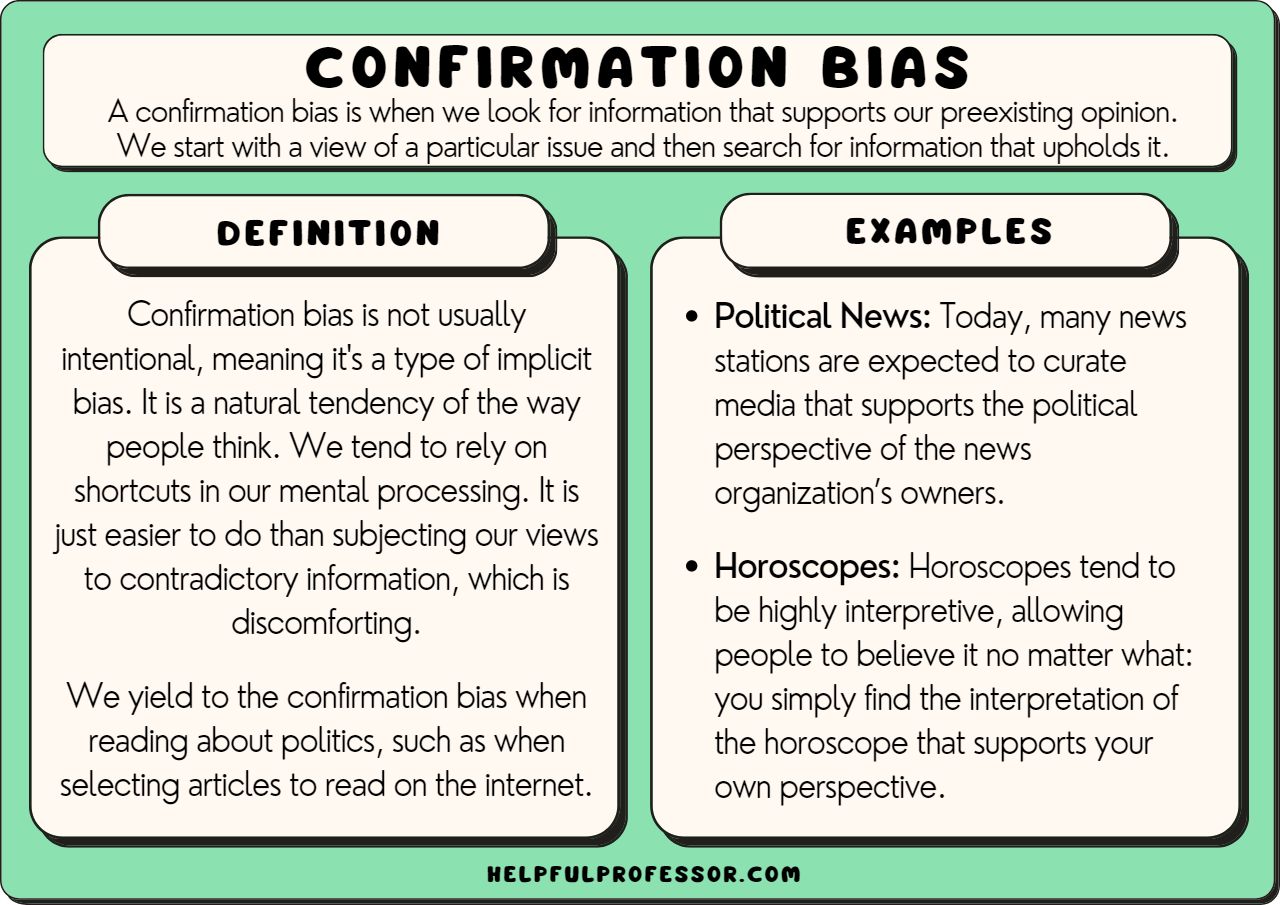
*Political Beliefs and Confirmation Bias*
#### Reasoning and Motivated Reasoning
Another mechanism by which reasoning can promote misconceptions is through motivated reasoning. Motivated reasoning refers to the process of adjusting our beliefs and arguments to achieve a particular emotional outcome or to maintain a positive self-image. When our deeply held beliefs are challenged, we may engage in motivated reasoning to protect our self-esteem or avoid cognitive dissonance. This can result in the formation and perpetuation of misconceptions, as we distort reality to maintain our preferred worldview.
*Motivated Reasoning*
Example 2: Climate Change Denial and Motivated Reasoning
A notable example of motivated reasoning can be observed in the context of climate change denial. Despite the overwhelming scientific consensus on anthropogenic climate change, some individuals continue to deny its existence or downplay its significance. This denial can be driven by various factors, such as political ideology, economic interests, or social identity. For instance, an individual who identifies as a conservative and values economic growth may engage in motivated reasoning to reject the evidence on climate change, as accepting it would require them to abandon their political beliefs or support costly regulations. In this case, reasoning can foster misconceptions by distorting the evidence to maintain a desired self-image or worldview.

*Climate Change Denial and Motivated Reasoning*
#### Reasoning and the Illusion of Understanding
A third way reasoning can promote misconceptions is by creating an illusion of understanding. When we engage in reasoning, we often feel that we have gained a deeper understanding of the issue at hand. However, this feeling of understanding can be misleading, as our reasoning processes may have overlooked critical complexities or nuances. This can result in the formation of misconceptions, as we mistake our simplified, incomplete mental models for accurate representations of reality.

*The Illusion of Understanding*
Example 3: Economic Fallacies and the Illusion of Understanding
An illustrative example of the illusion of understanding can be found in various economic fallacies. For instance, the "broken window fallacy" refers to the mistaken belief that destruction can stimulate economic growth. The fallacy arises from a simplified, incomplete reasoning process that overlooks the opportunity costs and broader economic implications of the destruction. While it may seem intuitive that the destruction creates jobs and economic activity, this reasoning ignores the fact that the resources used for repair or replacement could have been employed elsewhere in the economy, potentially generating even greater value. In this case, reasoning can foster misconceptions by creating an illusion of understanding that overlooks crucial aspects of the issue.

*Economic Fallacies and the Illusion of Understanding*
#### Conclusion
In conclusion, the idea that reasoning promotes misconceptions challenges the traditional view of human rationality as a pure, objective process. By examining the argumentative theory of reasoning, confirmation bias, motivated reasoning, and the illusion of understanding, we have seen how reasoning can foster misconceptions and perpetuate false beliefs. These insights not only deepen our understanding of the limitations of human reasoning but also highlight the importance of cultivating intellectual humility, open-mindedness, and a commitment to evidence-based inquiry.
To further explore the topic, you may consider delving into the role of education in mitigating cognitive biases, the impact of group dynamics on reasoning and misconceptions, or the potential of artificial intelligence and machine learning in facilitating more objective reasoning processes. By critically examining the interplay between reasoning and misconceptions, we can not only enhance our understanding of human cognition but also develop strategies to promote more accurate, informed thinking in various domains of life.
Last updated: 2024-03-20
Related Books
Related Knowledges