Unfavorable Betting Bias: Making Sense of Randomness and Skill
=========================================================

*Cover of Fooled by Randomness by Nassim Nicholas Taleb*
In Nassim Nicholas Taleb's groundbreaking book, *Fooled by Randomness: The Hidden Role of Chance in Life and in the Markets*, the author introduces the concept of 'unfavorable betting bias' to help us understand the complex interplay between randomness, luck, and skill. This idea is crucial for making informed decisions in a wide range of fields, from finance and economics to sports and gaming.
Core Concepts and Relevance
----------------------------
Unfavorable betting bias refers to the tendency of individuals to systematically overestimate the probability of positive outcomes in a series of random events. This cognitive bias can lead to poor decision-making and suboptimal strategies, as people may be drawn to bets or investments with unfavorable odds, believing they have a better chance of winning than they actually do.
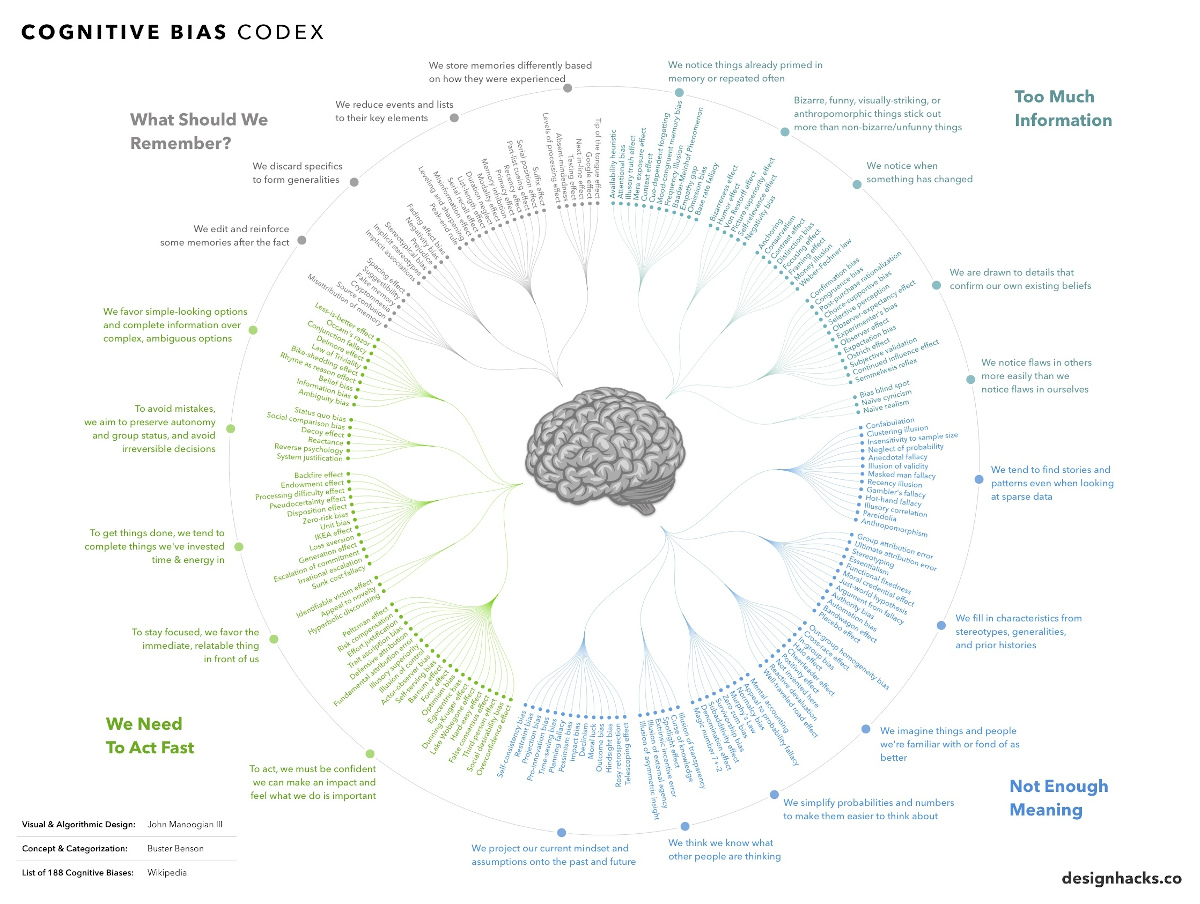
*Understanding Cognitive Biases*
The concept of unfavorable betting bias is particularly relevant in today's data-driven world, where we are constantly inundated with information and statistics. As Taleb explains, our brains are wired to seek patterns and causal relationships, even when they do not exist. This can lead us to attribute success or failure to skill, rather than randomness, and to make decisions based on incomplete or misleading data.
Examples and Applications
------------------------
### 1. Gambler's Fallacy in Craps
A classic example of unfavorable betting bias can be observed in the casino game of craps. In this game, players bet on the outcome of a pair of dice. One common bet is the 'pass line' bet, where players wager that the shooter (the person rolling the dice) will roll a 7 or 11 on the first roll (the 'come out' roll). If the shooter rolls a 2, 3, or 12, the pass line bet loses. If any other number is rolled, that number becomes the 'point,' and the shooter must roll that number again before rolling a 7 for pass line bets to win.

*Craps Table Layout*
Many players believe that if a point is rolled multiple times without being rolled again, it becomes 'due' or 'hot,' and is more likely to be rolled. This belief is known as the gambler's fallacy, and it is a manifestation of unfavorable betting bias. In reality, the probability of rolling a specific number on a pair of dice remains constant, regardless of previous rolls. As a result, players who believe a point is 'due' may continue to bet on the pass line, even though the odds are not in their favor.
### 2. Stock Market Speculation
Unfavorable betting bias can also have significant implications in the stock market. Investors often attempt to predict market trends and make decisions based on past performance, assuming that historical trends will continue into the future. However, as Taleb argues, the stock market is inherently unpredictable and subject to extreme events (or 'Black Swans') that can upend even the most carefully laid plans.
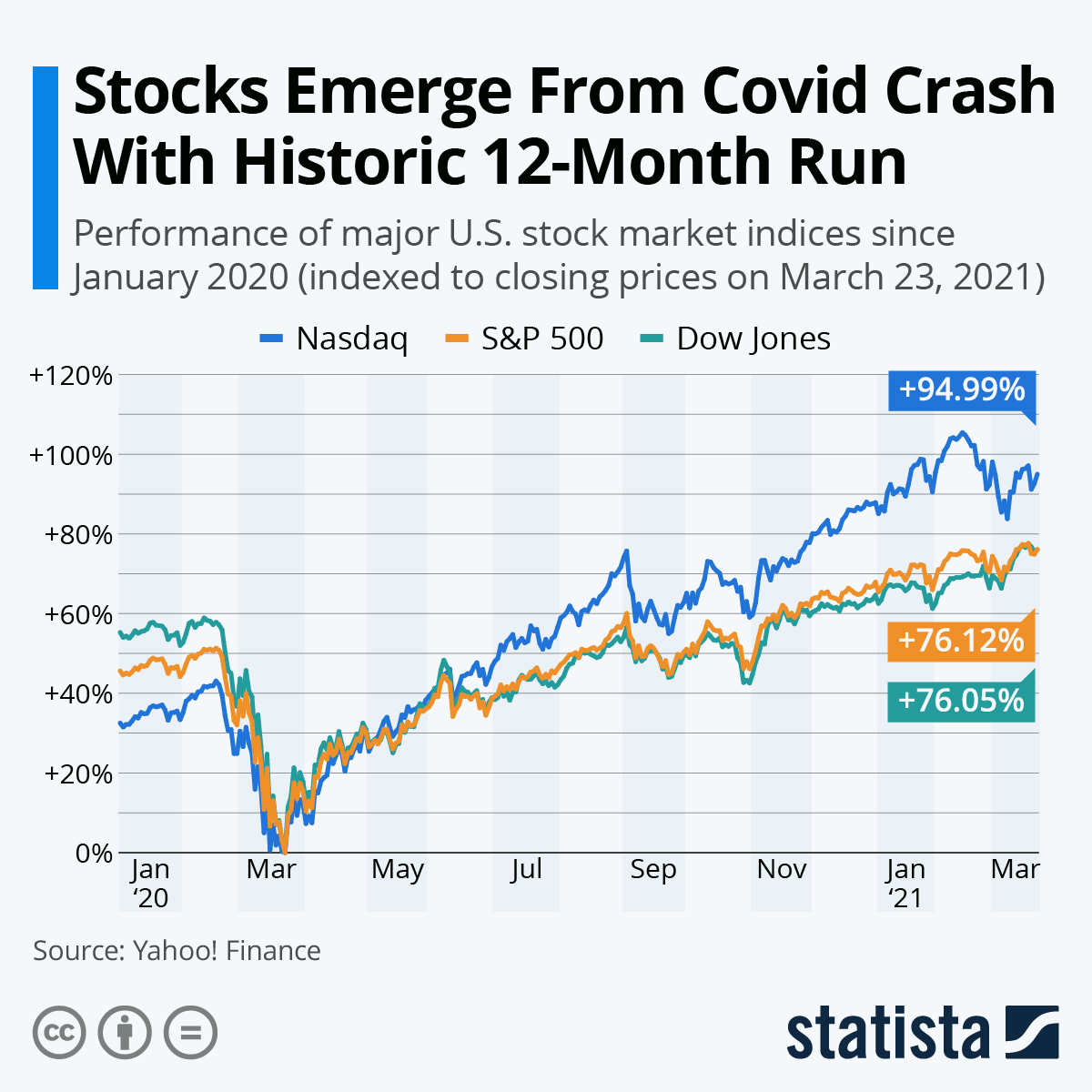
*Stock Market Trends and Predictions*
For example, consider an investor who believes that a particular stock is 'due' for a rebound after a period of poor performance. The investor may continue to buy shares of the stock, even as its value continues to decline, believing that the stock is 'oversold' and will eventually recover. However, if the stock's poor performance is due to underlying issues with the company, such as mismanagement or financial difficulties, the investor may be making an unfavorable bet based on an incomplete understanding of the situation.
Key Insights and Further Exploration
-----------------------------------
The concept of unfavorable betting bias highlights the importance of understanding the role of randomness and chance in decision-making. By recognizing our own cognitive biases and seeking to make more informed, data-driven decisions, we can avoid the pitfalls of unfavorable betting bias and improve our chances of success in a variety of fields.
To further explore the topic of unfavorable betting bias and its implications, consider the following questions and resources:
* How can we effectively distinguish between skill and luck in various domains, such as sports, finance, and politics?
* What strategies can we employ to mitigate the effects of unfavorable betting bias in our decision-making processes?
* How can we better educate individuals about the role of randomness and chance in life and the markets?
By delving deeper into these questions and others like them, we can gain a more nuanced understanding of the complex interplay between randomness, skill, and decision-making, and develop the tools and strategies needed to make more informed, effective choices in a rapidly changing world.
Last updated: 2024-03-19
Related Books

Related Knowledges