# Systemic Failure: An In-Depth Exploration
Systemic failure is a critical concept that transcends disciplines, illuminating the inherent vulnerabilities in complex systems - from finance to ecology, from organizational structures to human cognition. At its core, systemic failure occurs when the interconnected components of a system are disrupted, leading to the malfunctioning of the whole system, often unexpectedly and with widespread consequences. The insights of Nassim Nicholas Taleb in his seminal work, "Fooled by Randomness," provide a profound understanding of how randomness and human misunderstanding of probability contribute to systemic failures. This exploration aims to dissect the essence of systemic failures, adorned with examples from diverse fields, to foster a deep and contextual understanding for college students.
[](https://www.thesciencebreaker.org/storage/breaks/images/network-resuscitation-pumping-life-into-a-failed-complex-system/network-resuscitation-pumping-life-into-a-failed-complex-system.jpeg)
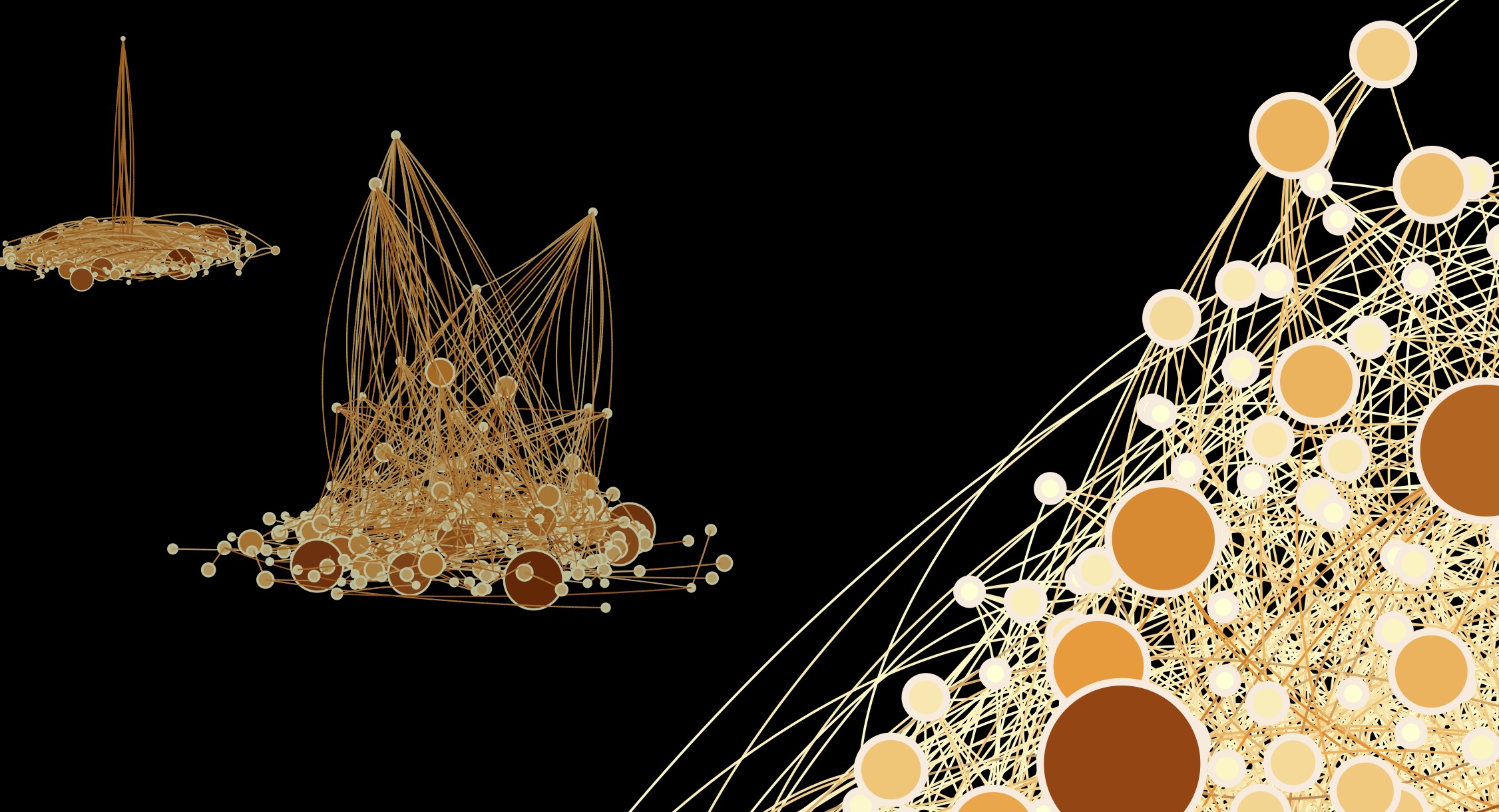
*Complex network illustrating systemic failure*
## Understanding Systemic Failure and Its Underpinnings
Systemic failure stems from the complex interdependencies within systems, where the failure of a single component can precipitate a cascading effect, leading to the breakdown of the entire system. It highlights a paradox: while systems are designed for efficiency and robustness, their interdependent nature often makes them vulnerable to unexpected shocks. Taleb's work primarily underscores the role of randomness and human fallibility in precipitating such failures, suggesting that our inability to fully grasp the probability of rare events ('black swan events') and our tendency to linearize nonlinear phenomena contribute significantly to systemic failures.
### Examples Across Disciplines
1. **Financial Systems:** Perhaps the most illustrative example of systemic failure lies in the global financial crisis of 2008. This event underscored how interconnectedness, complexity, and the underestimation of risks within financial systems can lead to catastrophic outcomes. Taleb’s theories explain how the failure to account for rare, high-impact events, compounded with systemic leveraging and dependencies (such as banks' interconnected debts), led to a domino effect of failures across the global economy.
[](https://www.investopedia.com/thmb/1ct4l03zPw_-STbF8BREGkgBt5w=/1500x0/filters:no_upscale%28%29:max_bytes%28150000%29:strip_icc%28%29/great-recession_sourcefile-1-26478e8a0b5e48ce9df18f92cc991a7e.jpg)
*Global Financial Crisis 2008*
2. **Ecosystem Collapse:** Another poignant example can be found in environmental science, particularly in the collapse of ecosystems. The decline of a single keystone species, due to factors such as climate change or habitat destruction, can lead to the unravelling of entire ecosystems. This exemplifies systemic failure by highlighting how the loss of biodiversity - often underestimated in its importance - can have profound, unpredictable impacts on ecological balance and functionality.
[](https://mediaproxy.salon.com/width/1200/https://media2.salon.com/2023/07/deflated_globe_1308740742.jpg)
*Ecosystem collapse example*
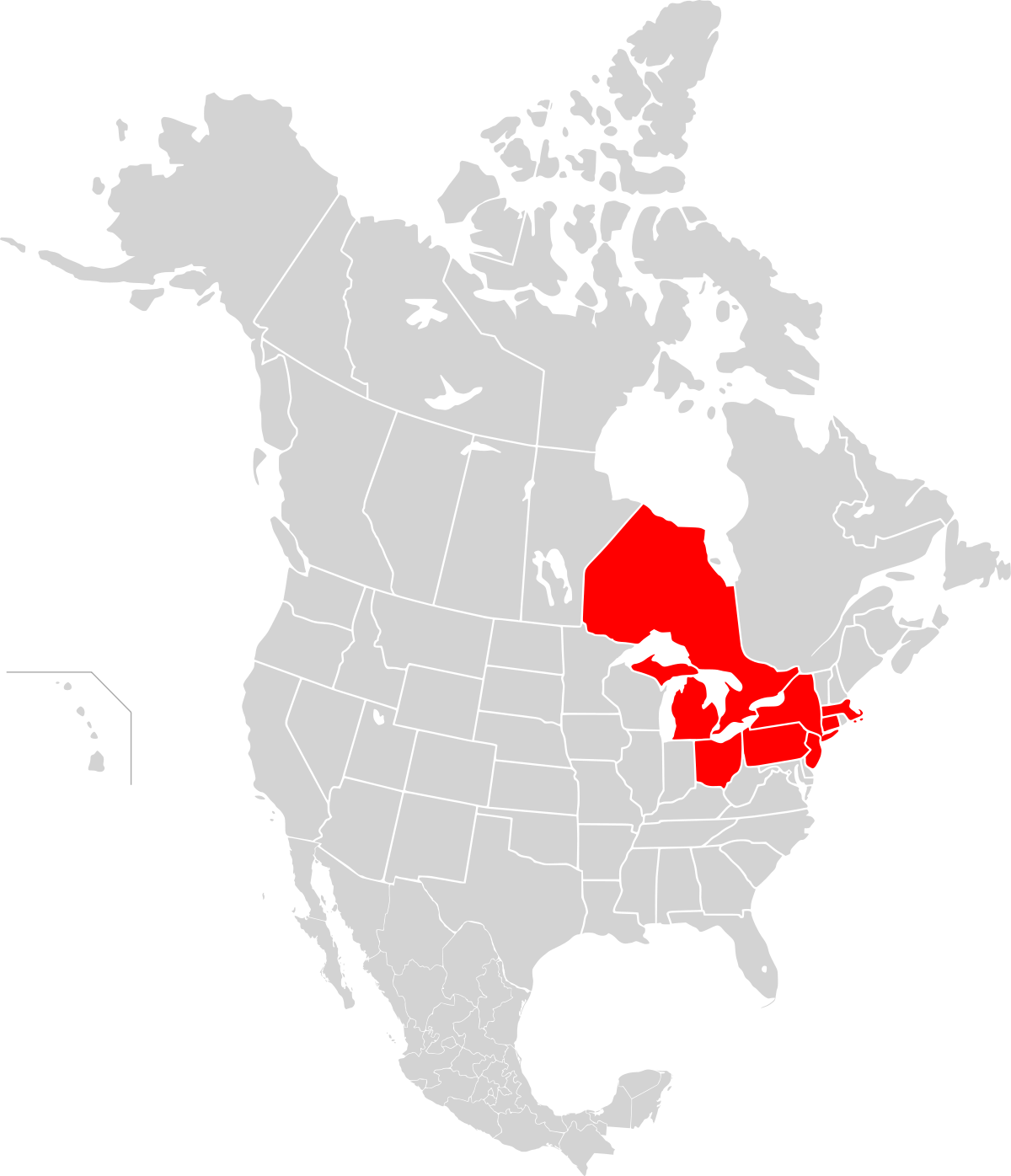
3. **Technological Systems:** The concept of systemic failure also applies to technological networks, such as power grids or the internet. For instance, the 2003 Northeast Blackout in the United States and Canada was a result of a small, poorly maintained section of the electricity network failing, which cascaded into a widespread blackout affecting millions. This incident reminds us of the fragile underpinnings of our seemingly robust technological infrastructures.
[](https://upload.wikimedia.org/wikipedia/commons/thumb/e/eb/Map_of_North_America%2C_blackout_2003.svg/1200px-Map_of_North_America%2C_blackout_2003.svg.png)
*2003 Northeast Blackout*
4. **Healthcare Systems:** The COVID-19 pandemic has laid bare the systemic vulnerabilities within global healthcare systems and supply chains. Taleb’s discussion on randomness becomes particularly relevant as the inability of many countries to predict the timing and severity of the pandemic led to overwhelmed healthcare facilities, shortages of essential medical supplies, and a global scramble to mitigate the effects of the virus. This reflects a systemic underestimation of risk and lack of preparedness for low-probability, high-impact events.
[](https://ars.els-cdn.com/content/image/1-s2.0-S1871402120302058-gr1.jpg)
*COVID-19 impact on healthcare systems*
## Key Insights and Reflections
From the exploration of systemic failure across different contexts, several key insights emerge:
- **Interconnectedness and Complexity:** At the heart of systemic failures is the intricate web of dependencies within systems. While these connections often enhance efficiency and functionality, they also render systems susceptible to chain-reaction failures from single points of vulnerability.
- **The Illusion of Control:** Taleb's critique extends to the human overconfidence in controlling complex systems. This overconfidence, fueled by a misunderstanding of randomness and underestimation of rare events, often leads to inadequate safeguards against systemic failures.
- **The Importance of Resilience:** An essential countermeasure to systemic failure is building resilience into systems. This involves not just strengthening individual components but also enhancing the system's capacity to adapt and recover from shocks, thereby acknowledging and preparing for the inevitability of randomness and unforeseen events.
### Further Exploration
To deepen the understanding of systemic failure and its implications, students can explore several avenues:
- **Multidisciplinary Approaches:** Investigating systemic failures through the lens of different disciplines helps appreciate the universality and diversity of the concept. Comparative studies across financial systems, ecological models, and technological networks can provide richer insights.
- **Case Studies on Resilience:** Examining case studies where systems have successfully withstood or recovered from failures can shed light on effective strategies for resilience-building.
- **Mathematical and Computational Modeling:** Engaging with mathematical and computational models to simulate scenarios of systemic failure and resilience offers a concrete method to understand the dynamics and potential mitigations of such events.
In conclusion, the exploration of systemic failure through the perspectives offered in "Fooled by Randomness" illuminates the critical importance of understanding randomness, interdependencies, and human biases in the context of complex systems. By learning from past failures and fostering resilience, we can aspire to design systems that are not only efficient but robust in the face of the unpredictable whims of chance.
Last updated: 2024-03-31
Related Books

Related Knowledges