Silent Evidence: The Hidden Impact on Decision Making
====================================================
[](https://upload.wikimedia.org/wikipedia/commons/9/9b/Taleb_mug.JPG)
*Nassim Nicholas Taleb*
In his book *Fooled by Randomness*, Nassim Nicholas Taleb introduces the concept of 'silent evidence' to describe the hidden information that may significantly influence our understanding of processes, results, and decision-making. Understanding silent evidence is crucial, as it helps mitigate potential biases and allows us to make more informed and objective assessments.
Defining Silent Evidence
------------------------
[](https://cf-images.us-east-1.prod.boltdns.net/v1/jit/6169276219001/f732660d-e431-46a8-8d60-bb5b52f1d0f7/main/1200x630/45m29s984ms/match/image.jpg)
*Silent Evidence Concept Illustration*
Silent evidence represents unseen or unrecognized outcomes of processes, events, or data points that may impact the way we interpret and analyze information. These missing pieces of information form the 'silent' component, which, if known, could significantly alter our initial conclusions and understanding.
Relevance of Silent Evidence
----------------------------
Silent evidence plays a crucial role in various disciplines, such as finance, politics, medicine, engineering, and science. Acknowledging the existence of silent evidence is essential for critical thinking and evidence-based approaches. By recognizing the impact of silent evidence, we can:
1. Minimize potential biases
2. Improve decision-making
3. Enhance interpretations of findings
4. Encourage a more comprehensive perspective
[](https://www.slideegg.com/image/catalog/700953-Decision%20Making%20Process%20Infographic%20PowerPoint.png)
*Decision Making Process*
### Real-world Examples
#### Example 1: Investment Strategies
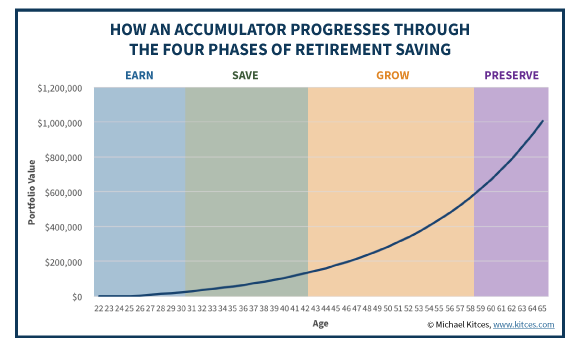
Imagine an investment manager comparing the performance of two strategies: one based on momentum (purchasing assets with increasing value) and one based on the value factor (investing in undervalued assets). Upon review, the value strategy had a significantly lower return over the past year. However, the momentum strategy had only two winning years in the past decade compared to the value strategy's five winning years.
[](https://images.squarespace-cdn.com/content/v1/5a60cb144c0dbf811647fce8/1518813302602-FXDVERCV7BWOBP27DIZ5/Graph-for-Andrews-blog-Aug-1-2017.png)
*Financial Investment Strategies Comparison*
This is an example of silent evidence, where a single year (20XX) with no winning years for the value strategy is missing. This missing data influences the interpretation of relative performance and introduces bias towards the momentum strategy.
#### Example 2: Drug Trials
In drug trials, pharmaceutical companies often report favorable results while ignoring the unpublished trials with negative or inconclusive outcomes. This practice hides important silent evidence, leading to an inaccurate understanding of the drug's true efficacy and safety.
[![PDF\] The problem of bias in medical research and its relationship ...](https://d3i71xaburhd42.cloudfront.net/27139b55fcdbea0347c2c824182c59ead5547f20/18-Table1-1.png)](https://d3i71xaburhd42.cloudfront.net/27139b55fcdbea0347c2c824182c59ead5547f20/18-Table1-1.png)
*Drug Trial Analysis*
#### Example 3: Traffic Accidents
Consider police investigating the causes of traffic accidents in a particular city. Upon analyzing crash data, the investigators may find that more accidents involve taxi drivers than any other single group. However, it's crucial to consider silent evidence, such as the potential number of miles each group drives or total time spent on the roads.
[](https://media.licdn.com/dms/image/D5612AQEMnPLsuX-Ehg/article-cover_image-shrink_720_1280/0/1710166059427?e=2147483647&v=beta&t=6klR6djhN69Yfr3r2_kCtbEBVKo3zk5gTF0Db-CmEX4)
*Traffic Accident Analysis*
Key Insights
------------
1. Silent evidence significantly shapes the interpretation of processes, outcomes, and decision-making.
2. Identifying and considering silent evidence can improve objectivity and reduce potential biases.
3. Acknowledging silent evidence should be an integral part of analytical and decision-making processes.
Further Exploration
------------------
As college students, consider the following avenues for further exploration of the topic:
1. Compile a collection of real-world examples of silent evidence in various disciplines.
2. Write a case study report on the consequences of ignoring silent evidence in a specific domain, such as finance, medicine, or engineering.
3. Create a presentation on the psychological factors that contribute to the presence and persistence of silent evidence.
4. Investigate the role of emerging technology (such as blockchain or artificial intelligence) in uncovering silent evidence.
Conclusion
----------
Silent evidence is a powerful concept that can significantly influence decision-making and interpretation of information. By understanding and addressing silent evidence, we can reduce potential biases and work towards a more holistic and objective understanding of the world around us. College students can benefit from incorporating silent evidence in their analytical, critical thinking, and decision-making processes, ultimately contributing to a more comprehensive and insightful education.
Last updated: 2024-06-01
Related Books

Related Knowledges