# Manipulation and Control in George Orwell's Animal Farm: An In-depth Analysis
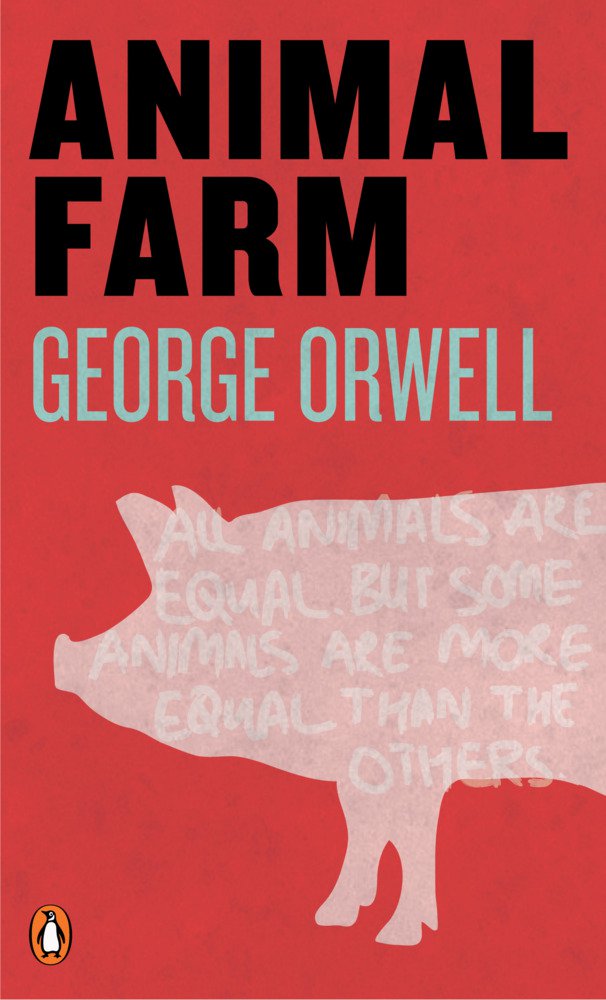
[](https://m.media-amazon.com/images/I/71je3-DsQEL._AC_UF1000,1000_QL80_.jpg)
*Cover of George Orwell's Animal Farm*
## Introduction
George Orwell's classic novel, *Animal Farm*, explores themes of power, manipulation, and control through the story of a group of farm animals who revolt against their human farmer, only to eventually replicate the very systems of oppression they initially sought to overthrow. This article will delve into the concept of manipulation and control in the novel, analyzing the ways in which the pigs, particularly Napoleon and Snowball, exert their influence over the other animals, and the tragic consequences that result.
## The Core Concepts of Manipulation and Control in Animal Farm
At its heart, *Animal Farm* is a cautionary tale about the ease with which power can be consolidated and abused. The pigs, initially seen as the intellectual leaders of the animal revolution, gradually manipulate and control the other animals through a combination of propaganda, fear, and manipulation of language. This process is gradual and insidious, and the other animals often fail to recognize the extent of their own exploitation until it is too late.
### Propaganda and Fear
[](https://images.squarespace-cdn.com/content/v1/5554dd59e4b091b70a73617c/1615585330868-0E847E9NC3RTQ7O822H1/AF+Aya.jpg)
*Illustration of the pigs using propaganda*
One of the primary methods of manipulation employed by the pigs is the use of propaganda and fear to control the other animals. The pigs construct a series of slogans and commandments that are intended to reinforce their authority and maintain order among the animals. These slogans, such as "All animals are equal, but some animals are more equal than others," become increasingly hollow and manipulative as the pigs consolidate their power.
In addition to propaganda, the pigs also utilize fear to control the other animals. This is most evident in the episodes involving the dogs, who are trained as Napoleon's personal enforcers. The presence of these snarling, aggressive animals serves as a constant reminder of the consequences of disobedience, and the animals live in a state of near-constant fear of incurring Napoleon's wrath.
[](https://kittychow-animalfarm.weebly.com/uploads/1/7/7/4/17741641/641931403_orig.jpg?232)
*Illustration of fear used as control in Animal Farm*
### Manipulation of Language
Another critical aspect of manipulation and control in *Animal Farm* is the pigs' manipulation of language. The pigs consistently rewrite and reinterpret the commandments to suit their needs, often in blatant contradiction to the original principles of Animalism. This deliberate obfuscation of language allows the pigs to maintain their power by creating confusion and disagreement among the other animals.
[](https://schoolworkhelper.net/wp-content/uploads/2017/11/Animal-Farm-cover.jpg)
*Manipulation of language in Animal Farm*
Furthermore, the pigs adopt human characteristics and behaviors, such as walking upright, wearing clothes, and carrying whips. This adoption of human traits serves to further distance the pigs from the other animals, reinforcing their superior status and exerting control through the power of example.
## Practical Implications: Examples and Applications
The themes of manipulation and control in *Animal Farm* have numerous practical implications and can be seen reflected in various real-world situations. Two such examples include political manipulation and corporate control.
### Political Manipulation
In politics, manipulation and control are often employed by leaders to maintain power and influence. This can take the form of propaganda, fear-mongering, and manipulation of language, much like in *Animal Farm*. Politicians may use emotionally charged rhetoric to appeal to their base, exploiting fear and prejudice to maintain support and control.
Moreover, political leaders can manipulate language and reinterpret rules and laws to suit their needs, much as the pigs do in the novel. This linguistic manipulation can create confusion and disagreement among the populace, making it easier for leaders to push through undesirable policies or consolidate power.
### Corporate Control
In the corporate world, manipulation and control are often used by companies to exert influence over consumers and employees. Companies may use propaganda and targeted advertising to shape public opinion and create demand for their products. They may also exploit fear, either by creating a sense of urgency around a product or by fostering a culture of fear within the company itself.
Furthermore, corporations can manipulate language to obscure unethical practices or mislead consumers. This can involve using ambiguous language in contracts, hiding crucial information in fine print, or redefining terms to suit the company's needs. By controlling the narrative in this way, corporations can maintain their power and influence over both their employees and their customers.
## Key Insights and Further Exploration
The exploration of manipulation and control in *Animal Farm* offers several key insights for college students. These include:
1. The insidious nature of power: Power can be consolidated and abused gradually, often going unnoticed until it is too late.
2. The importance of clear communication: Manipulation and control often rely on obfuscation and confusion. Clear, transparent communication can help prevent the exploitation of language for nefarious purposes.
3. The dangers of unchecked authority: Unchecked power can lead to corruption and abuse. It is essential to maintain checks and balances to prevent the concentration of authority in the hands of a few.
To further explore the topic of manipulation and control, students may consider researching other works by George Orwell, such as *1984*, or examining historical and contemporary examples of manipulation and control in politics, society, and culture. By deepening their understanding of these concepts, students can become more critically engaged citizens, better equipped to recognize and resist manipulation and control in their own lives.
Last updated: 2024-06-22
Related Books
Related Knowledges