# Animal Farm Degradation: A Study of Power and Corruption in George Orwell's Animal Farm
[](https://m.media-amazon.com/images/I/71je3-DsQEL._AC_UF1000,1000_QL80_.jpg)
*Cover of George Orwell's Animal Farm*
## Introduction
George Orwell's Animal Farm, published in 1945, is a classic dystopian novel that explores themes of power, corruption, and the manipulation of language. The story is an allegory of the Russian Revolution, where a group of farm animals overthrow their human master and attempt to create a utopian society based on the principles of "Animalism." As the animals work towards their ideals of "All animals are equal," the pigs, who assume leadership roles, gradually accumulate more power, eventually replicating the very system they sought to replace.
[](https://image.slidesharecdn.com/isanimalfarmanallegorytotherussian-201221182136/85/Is-Animal-Farm-an-allegory-to-the-Russian-revolution-3-320.jpg)
*Allegory of the Russian Revolution*
One of the central themes of Animal Farm is the degradation of the farm and the corruption of the initial ideals. This process illustrates how even the best-intentioned leaders can become tyrants when they prioritize power over values. This idea remains relevant today in our political, social, and corporate spheres. In this educational content, we will delve into the degradation of Animal Farm and its contemporary implications.
## The Downfall of Animal Farm: Practical Implications
### I. The Degradation of the Farm and the Power of Persuasion
As the pigs gain more authority, they gradually alter the rules and commandments of Animalism to suit their own needs. By manipulating language and exploiting the trust and ignorance of the other animals, the pigs eventually assume near-absolute power.
This situation reflects real-world instances where those in power use persuasion and manipulation to alter narratives in their favor. For example, political leaders often use rhetoric to sway public opinion and create an atmosphere conducive to their agenda, even if it's detrimental to the public good. Similarly, in corporations, executives may use language and control of information to shape employees' perceptions and conceal unethical practices.
### II. Napoleon's Rise to Power: Ambition, Corruption, and Propaganda
[](https://upload.wikimedia.org/wikipedia/commons/9/93/Adelaide_champion_Berkshire_boar_2005.jpg)
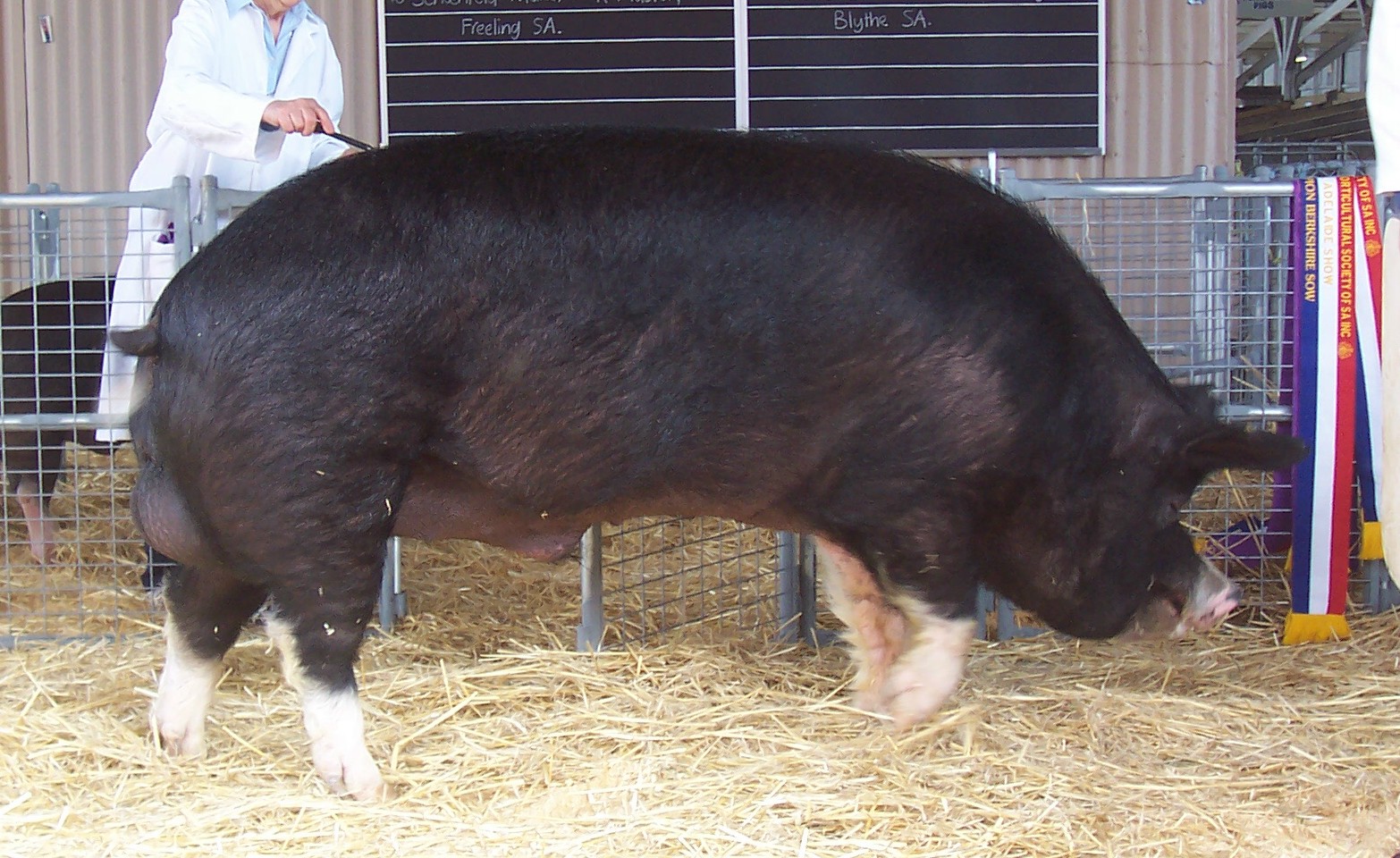
*Napoleon the pig from Animal Farm*
The ascent of Napoleon, one of the pigs, to become the farm's dictator demonstrates how ambition and corruption can dismantle a once-egalitarian society. Napoleon employs propaganda and fear tactics, including the manipulation of the educational system and elimination of perceived threats, to centralize power and suppress dissent.
Parallels can be drawn to historical political figures who used propaganda and censorship to manipulate citizens and enforce their vision. For instance, Hitler and Stalin are infamous for their use of propaganda and terror tactics to control information and eliminate opposition. This phenomenon is not limited to politics; religious and corporate institutions can also utilize propaganda and censorship to maintain power and compliance.
### III. Animal Farm's Economic Degradation: Profiteering and Inequality
The animals' living conditions on Animal Farm worsen as the pigs co-opt resources for their benefit. By controlling production and appropriating the lion's share of the profits, the pigs create a vast wealth gap between themselves and the rest of the animals.
[](https://www.investopedia.com/thmb/Q0NCXv1iSIi9edd36opDXvxvRRQ=/1500x0/filters:no_upscale%28%29:max_bytes%28150000%29:strip_icc%28%29/income-inequality.asp-Final-274ca61a88f043e1b2f1ce02167fe944.jpg)
*Income Inequality*
This widening economic disparity mirrors contemporary issues of income inequality and profit distribution, both in the workforce and between developed and developing nations. This situation can lead to labor exploitation and class struggles. Similar to the animals on Animal Farm, workers and marginalized groups can find themselves disenfranchised by an unbalanced economic system.
## Conclusion
George Orwell's Animal Farm offers a rich starting point for exploring the degeneration and corruption of power. Analyzing the decline of Animal Farm and observing its real-world implications promote a deep understanding of the dynamics that shape our world.
To further explore this topic, one could consider the following:
1. Researching current events, political speeches, social media, and publications for examples of persuasive language and propaganda.
2. Examining contemporary issues of income inequality and profit distribution in different economic systems.
3. Investigating the role of education in shaping beliefs and perceptions, particularly in relation to political ideologies, economic systems, and the power dynamics within them.
By critically examining the world through the lens of Animal Farm's degradation, we can embrace a crucial step towards becoming conscious and responsible citizens, committed to enacting change and fostering a more equitable society.
Last updated: 2024-06-23
Related Books
Related Knowledges