# Hypocrisy Exposed: An In-Depth Exploration from Animal Farm
[](https://m.media-amazon.com/images/I/71je3-DsQEL._AC_UF1000,1000_QL80_.jpg)
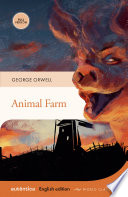
*Cover of George Orwell's Animal Farm*
George Orwell's _Animal Farm_ is a powerful allegory that exposes the dangers of totalitarian regimes and the corruption of revolutionary ideals. At its core, the novel is a critique of how leaders can manipulate and misuse ideologies for their benefit, often at the expense of the people they lead. One of the most prominent themes in the book is hypocrisy—specifically, how the ruling class, led by Napoleon, uses hypocrisy as a tool for maintaining power. By examining the various ways in which hypocrisy is exposed in the novel, we can not only better understand the work itself but also gain valuable insights into the workings of corrupt systems and the manipulation of language.
## The Seven Commandments and the Principle of "All Animals Are Equal"
Central to the novel's exploration of hypocrisy is the subversion of the Seven Commandments and the principle of "All animals are equal." These principles, initially established to promote a fair and equitable society among the animals on the farm, are gradually twisted and manipulated by Napoleon and his cohorts.
[](https://ih1.redbubble.net/image.678545653.8333/flat,750x,075,f-pad,750x1000,f8f8f8.u4.jpg)
*The Seven Commandments board from Animal Farm*
For instance, one of the Seven Commandments is "No animal shall kill any other animal." This rule is intended to ensure that the animals treat each other with respect and avoid the violent hierarchies present in human societies. However, Napoleon exploits a loophole in this commandment when he orders the killing of animals that oppose his regime. By doing so, he effectively renders the commandment meaningless and exposes the hypocrisy of his rule.
Similarly, the principle of "All animals are equal" is corrupted by Napoleon. He and the other pigs reinterpret the principle to mean that "All animals are equal, but some animals are more equal than others." This grotesque manipulation of language illustrates how Napoleon weaponizes hypocrisy, using it to maintain his grip on power.
## Napoleon and the Manipulation of Language: Boxer's Fate
Another egregious example of hypocrisy in _Animal Farm_ is found in Napoleon's treatment of Boxer, the hardworking and loyal cart-horse. Despite his unwavering dedication to the principles of Animalism, Boxer's fate is a brutal reminder of the ruling class's deceit.
Napoleon and the other pigs exploit Boxer's loyalty and physical strength for their benefit. They encourage Boxer to work tirelessly, often pushing him beyond his physical limits. When Boxer is injured while working on the windmill, Napoleon fails to provide adequate medical care, instead selling him to a knacker, who ultimately slaughters him.
[](http://animalfarmook.weebly.com/uploads/1/8/5/4/18540710/3283597.png)
*Boxer the horse from Animal Farm*
This betrayal highlights the blatant hypocrisy within Napoleon's regime. While the ruling class pays lip service to the ideals of equality and shared labor, they simultaneously exploit and mistreat the animals they claim to represent. By exposing this hypocrisy, Orwell illustrates the tragic consequences of unchecked power and the dangers of willingly accepting the manipulation of language and ideology.
## The Banquet and the Visual Exposure of Hypocrisy: Napoleon and the Other Pigs
The hypocrisy of Napoleon and the ruling class in _Animal Farm_ reaches its apex during the banquet, where the pigs begin to resemble their former human oppressors. This visual representation serves as a chilling reminder of the dangers of hypocrisy, especially when left unchecked.
At the banquet, the pigs begin to walk upright, carry whips, and adopt other human behaviors and appearances. The other animals are shocked by this transformation, but the pigs dismiss their concerns. The visual exposure of the pigs' hypocrisy underscores the novel's central theme, as the ruling class's corruption becomes apparent even to the most loyal followers.
[](https://slideplayer.com/slide/12878388/78/images/24/Chapter+10+~+Conclusion+In+the+novel+s+final+scene%2C+Napoleon+hosts+a+dinner+for+the+surrounding+human+farmers+and+the+pigs+in+the+farm+house..jpg)
*The pigs walking upright at the banquet in Animal Farm*
In this pivotal scene, Orwell expertly demonstrates how hypocrisy can erode even the most deeply held beliefs. By embracing the trappings of their former oppressors, Napoleon and the other pigs expose their disregard for the very principles they claim to uphold.
## Concluding Thoughts and Avenues for Further Exploration
In _Animal Farm_, Orwell exposes the dangers and consequences of hypocrisy within a society. By critiquing the manipulation of language and ideology, the novel offers a powerful indictment of totalitarian regimes and the corruption of revolutionary ideals. By examining the novel's various instances of hypocrisy, we can gain a deeper understanding of how power is maintained and abused.
For further exploration, consider examining other works of literature that address hypocrisy, such as Nathaniel Hawthorne's _The Scarlet Letter_ or Oscar Wilde's _The Importance of Being Earnest_. Additionally, delve into the real-world implications of hypocrisy in politics, religion, and other societal institutions. By doing so, we can continue to explore the ramifications of hypocrisy and further understand its impact on both individuals and the broader society.
Last updated: 2024-06-23
Related Books
Related Knowledges