Power Struggle: Understanding the Dynamics of Power in George Orwell's Animal Farm
==================================================================================
[](https://m.media-amazon.com/images/I/71je3-DsQEL._AC_UF1000,1000_QL80_.jpg)
*George Orwell's Animal Farm allegory*
Power struggles are an inevitable part of any society or group, be it human or animal. George Orwell's acclaimed novella "Animal Farm" serves as an excellent allegory to study the dynamics of power struggles and how they can lead to the corruption of principles and ideals.
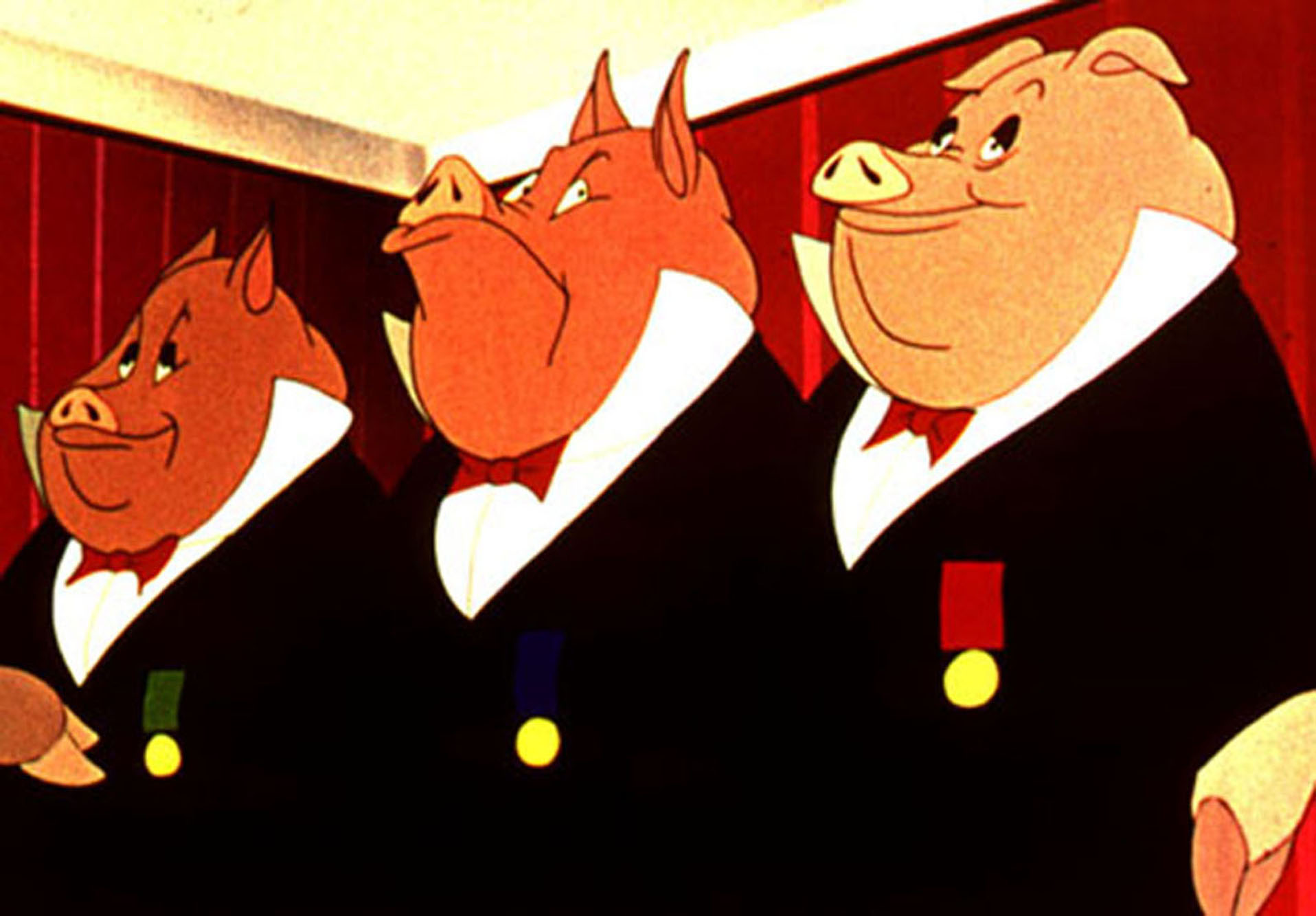
At its core, "Animal Farm" is a political satire that uses a group of farm animals who revolt against their human owner, Mr. Jones, to establish a society where the animals can be free and equal. However, as the story progresses, a power struggle emerges between the pigs – the most intelligent of the animals – resulting in a gradual shift from the noble ideals of "Animalism" towards a corrupt, oppressive regime that mirrors the very human tyranny they had initially overthrown.
[](https://www.theparisreview.org/blog/wp-content/uploads/2016/05/animal-farm1.jpg)
*Pigs leading the power struggle*
Power Struggle in "Animal Farm": Core Concepts and Relevance
-----------------------------------------------------------
A power struggle refers to a conflict over who holds power, how it is exercised, and to what end. In "Animal Farm," the power struggle begins as the animals successfully drive Mr. Jones off the farm, and a new society is established. However, the pigs – the self-appointed leaders – gradually centralize power, manipulate the principles of "Animalism" to suit their needs, and establish a hierarchy that resembles the human society they had initially sought to escape.
Through the characters and their relationships, Orwell illustrates various aspects of power struggles, including:
- **The corrupting influence of power**: As the pigs gain more power, they become increasingly corrupt, using manipulation, deceit, and violence to maintain their positions and consolidate their power.
- **The role of ideology in power struggles**: The pigs manipulate the principles of "Animalism" to justify their actions and maintain control over the other animals. This illustrates how ideologies can be distorted and used as tools for acquiring and maintaining power.
- **The dangers of complacency and passivity**: The other animals, especially the sheep and the horses, are largely complacent and passive, allowing the pigs to manipulate and control them. This highlights the importance of vigilance and active participation in a society to prevent the concentration of power.
- **The cyclical nature of power struggles**: The power struggle in "Animal Farm" demonstrates that once power is centralized, it often leads to a cycle of new power struggles as those in power become complacent and are eventually overthrown by those seeking change.
[](https://hbr.org/resources/images/article_assets/2016/08/R1610K_DAVEY.png)
*Power dynamics and corruption*
### Practical Implications of Power Struggle in "Animal Farm"
Examples and applications of the concepts above can be found in various real-world contexts.
- **Politics and governance**: In politics, power struggles often lead to corruption, manipulation, and the erosion of democratic principles. For instance, political parties may distort ideologies to garner support and maintain power, just as the pigs manipulated "Animalism" for their gain.
- **Corporate world**: In corporations, power struggles can manifest as competition for leadership positions, with individuals or groups employing similar tactics as the pigs to acquire and maintain power.
- **Social movements**: Power struggles within social movements can lead to fragmentation and a loss of focus on the initial goals. Activists and leaders may exploit the movement's ideals for personal gain or recognition, as seen with the pigs in "Animal Farm."
[](https://thephiladelphiacitizen.org/wp-content/uploads/2023/07/Washington_Constitutional_Convention_1787.jpg)
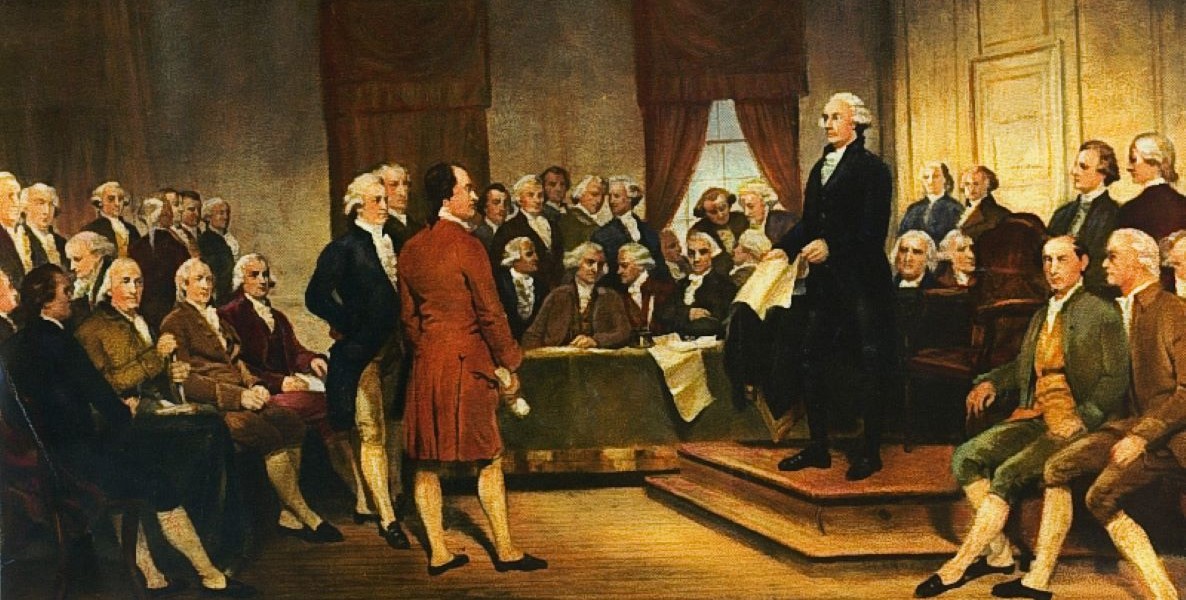
*Real-world power struggles*
Key Insights and Further Exploration
--------------------------------------
By examining the power struggle in "Animal Farm," college students can gain valuable insights into the dynamics of power and its consequences. Key insights include:
- The corrupting influence of power and the importance of checks and balances in any society
- The role of ideologies in power struggles and how they can be manipulated
- The dangers of complacency and passivity in the face of power consolidation
- The cyclical nature of power struggles
Possible avenues for further exploration include:
- Comparing the power struggle in "Animal Farm" with historical examples of revolutions and societal change (e.g., the French Revolution, the Russian Revolution)
- Analyzing the role of language as a tool for power consolidation and manipulation, particularly through the use of slogans and propaganda in "Animal Farm"
- Studying the psychological aspects of power struggles and their impact on individuals and society (e.g., the bystander effect or the Milgram experiment)
By delving into the complexities of power struggles through the lens of "Animal Farm," college students can gain a deeper understanding of the dynamics of power and its far-reaching implications in various real-world contexts.
Last updated: 2024-06-22
Related Books
Related Knowledges