# Symbolic Characters in George Orwell's Animal Farm: Unraveling Complex Allegorical Implications
[](https://m.media-amazon.com/images/I/71je3-DsQEL._AC_UF1000,1000_QL80_.jpg)
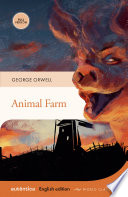
*Cover of George Orwell's Animal Farm*
George Orwell's _Animal Farm_ is an enduring and powerful novel that has captivated readers for generations. Set on the Manor Farm, the novel revolves around a group of farm animals who rebel against their human owner, Mr. Jones, inspired by the principles of "Animalism," a revolutionary ideology advocating for equality among animals. The story, however, gradually unfolds as a scathing critique of totalitarian regimes, and the corruption of revolutionary ideals. Orwell masterfully employs a cast of _symbolic characters_ to illuminate the complexities of political power dynamics and the human condition.
At its core, _Animal Farm_ underscores the significance of understanding and interpreting the functions and implications of symbolic characters in literature. By examining the attributes, actions, and development of these allegorical figures, readers can uncover profound insights into the novel's themes, such as the dangers of authoritarianism and the corrupting influence of power.
## Napoleon: The Manipulative Autocrat
One of the most notable symbolic characters in _Animal Farm_ is Napoleon, the pig who seizes control of the rebellion, establishing a dictatorship and embodying the brutal and manipulative nature of totalitarian rulers. Napoleon's physical appearance – his small size and physical deformity – reflects his cunning and ruthless ambition, as he maneuvers his way to power by exploiting the trust and naïveté of his fellow animals.
[](https://images-wixmp-ed30a86b8c4ca887773594c2.wixmp.com/f/927b3542-9619-419b-b22c-6d9544df9fbe/d8zeju4-6d3966c1-f094-4f4f-9ff8-c4e7324c3d0a.jpg/v1/fill/w_1600,h_1120,q_75,strp/animal_farm___napoleon_by_morteneng21_d8zeju4-fullview.jpg?token=eyJ0eXAiOiJKV1QiLCJhbGciOiJIUzI1NiJ9.eyJzdWIiOiJ1cm46YXBwOjdlMGQxODg5ODIyNjQzNzNhNWYwZDQxNWVhMGQyNmUwIiwiaXNzIjoidXJuOmFwcDo3ZTBkMTg4OTgyMjY0MzczYTVmMGQ0MTVlYTBkMjZlMCIsIm9iaiI6W1t7ImhlaWdodCI6Ijw9MTEyMCIsInBhdGgiOiJcL2ZcLzkyN2IzNTQyLTk2MTktNDE5Yi1iMjJjLTZkOTU0NGRmOWZiZVwvZDh6ZWp1NC02ZDM5NjZjMS1mMDk0LTRmNGYtOWZmOC1jNGU3MzI0YzNkMGEuanBnIiwid2lkdGgiOiI8PTE2MDAifV1dLCJhdWQiOlsidXJuOnNlcnZpY2U6aW1hZ2Uub3BlcmF0aW9ucyJdfQ.7xAQTXc5ye8KEzLCPjckBYTe7Xjd6uUsdghgzbt_zjc)
*Napoleon character illustration from Animal Farm*
Napoleon's rise to power mirrors the historical trajectory of real-life autocratic leaders, and his actions and policies – such as manipulating elections, controlling the media, and employing secret police – further underscore his symbolic relevance. Napoleon's eventual consolidation of power materializes in the form of the "Napoleon's Commandments" that replace the original seven commandments of Animalism, enshrining his position as the unrivaled leader. Orwell's portrayal of Napoleon's autocratic rule serves as both a stark warning about the dangers of unchecked power and a reminder of the historical atrocities committed by real-world dictators and tyrants.
## Snowball: The Visionary Idealist
In contrast to Napoleon, Snowball is the charismatic, articulate, and intelligent pig who shares Napoleon's early leadership role. Though ambitious, Snowball's genuine concern for the well-being of the farm animals sets him apart from Napoleon. Snowball embodies the visionary idealist, driven by a fervent belief in the principles of Animalism and a passion for improving the lives of the animals. He is responsible for devising the plans for windmill construction, the symbol of a more prosperous and independent future for Animal Farm.
[](https://i.pinimg.com/originals/52/73/9e/52739efed6afbc705dccb1e98baeb7db.jpg)
*Snowball character illustration from Animal Farm*
Snowball's expulsion from the farm, orchestrated by Napoleon, parallels the historical persecution of political dissidents and intellectuals within totalitarian regimes. Snowball's exile serves as a potent reminder of the suppression of free thought and dissenting voices, a defining characteristic of oppressive political systems that seek to maintain control through fear and propaganda. Orwell's portrayal of Snowball highlights the crucial role of intellectual curiosity, creativity, and free debate in combating tyranny and safeguarding the values of democracy and individual rights.
### Squealer: The Deceitful Propagandist
Another prominent symbolic character in _Animal Farm_ is Squealer, a cunning and manipulative pig in charge of propaganda and public relations. Squealer excels in his role as the regime's spin-doctor, employing a variety of tactics, such as repeating slogans, altering historical records, and distorting facts to maintain control and support for Napoleon's rule.
[](https://study.com/cimages/videopreview/bil27xvlg3.jpg)
*Squealer character illustration from Animal Farm*
Squealer's effectiveness in swaying the opinions of the other animals serves to illustrate the insidious power of propaganda and manipulation in shaping collective perceptions and beliefs. The portrayal of Squealer underscores Orwell's concerns about the dangers of mass manipulation and the potential for those in power to exploit psychological vulnerabilities and cognitive biases in order to maintain control and advance their agendas.
## The Averageness of the Other Animals
Beyond the principal symbolic characters, the collective identity of the other animals on the farm embodies the dangers of conformity, ignorance, and complacency. The masses' susceptibility to propaganda and manipulation serves as a warning of the potential for ordinary individuals to endure significant hardships and compromises in their values in exchange for the illusion of safety and stability. Orwell's depiction of the downfall of the revolution demonstrates the significance of critical thinking, vigilance, and resistance in maintaining individual autonomy and preventing the erosion of values and principles.
## Conclusion
Understanding and interpreting the complexities of the symbolic characters within _Animal Farm_ is crucial for unlocking the novel's profound allegorical implications and themes. By exploring the intricate web of relationships and power dynamics among the animals, readers can acquire a deeper understanding of the historical and political contexts that inform Orwell's narrative. This knowledge enables readers to not only appreciate the novel's continued relevance but also reflect on its warnings about the potential for the corruption of revolutionary ideals, the dangers of authoritarianism, and the importance of intellectual curiosity, critical thinking, and individual agency.
For further exploration, readers might consider researching the historical contexts and figures that influenced Orwell, such as the Russian Revolution and the rise of Stalin. Additionally, studying other works of literature that engage with similar themes and employ allegory and satire, such as Aldous Huxley's _Brave New World_ and Margaret Atwood's _The Handmaid's Tale_, can provide valuable insights into the enduring power and significance of symbolic characters in literature and their capacity to illuminate the human condition.
Last updated: 2024-06-22
Related Books
Related Knowledges