Decentralization: A Key to Successful Business Operations
======================================================
Decentralization is a critical concept in business management and organization, which refers to the distribution of decision-making authority and responsibilities away from a central authority or location. Instead, decision-making is distributed among various levels and units within an organization, allowing for faster response times, increased innovation, and improved operational efficiency. In his book, *The Outsiders: Eight Unconventional CEOs and Their Radically Rational Blueprint for Success*, William N. Thorndike Jr. explores the concept of decentralization and its impact on business success.
Decentralization: Core Concepts and Relevance
--------------------------------------------
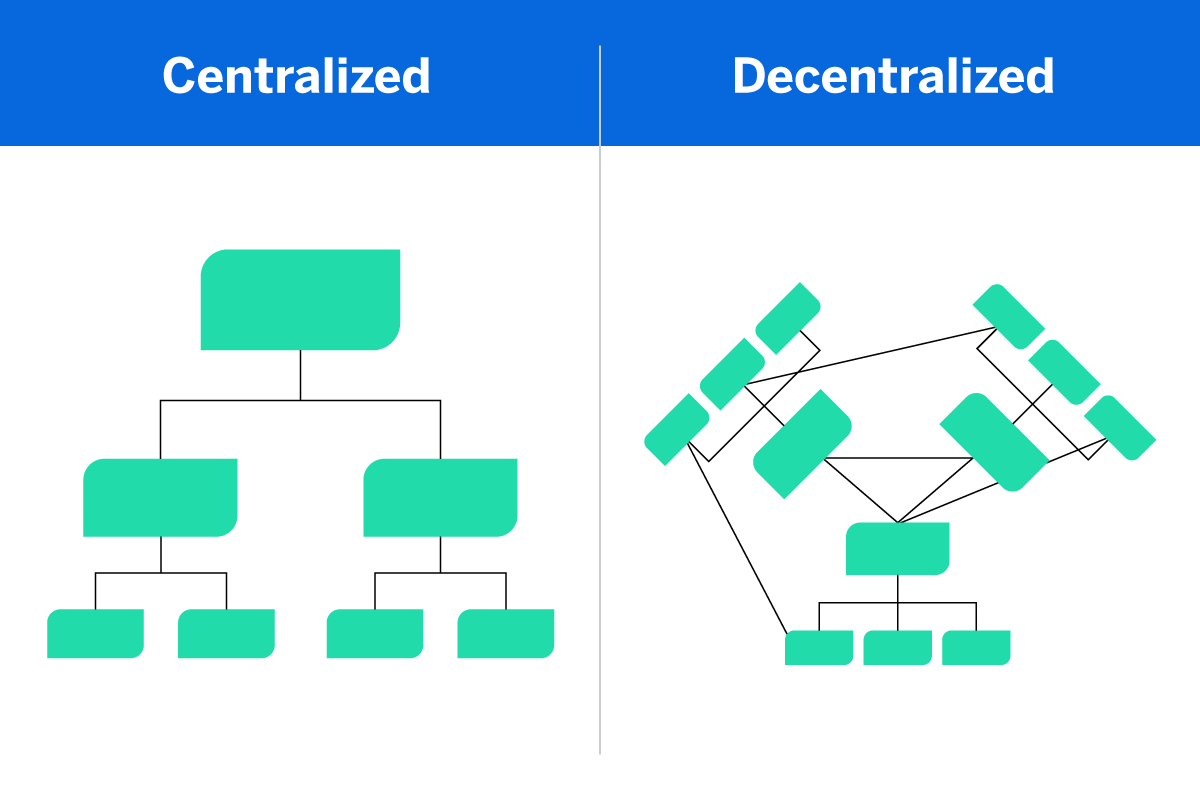
*Decentralized vs Centralized Organizational Structure*
Decentralization is a powerful tool for businesses seeking to improve their operations and competitiveness. By distributing decision-making authority and responsibilities, organizations can:
* Improve response times by enabling faster decision-making at lower levels of the organization.
* Encourage innovation by empowering employees to experiment and take risks.
* Increase operational efficiency by reducing bureaucracy and streamlining processes.
* Foster a culture of accountability and ownership by giving employees greater control over their work.
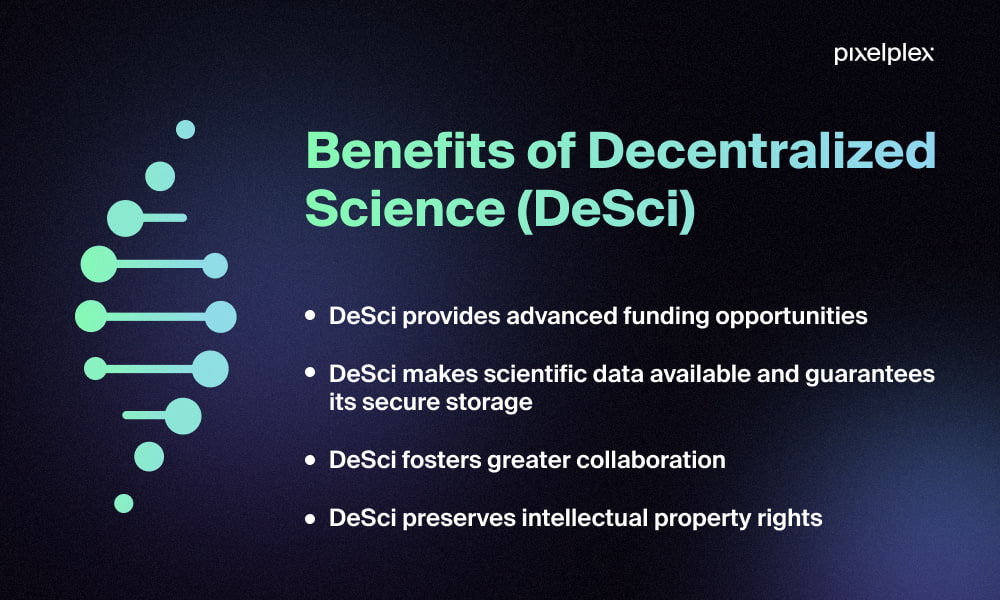
*Benefits of Decentralization*
Decentralization is particularly relevant in today's fast-paced, dynamic business environment, where rapid response times and innovation are critical to success.
Examples of Decentralization in Practice
----------------------------------------
### Example 1: The Home Depot
The Home Depot, a leading home improvement retailer, is a prime example of a company that has successfully implemented a decentralized organizational structure. The company operates as a federation of regional units, each with its own CEO and decision-making authority. This approach allows The Home Depot to respond quickly to local market conditions and customer needs, while also fostering a culture of innovation and accountability.

*The Home Depot Store*
### Example 2: Google
Google, the world's leading search engine and technology company, is another example of a company that has embraced decentralization. Google operates as a collection of independent business units, each with its own CEO and decision-making authority. This approach allows Google to foster innovation and experimentation, while also ensuring that each business unit remains accountable for its own success.

*Googleplex*
Key Insights and Further Exploration
------------------------------------
Decentralization is a powerful tool for businesses seeking to improve their operations and competitiveness. By distributing decision-making authority and responsibilities, organizations can improve response times, encourage innovation, increase operational efficiency, and foster a culture of accountability and ownership.
For those interested in further exploring the concept of decentralization, we recommend the following resources:
* *The Outsiders: Eight Unconventional CEOs and Their Radically Rational Blueprint for Success* by William N. Thorndike Jr.
* *Reinventing Organizations: A Guide to Creating Organizations Inspired by the Next Stage of Human Consciousness* by Frederic Laloux
* *Drive: The Surprising Truth About What Motivates Us* by Daniel H. Pink
By understanding and implementing decentralization, businesses can unlock their full potential and thrive in today's fast-paced, dynamic business environment.
Last updated: 2024-03-19
Related Books

Related Knowledges