# The Power of Selectivity: Key Lessons from The Outsiders
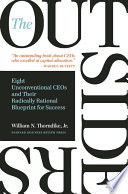
Selectivity is a critical concept that can make a significant difference in the success of any venture. This idea is one of the crucial elements that William N. Thorndike Jr. discusses in his book, “The Outsiders: Eight Unconventional CEOs and Their Radically Rational Blueprint for Success.” The book examines the stories of eight successful CEOs from various industries and eras who achieved exceptional results by breaking away from conventional wisdom and embracing a more selective approach to resource allocation, decision-making, and the deployment of capital.
## Core Concepts and Relevance
The cornerstone of selectivity is being able to differentiate between high-value and low-value opportunities and focusing resources on the former while avoiding the latter. In the context of business leadership, successful CEOs exercise selectivity through a disciplined, focused strategy on a few critical initiatives. Such an approach ensures efficient use of resources and minimizes the risks associated with unproductive endeavors.
The concept of selectivity is not only crucial for corporate CEOs but is also relevant to other fields such as education, career development, and personal finance. For students and young professionals, it can help optimize time and effort towards high-impact activities and develop a critical lens to make informed decisions.
## Examples and Applications of Selectivity
### 1. Capital Allocation Across Businesses: Warren Buffett and Berkshire Hathaway
Warren Buffett, one of the eight CEOs profiled in “The Outsiders,” is considered a master of capital allocation and is renowned for his disciplined investment strategy. Buffett has consistently underlined the importance of selectivity when it comes to deploying resources and capital.
A prime example of Buffett's selectivity is his investment in the reinsurance business, a sector not conventionally considered attractive for investors. According to Thorndike, “this out-of-the-ordinary investment was driven by several factors, including the favorable pricing of reinsurance contracts and the ability to earn premiums far in advance of claims (increasing the time value of money)” (Thorndike, 2012). This strategic investment allowed Berkshire Hathaway to lower its cost structure and create significant value for shareholders.
### 2. Focusing on High-ROI Projects: Tom Murphy and Capital Cities Broadcasting
Tom Murphy, another CEO featured in “The Outsiders,” transformed Capital Cities Broadcasting into a powerhouse by demonstrating extreme discipline and focus in his capital allocation practices. Murphy's priority was to invest in high-profit projects while avoiding anything that did not meet Capital Cities' stringent investment criteria.
During his tenure, Murphy was approached with a proposition to invest in the now-iconic theme park franchise, Disneyland. Despite the opportunity's appeal, Murphy turned it down, saying that while it looked like a fun business, it did not meet their rigorous investment hurdle. Capital Cities persisted in concentrating on their high-ROI local television strategy, a move that proved instrumental in driving their success and eventual sale to Disney.
### 3. Selective Approach to Strategy and Innovation: Andy Grove and Intel
In the tech industry, selectivity can manifest in the form of strategic focus and a disciplined approach to innovation. Andy Grove, the former CEO of Intel, is a prime example of this. Under Grove's leadership, Intel famously reoriented its strategy towards microprocessors and away from memory chips, which had been facing immense price pressure.
By being selective about its focus area and strategic priorities during a crucial period, Intel solidified its market position and became one of the most successful companies in the technology industry. Grove's mantra of “Only the Paranoid Survive” is a testament to the power of staying vigilant, focused, and selective in the ever-evolving tech landscape.
## Conclusion
The Outsiders' message is clear: selectivity is an essential element of success for CEOs and businesses. The stories of the eight unconventional CEOs demonstrate the benefits of being selective in resource allocation, strategic focus, and decision-making. Applying these principles can help students and professionals optimize their resources and time for the most significant impact, leading to better outcomes and a higher likelihood of success in their academics, careers, and personal lives.
For further exploration of this topic, consider reading related literature, such as “The Essays of Warren Buffett: Lessons for Corporate America” and “The Innovator's Dilemma” by Clayton M. Christensen. These materials offer additional insights and perspectives on the importance of selectivity in a variety of contexts. Additionally, conducting case studies and applying these concepts to real-world scenarios can provide a valuable platform for gaining hands-on experience and deepening understanding of the subject matter.
### References
- Thorndike, William N. The Outsiders: Eight Unconventional CEOs and Their Radically Rational Blueprint for Success. Harvard Business Review Press, 2012.
- O'Brien, Lawrence A. (2016, March 10). How Warren Buffett’s Capital Allocation Playbook Applies to Private Business Owners. Forbes.
- Barcott, Bruce (2017, October 30). Tom Murphy, Media Mogul Who Sold Out to Disney, Dies at 95. The New York Times.
- Grove, Andrew S. (1999). Only the Paranoid Survive: How to Exploit the Crisis Points That Challenge Every Company. Currency, 1999.
- Schwartz, Nelson D. (2018, March 29). Andrew Grove, Who Led I.B.M. to Intel Success, Dies at 79. The New York Times.
Last updated: 2024-04-07
Related Books
Related Knowledges