Temperament: Understanding the Human Element in Investment Management
=====================================================================
Introduction
------------
Temperament, as defined by William N. Thorndike Jr. in his book *The Outsiders: Eight Unconventional CEOs and Their Radically Rational Blueprint for Success*, refers to the ability of an individual to maintain emotional stability and rationality when making critical business decisions. In the context of investment management, temperament is a crucial factor that distinguishes successful investors from those who fail.

*Illustration of emotional stability in decision-making*
Relevance of Temperament
------------------------
Temperament is a critical factor in investment management because it enables investors to make rational decisions based on thorough analysis and research, rather than being swayed by emotions or short-term market fluctuations. A disciplined and rational approach to investing is essential for long-term success, as it helps investors avoid common pitfalls such as panic selling, greed-driven buying, and herd mentality.

*Examples of panic selling in the stock market*
Examples and Applications
------------------------
### Example 1: Warren Buffett and the Dot-Com Bubble
Warren Buffett, the legendary investor and CEO of Berkshire Hathaway, is a prime example of the importance of temperament in investment management. During the dot-com bubble of the late 1990s, Buffett was criticized for his refusal to invest in technology stocks, which were experiencing rapid growth and generating significant returns for many investors. However, Buffett remained steadfast in his belief that these stocks were overvalued and that the market was driven by speculation rather than fundamentals.
As a result, Buffett avoided the losses that many other investors suffered when the bubble burst in 2000. By maintaining his temperament and adhering to his investment philosophy, Buffett was able to make rational decisions based on thorough analysis and research, rather than being swayed by the emotions of the market.
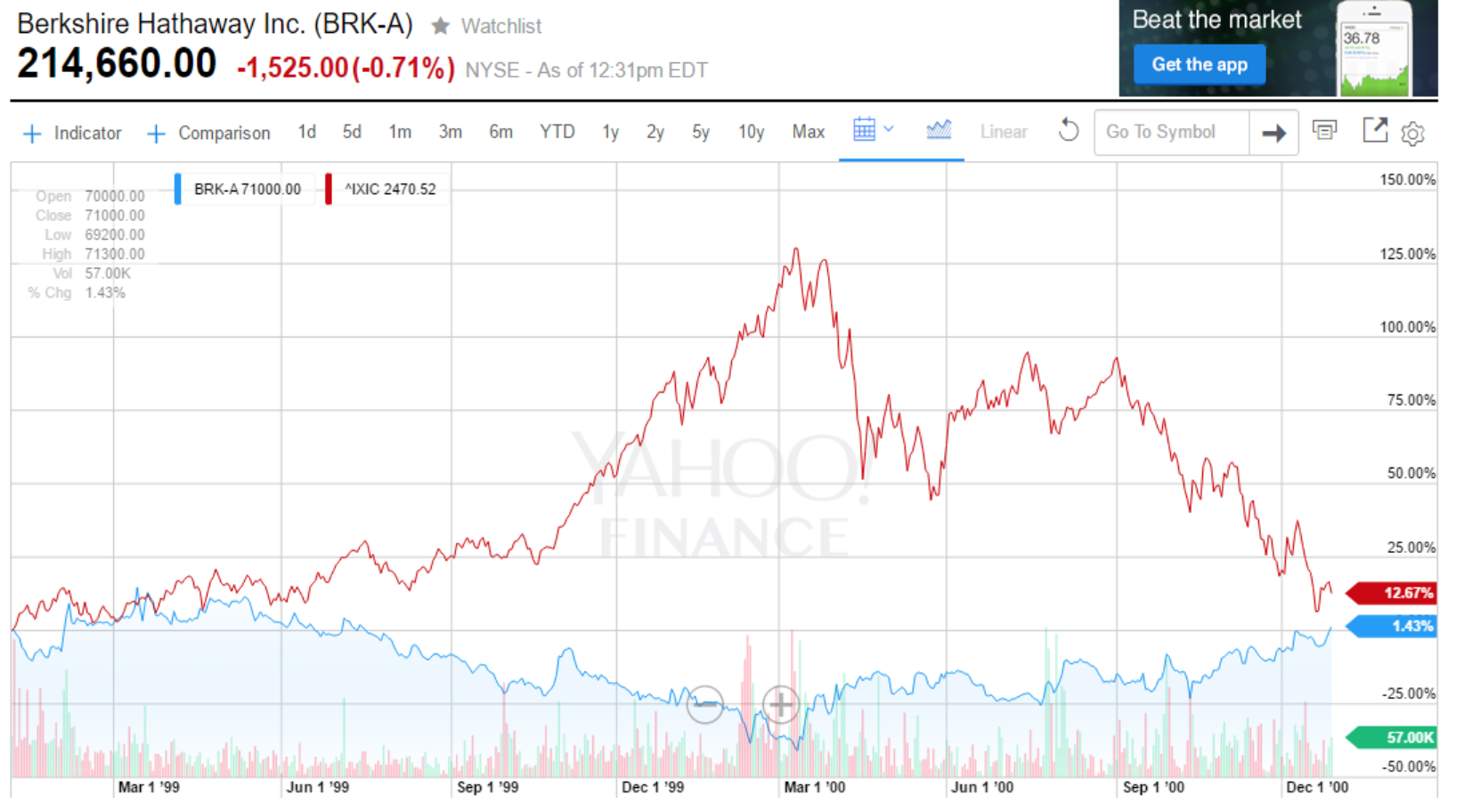
*Warren Buffett during the dot-com bubble*
### Example 2: Seth Klarman and the Financial Crisis
Seth Klarman, the CEO of Baupost Group, is another example of the importance of temperament in investment management. During the financial crisis of 2008, Klarman was one of the few investors who remained calm and rational in the face of extreme market volatility. While many investors panicked and sold off their assets, Klarman saw an opportunity to acquire high-quality assets at significantly discounted prices.
By maintaining his temperament and adhering to his investment philosophy, Klarman was able to make rational decisions based on thorough analysis and research, rather than being swayed by the emotions of the market. As a result, Baupost Group emerged from the financial crisis as one of the most successful hedge funds in the world.

*Seth Klarman navigating the 2008 financial crisis*
Conclusion
----------
In conclusion, temperament is a critical factor in investment management, as it enables investors to make rational decisions based on thorough analysis and research, rather than being swayed by emotions or short-term market fluctuations. By maintaining their temperament and adhering to their investment philosophy, successful investors such as Warren Buffett and Seth Klarman have been able to achieve long-term success in the face of market volatility and uncertainty.
For further exploration of the topic, students are encouraged to read *The Outsiders* by William N. Thorndike Jr., as well as other books and articles on investment management and behavioral finance. Additionally, students can conduct case studies on successful investors and analyze their temperament and investment philosophy to gain a deeper understanding of the role of temperament in investment management.
Last updated: 2024-03-19
Related Books
Related Knowledges