# Intellectuals Yet Idiots: An Examination of Nassim Nicholas Taleb's Concept
[](https://upload.wikimedia.org/wikipedia/commons/9/9b/Taleb_mug.JPG)
*Nassim Nicholas Taleb, the author of \*Skin in the Game\**
In his book *Skin in the Game*, Nassim Nicholas Taleb introduces the concept of 'Intellectuals Yet Idiots' (IYIs), a label for individuals who have extensive formal education and are perceived as intelligent, but lack practical wisdom and street smarts. Taleb asserts that these individuals are separated from reality and insulated from the consequences of their actions. In this educational content, we'll explore the core concepts of IYIs and illustrate its relevance with practical examples.
## Core Concepts
At its core, the IYI concept highlights a disconnect between academics and the real world. IYIs possess:
1. Extensive academic achievements and a lack of real-life experience
2. A tendency to oversimplify complex problems
3. A proclivity for theoretical knowledge over practical experience
4. An inability to handle uncertainty and risk
[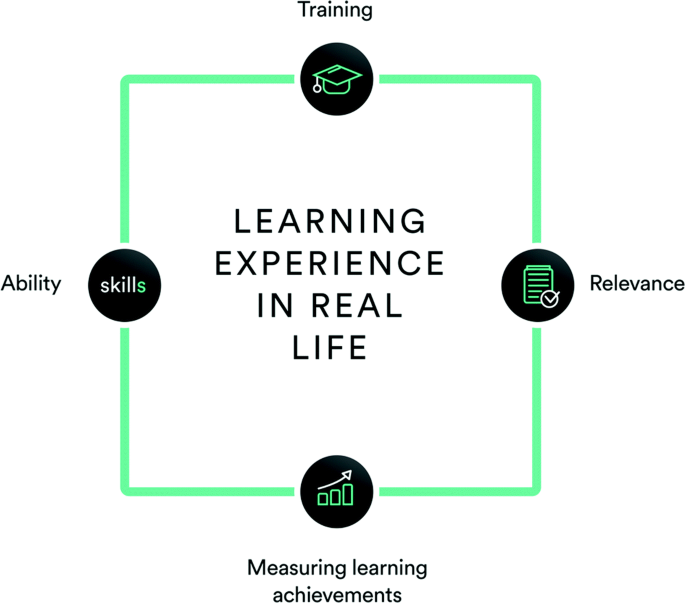](https://media.springernature.com/lw685/springer-static/image/chp%3A10.1007%2F978-3-030-11078-9_5/MediaObjects/465532_1_En_5_Figa_HTML.png)
*Illustration of academic achievements vs real-life experience*
## Relevance and Applications
The IYI concept has significant implications for several disciplines, including politics, economics, and business. IYIs are not limited to any one field, but they often have a significant influence on society. Here are two examples that illustrate the impact of their thinking:
### The Housing Bubble of 2008
IYIs played a crucial role in the creation and exacerbation of the US housing bubble in the mid-2000s. Economists and banking experts with advanced degrees failed to anticipate the risks associated with subprime mortgages and collateralized debt obligations (CDOs). They didn't account for the unpredictability of real-life factors such as human behavior and financial insecurity.
Instead, theorists and modellers relied heavily on historical data and statistical models that lacked robustness and real context. In the end, these IYIs presented baseless and blindly optimistic predictions that led to the near-collapse of the global financial system.
[](https://www.noradarealestate.com/wp-content/uploads/2023/03/housing-market-crash-2008.jpg)
*2008 Housing bubble crisis*
### COVID-19 Pandemic Response
As the COVID-19 pandemic unfolded, the public relied heavily on expert advice from professionals with extensive education, such as doctors, epidemiologists, and other health experts. IYIs in this context:
1. Struggled to balance theoretical knowledge with practical remedies
2. Failed to account for the social and economic impacts of their recommendations
3. Frustrated the public with ever-changing rules and a lack of consensus among experts
In the early days of the pandemic, the World Health Organization (WHO) and other health organizations were slow to react or provided mixed messages that likely exacerbated the crisis. Their theoretical models did not account for the chaotic realities of pandemics and underestimated the transmission and severity of the disease.
[](https://covidvaccineproject.org/wp-content/uploads/2023/06/Social.jpg)
*COVID-19 Pandemic response by experts*
## Further Exploration
The IYI concept offers ample opportunity for further examination and discussion. To learn more, consider these avenues:
1. **The role of IYIs in decision-making:** Examine situations where IYIs have made critical blunders and analyze the underlying reasons for their failures.
2. **Impact on non-Western societies:** Analyze the influence and impact of IYIs in non-Western cultures, which might have different approaches to education and decision-making.
3. **Addressing the IYI problem:** Propose solutions that can help bridge the gap between theoretical knowledge and practical wisdom in decision-making.
4. **Encouraging interdisciplinary collaboration:** Explore ways to bring together individuals from diverse academic and professional backgrounds to develop better, more effective strategies to address complex situations.
5. **Reassessing the education and credentialing system:** Analyze whether the current academic system can be reformed to better prepare students for real-world scenarios.
---
In conclusion, the IYI concept presented in Nassim Nicholas Taleb's *Skin in the Game* offers valuable insights into the challenges faced in decision-making industries. By understanding and addressing these issues, we can work towards building more resilient systems that better prepare us for an ever-changing and unpredictable world.
Last updated: 2024-04-05
Related Books

Related Knowledges