# Agency Problem: Understanding the Asymmetry between Principals and Agents in a Talebian Framework
[](https://www.investopedia.com/thmb/XoWNnwprwITt6PCoPlwfkp-Igp0=/1500x0/filters:no_upscale%28%29:max_bytes%28150000%29:strip_icc%28%29/agencytheory-Final-6ad02329f0e24deba6933905f1ea71d9.jpg)
*The Agency Problem in Economics*
In the realm of economics and finance, the agency problem is a prominent concept that sheds light on the inherent conflicts of interest between principals and agents. Nassim Nicholas Taleb, a renowned philosopher, statistician, and former trader, further dissects this issue in his book, *Skin in the Game*. Taleb elucidates the agency problem through the lens of *asymmetry*, a critical concept in his works, and illustrates the concept's profound implications across a variety of domains.
## Introduction: The Core of the Agency Problem
In the agency problem, the interests of the principal (the entity who employs or engages the services of another) and the agent (the entity hired or appointed by the principal) can often diverge. The problem arises because the principal, when engaging the services of an agent, cannot directly monitor and control the actions of the agent. Consequently, the agent, empowered by the discretion permitted by the principal, might act in a manner that primarily serves her or his interests rather than the principal's objectives.
As Taleb explains, the agency problem intensifies when asymmetry of information and incentives materializes between these actors. For instance, agents might possess better information and understanding of the tasks they perform, allowing them to manipulate the situation in their favor, potentially capitalizing on the knowledge and information disparity to the detriment of the principal. This misalignment may result in detrimental consequences for the principal.
But what is the role of asymmetry in the agency problem? Nassim Taleb demonstrates the inherent asymmetry of power, consequences, and incentives that may lead to favorable outcomes for the agent at the expense of the principal. In other words, the agent can have a high probability of reaping rewards from her or his actions, while the principal unfairly bears an outsized part of the potential losses and adverse consequences.
[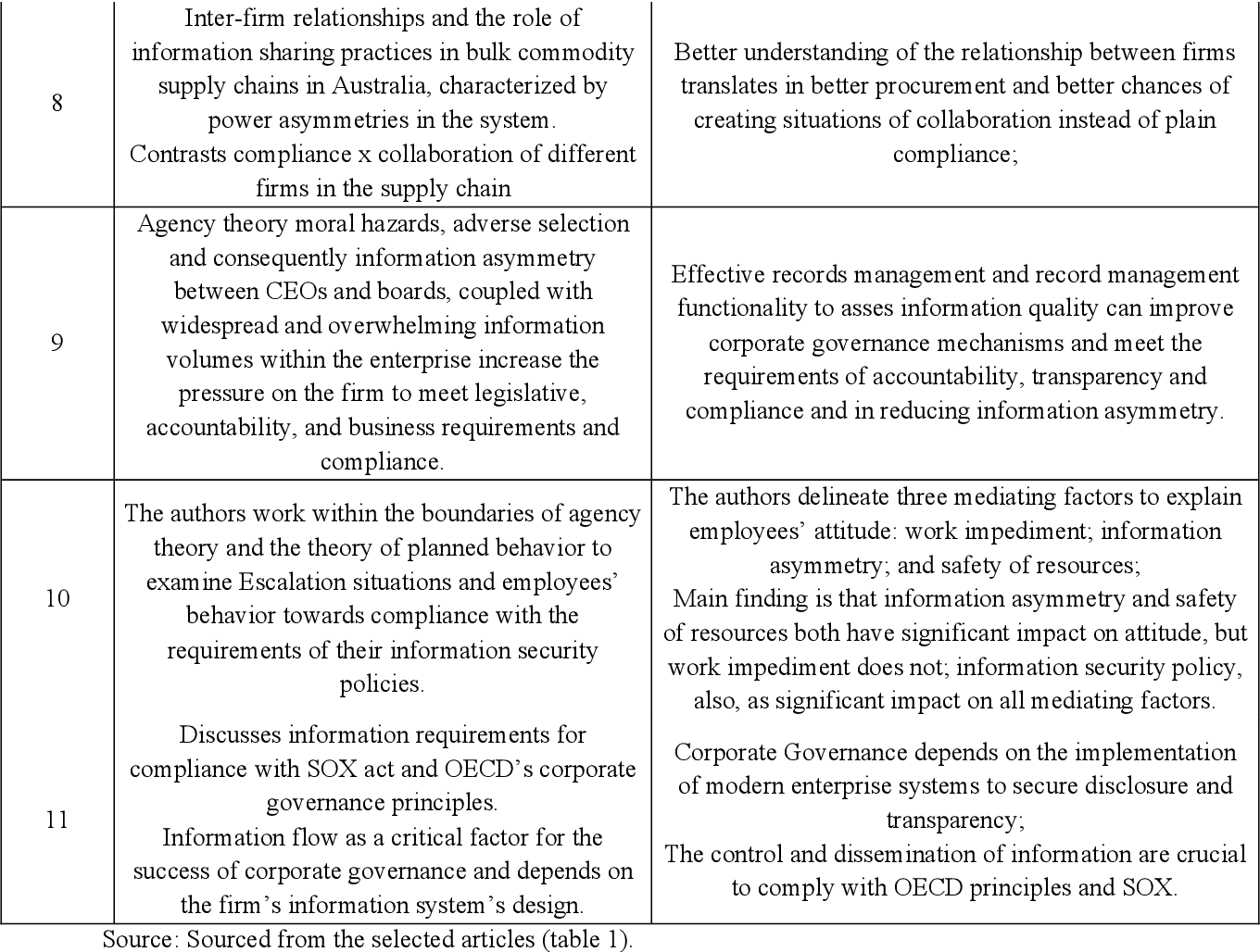](https://d3i71xaburhd42.cloudfront.net/f18277206a02bab7eb32f475b2bc7a7e552b38a2/7-Table2-1.png)
*Asymmetry in Agency Problems*
To further illustrate this dynamic, let's examine some real-life examples of the agency problem.
## Practical Implications of the Agency Problem
### Example 1: Financial Institutions and the Global Financial Crisis
The global financial crisis of 2008 offers a vivid instance of the agency problem's ramifications. Financial institutions such as banks and insurance companies acted as agents tasked with protecting and growing the wealth of depositors and shareholders (their respective principals). The financial sector's flawed incentive structure motivated risky bets, driven by the promise of substantial gains for bank managers and executives.
These high-risk endeavors were enabled by complex financial instruments that obfuscated risk and its true distribution. Agents exploited the information gap, engineering deals that were more likely to generate hefty bonuses and rewards for themselves if successful than severe reprimands if they failed. The consequences for the principals (the investors and shareholders) were devastating—catastrophic losses, collapsing investments, and diminished retirement funds. The 2008 crisis exemplified a classic agency problem, where the asymmetrical interests of the parties led to value-destroying behavior and endangered the global economy.
[](https://www.investopedia.com/thmb/1ct4l03zPw_-STbF8BREGkgBt5w=/1500x0/filters:no_upscale%28%29:max_bytes%28150000%29:strip_icc%28%29/great-recession_sourcefile-1-26478e8a0b5e48ce9df18f92cc991a7e.jpg)
*2008 Global Financial Crisis Example*
### Example 2: The "Too Big to Fail" Fallacy
The "too big to fail" issue presents another illustration of the agency problem and its asymmetries. Institutions deemed "too big to fail" often receive taxpayer-funded bailouts in the event of failure, since their collapse could jeopardize the financial system. This implicit guarantee fosters moral hazard, as management and shareholders (agents) bear a reduced risk of downside consequences, while taxpayers (principals) suffer from the potential financial turmoil.
In the "too big to fail" fallacy, the principal-agent relationship is distorted. The executives and shareholders of these large institutions prioritize short-term profits over sound risk-taking and long-term stability, knowing that the government—that is, the society at large—will be on the hook for the firm's failure's consequences. As a result, these organizations perpetuate dangerous risk profiles and create a systemic fragility that imperils the broader public and economy.
[](https://www.investopedia.com/thmb/JthOm5S57POQRUsXBr1cttVgZDM=/1500x0/filters:no_upscale%28%29:max_bytes%28150000%29:strip_icc%28%29/too-big-to-fail.asp-Final-3058aadb7f4643a1a3b0fdcc27ef8d58.jpg)
*The "Too Big to Fail" Fallacy*
## Conclusion: Unmasking the Agency Problem and Further Exploration
Understanding the agency problem and its asymmetrical underpinnings is crucial in mitigating its destructive potential. Nassim Nicholas Taleb's work on risk, uncertainty, and complex systems invites us to identify and address these challenges. By examining these situations, we can explore or suggest the following avenues for further exploration:
- Designing and engineering better incentive structures that minimize the potential for the agent and principal interests to diverge.
- Implementing robust transparency frameworks that enhance information access and sharing between agents and principals.
- Developing policies and regulations that dismantle and deter "too big to fail" institutions, leveling the playing field and promoting effective competition.
- Advocating for the necessity of skin in the game—that is, ensuring that all involved parties are exposed to the consequences of their choices and actions.
As these opportunities suggest, the resolution of agency problems requires a multidimensional approach in which the ethical, economic, and regulatory aspects intertwine. Through further study and application of these principles, we can create a more resilient and equitable economic landscape, where the potential for the agency problem is minimized, and stakeholders' interests are better aligned.
Last updated: 2024-06-25
Related Books

Related Knowledges