### The Enduring Wisdom of Epictetus's Handbook: Practical Insights from a Stoic Classic
#### Introduction
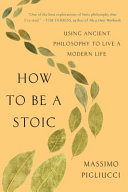
[](https://m.media-amazon.com/images/I/510O7rlYrqL._AC_UF1000,1000_QL80_.jpg)
*Cover of Epictetus's Handbook*
Epictetus's _Handbook_, also known as the _Enchiridion_, is a classic Stoic text that has endured for centuries as a source of practical wisdom and guidance for living a good life. Composed by Epictetus's student Arrian in the 2nd century CE, the _Handbook_ distills the teachings of the former slave-turned-philosopher into a concise and accessible form. At its core, the _Handbook_ emphasizes the importance of distinguishing between what is within our control and what is not, and focusing our energies on cultivating virtue and inner strength.
#### Core Concepts and Relevance
The _Handbook_ is structured around several key Stoic concepts, which can be summarized as follows:
[](https://cdn.substack.com/image/fetch/w_1456,c_limit,f_auto,q_auto:good,fl_progressive:steep/https%3A%2F%2Fbucketeer-e05bbc84-baa3-437e-9518-adb32be77984.s3.amazonaws.com%2Fpublic%2Fimages%2F6db906b6-63b3-4ffd-ba7a-ed67d2f98f50_1216x1838.png)
*The Dichotomy of Control*
1. **The Dichotomy of Control:** One of the most fundamental Stoic principles, this concept distinguishes between what is within our control (our beliefs, judgments, desires, and actions) and what is not (events, other people's actions, and external circumstances). By recognizing this dichotomy, we can avoid unnecessary suffering and frustration by focusing on what we can influence and accepting what we cannot.
2. **Desire and Aversion:** Epictetus emphasizes that our desires and aversions should be aligned with what is within our control. By desiring only what we can attain through our own efforts and actions, we can avoid disappointment and discontent. Conversely, by avoiding what is beyond our control, we can prevent unnecessary anxiety and fear.
3. **Role Ethics:** The _Handbook_ teaches that we each have a unique role in life, determined by our natural talents, abilities, and circumstances. By embracing our role and fulfilling our duties with excellence and integrity, we can contribute to the greater good and find meaning and purpose in our lives.
4. **Judgment and Acceptance:** A significant portion of the _Handbook_ is dedicated to the idea that our judgments and interpretations of events shape our emotional responses. By cultivating a mindset of acceptance and non-judgment, we can maintain our tranquility and inner peace, even in the face of adversity.
#### Practical Implications and Applications
To illustrate the practical implications of Epictetus's teachings, let's consider a few examples and applications:
**Example 1: Navigating Relationships**
[](https://howtobeastoic.files.wordpress.com/2018/06/socrates_and_xanthippe.jpg)
*Navigating Relationships with Stoicism*
Suppose you are in a romantic relationship and your partner has forgotten an important anniversary. According to the dichotomy of control, you cannot control your partner's memory or actions, but you can control your response. Instead of reacting with anger or disappointment, you might choose to communicate your feelings openly and calmly, expressing your desire for consideration and understanding without making unreasonable demands. By focusing on what you can control (your own actions and reactions), you can maintain a healthier relationship and foster mutual respect.
**Example 2: Overcoming Professional Setbacks**
[](https://thegeekyleader.com/wp-content/uploads/2024/02/DALLE_10_Practical_Stoic_Tips_for_Handling_Career_Setbacks_And_Layoffs_1200x675.jpg)
*Overcoming Professional Setbacks with Stoicism*
Imagine you have been working tirelessly on a project at work, only to have a colleague take credit for your ideas in a high-stakes presentation. According to the _Handbook_, you cannot control your colleague's actions or the outcome of the presentation, but you can control your attitude and response. Instead of succumbing to resentment or frustration, you might choose to focus on the intrinsic value of your work and the skills you've developed in the process. By embracing your role and continuing to act with integrity, you can maintain your professionalism and self-respect, even in the face of setbacks.
**Example 3: Cultivating Resilience in the Face of Adversity**
[](https://media.licdn.com/dms/image/D4E12AQE4U7lPwJv_Ig/article-cover_image-shrink_720_1280/0/1689913536520?e=2147483647&v=beta&t=CzUCkOQIZ-1b4HZ30hMpl3OONnnhwOFmC2XHiRx9okc)
*Cultivating Resilience with Stoicism*
Suppose you have recently lost a loved one, and you are struggling to come to terms with your grief. In this situation, the _Handbook_ teaches that while you cannot control the fact of your loss, you can control how you choose to respond. By practicing acceptance and non-judgment, you can begin to reframe your thoughts and emotions, gradually cultivating resilience and inner strength. Over time, you may find that your loss has transformed you, allowing you to develop greater empathy, compassion, and gratitude for the people and experiences that remain in your life.
#### Conclusion
Epictetus's _Handbook_ offers a wealth of practical wisdom and guidance for living a fulfilling and virtuous life. By distinguishing between what is within our control and what is not, cultivating virtues and inner strength, and embracing our unique roles and responsibilities, we can navigate the challenges of life with grace, dignity, and resilience.
For those interested in further exploring the topics raised in this article, several avenues for further study are recommended:
1. **Additional Stoic Texts:** In addition to Epictetus's _Handbook_, other Stoic classics, such as Marcus Aurelius's _Meditations_ and Seneca's _Letters from a Stoic_, offer rich insights and practical guidance for living a Stoic life.
2. **Contemporary Stoic Literature:** Numerous modern authors have contributed to the ongoing revival of Stoicism, including Massimo Pigliucci, William Irvine, and Ryan Holiday. These authors offer accessible and engaging introductions to Stoic philosophy, as well as practical guidance for applying its teachings to contemporary life.
3. **Stoic Practice and Community:** For those seeking a more immersive and experiential approach to Stoicism, several online communities, such as the Stoic Fellowship and Modern Stoicism, offer resources, workshops, and forums for connecting with like-minded individuals. Additionally, practices such as journaling, meditation, and mindfulness can help cultivate Stoic habits and virtues.
By engaging with the enduring wisdom of Epictetus's _Handbook_ and the broader Stoic tradition, we can cultivate the inner strength, resilience, and virtue necessary to live a good life, even in the face of adversity.
Last updated: 2024-03-21
Related Books
Related Knowledges