**Stoic Ethics: Cultivating Virtue and Living in Accordance with Nature**
**Introduction**
Stoicism is an ancient Greek philosophy that teaches us how to live a life of wisdom, courage, justice, and self-discipline. At its core, Stoic ethics revolves around the idea of cultivating virtue and living in accordance with nature, specifically human nature and the natural order of the universe. This philosophy emphasizes the development of self-control, inner strength, and moral character as the keys to achieving a happy and fulfilling life. In this comprehensive guide, we will delve into the core concepts of Stoic ethics, its relevance in modern times, and practical applications to help college students navigate their academic and personal lives.
**Core Concepts and Relevance**
Stoic ethics is built upon four cardinal virtues: wisdom, courage, justice, and temperance (or self-control). These virtues are considered the foundation of a good life and are interconnected, with each one supporting and reinforcing the others.
1. **Wisdom (Sophia)**: The ability to perceive things as they truly are, without being swayed by emotions or external circumstances. Wisdom involves understanding the nature of the universe, recognizing what is within our control and what is not, and acting accordingly.
2. **Courage (Andreia)**: The inner strength and resilience to face adversity, challenges, and difficult emotions with calmness and resolve. Courage is not the absence of fear but the ability to act despite it.
3. **Justice (Dikaiosyne)**: The commitment to treating all human beings with fairness, kindness, and respect. Justice involves recognizing our interconnectedness and acting in ways that promote the common good.
4. **Temperance (Sophrosyne)**: The practice of self-control, moderation, and discipline in pursuit of a balanced and harmonious life. Temperance involves cultivating mindfulness, awareness, and self-regulation to live in accordance with our true nature.

*The four cardinal virtues of Stoicism: wisdom, courage, justice, and temperance.*
The relevance of Stoic ethics in modern times lies in its emphasis on personal responsibility, self-mastery, and moral character. By cultivating virtue and living in accordance with nature, Stoicism offers a practical and timeless guide to navigating the complexities of contemporary life.
**Practical Applications**
* **Managing Emotions and Stress**: Stoicism teaches us to distinguish between what is within our control and what is not. By focusing on what we can influence, we can reduce stress and anxiety. For instance, instead of worrying about external factors like grades or social pressures, students can focus on their effort, preparation, and attitude.
* **Building Resilience and Inner Strength**: Stoicism encourages the development of inner strength and resilience by facing adversity and challenges with calmness and resolve. For example, when facing a difficult exam or presentation, students can practice mindfulness and deep breathing techniques to stay focused and composed.
* **Cultivating Empathy and Compassion**: Stoicism emphasizes treating all human beings with fairness, kindness, and respect. By practicing empathy and compassion, students can build stronger relationships and contribute to a more harmonious community. For instance, students can actively listen to their peers, seek to understand their perspectives, and respond with kindness and understanding.
* **Fostering Self-Discipline and Self-Regulation**: Stoicism encourages the practice of self-discipline and self-regulation to live in accordance with our true nature. For example, students can develop a consistent study routine, set realistic goals, and practice time management skills to foster self-discipline and self-regulation.

*Practical applications of Stoic ethics in modern life.*
**Further Exploration**
To further explore the topic of Stoic ethics, consider the following avenues:
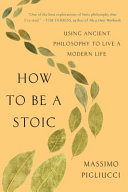
1. Read more about Stoicism: In addition to "How to Be a Stoic" by Massimo Pigliucci, explore other books such as "Meditations" by Marcus Aurelius, "Letters from a Stoic" by Seneca, and "Enchiridion" by Epictetus.
2. Engage in Stoic practices: Incorporate Stoic practices such as mindfulness, journaling, and gratitude into your daily routine.
3. Join a Stoic community: Connect with like-minded individuals through online forums, social media groups, or local meetups to share experiences, insights, and challenges related to Stoicism.
4. Attend workshops or retreats: Participate in workshops or retreats focused on Stoicism to deepen your understanding and practice of Stoic ethics.
**Conclusion**
Stoic ethics offers a timeless and practical guide to cultivating virtue and living in accordance with nature. By embracing the core concepts of wisdom, courage, justice, and temperance, college students can develop the inner strength, resilience, and moral character needed to navigate the challenges of contemporary life. Through practical applications such as managing emotions, building resilience, cultivating empathy, and fostering self-discipline, Stoicism provides a roadmap for a fulfilling and meaningful life. By further exploring the topic through books, practices, communities, and workshops, students can deepen their understanding and commitment to Stoic ethics.
Last updated: 2024-03-19
Related Books
Related Knowledges