# Negative Visualization: Embracing the Stoic Practice for a Fuller Life
## Introduction
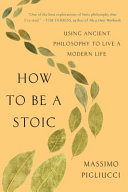
In the realm of Stoic philosophy, the practice of negative visualization emerges as a profoundly insightful technique aimed at enhancing our psychological resilience and overall contentment with life. This concept has been explored in depth by Massimo Pigliucci in his seminal work, *How to Be a Stoic*, wherein he elucidates the Stoic path to happiness through the application of ancient wisdom in modern lives. Negative visualization, or *premeditatio malorum* as it was known in Latin, involves the deliberate contemplation of negative outcomes or losses. Contrary to what one might presume, this practice does not cultivate pessimism. Instead, it serves as a mental exercise to prepare oneself for the vicissitudes of life, reducing the impact of negative emotions associated with loss or hardship and fostering a deeper appreciation for what one already possesses.
[](https://ofmindandbody.com/wp-content/uploads/2023/08/Stoic-Quotes-on-Negative-Visualization-4-683x1024.png)
*The Stoic practice of contemplating negative outcomes to foster resilience.*
## The Core Concepts
Negative visualization is grounded in the Stoic belief that the source of our unhappiness often lies not in our circumstances but in our expectations and attachments to things beyond our control. By contemplating the potential loss of the things we value—be it possessions, relationships, or even life itself—we can attenuate the sting of such losses should they actually occur. More importantly, this practice encourages us to cherish the present moment and the myriad blessings that we often take for granted.
[](https://fredandfar.com/cdn/shop/articles/radical-thoughts-on-thanksgiving_1000x.png?v=1637628198)
*Practicing gratitude for the present by contemplating loss.*
This technique is not merely about envisaging the worst-case scenarios in a morbid or fearful manner. Instead, it's about adopting a balanced view of life's potential downturns in a calm and rational way, thereby enhancing our emotional equilibrium and mental preparedness.
## Practical Implications and Examples
### Example 1: Loss of Material Possessions
Imagine you have acquired a new smartphone that you greatly admire. Through the lens of negative visualization, you might contemplate the possibility of losing or damaging this device. This contemplation not only prepares you for such an eventual outcome, thus mitigating the distress associated with the loss, but also heightens your appreciation and enjoyment of the device while it's still in your possession.
### Example 2: Relationships
Consider the relationships you treasure—be it with family, friends, or a romantic partner. Negative visualization entails reflecting on the impermanence of these relationships, possibly due to distance, change, or even death. Such reflection, albeit sobering, cultivates a deeper sense of gratitude for the moments shared and compels us to invest meaningfully in these relationships in the present.
### Example 3: Career Ambitions
For many college students, career aspirations form a significant portion of future-planning. Employing negative visualization here might involve contemplating setbacks or failures in achieving your desired career path. This practice can alleviate the pressure of expectations, foster resilience in the face of career challenges, and encourage a more flexible and open-minded approach to career progression.
## Practical Applications in Daily Life
1. **Mental Resilience**: Regular practice of negative visualization can significantly bolster our mental resilience, enabling us to navigate life's challenges with equanimity and grace.
2. **Gratitude**: By repeatedly acknowledging the potential impermanence of our current blessings, we cultivate a deep-rooted sense of gratitude that enhances our overall well-being and satisfaction with life.
3. **Decision Making**: This technique aids in making more informed decisions by considering potential negative outcomes, thereby fostering a mindset that is both cautious and optimistic.
[](https://media.licdn.com/dms/image/D4D12AQHmWGHh0IUzdg/article-cover_image-shrink_720_1280/0/1694256388010?e=2147483647&v=beta&t=Wp5xx8b_1ELeTNfrCeuu0yC8B7xxJp2MSnyiZBX36Nc)
*Enhancing decision-making through negative visualization.*
4. **Managing Anxiety and Fear**: Negative visualization can paradoxically serve to reduce anxiety and fear about the future by familiarizing ourselves with the worst-case scenarios and realizing that we can indeed cope with them if they were to happen.
In integrating negative visualization into day-to-day living, one can start with short, daily sessions focusing on one aspect of life at a time and gradually expanding the scope to encompass broader areas.
## Concluding Insights
Negative visualization stands as a testament to the timeless relevance of Stoic philosophy in addressing contemporary quests for a fulfilling life. By deliberately contemplating the potential negatives in life, we are not succumbing to pessimism but rather empowering ourselves to face whatever comes our way with strength and grace. This practice encourages us not only to be prepared for life's inevitable downsides but also to embrace and cherish the present moment with all its imperfections.
As students and lifelong learners, delving deeper into Stoic practices like negative visualization offers a pathway to cultivate resilience, gratitude, and a profound appreciation for the inherent value of life's transient nature. It prompts a reevaluation of our priorities and expectations, steering us towards a state of contentment anchored not in the external trappings of success or material possessions but in the richness of our inner lives and relationships.
### Further Exploration
To those intrigued by the potential of negative visualization and Stoic philosophy, diving into deeper study and practice is highly recommended. Exploring works by Seneca, Epictetus, and Marcus Aurelius can provide richer insights into Stoicism. Joining discussions, whether in academic settings or online forums focused on Stoicism, can also enhance understanding and application of these practices in diverse life contexts.
[](https://m.media-amazon.com/images/I/61Khr9b9BXL._AC_UF1000,1000_QL80_.jpg)
*Exploring the works of Seneca, Epictetus, and Marcus Aurelius on Stoicism.*
In the journey towards embracing a Stoic approach to life, negative visualization emerges not as a tool for fostering fear or pessimism but as a powerful exercise in cultivating a resilient, grateful, and deeply fulfilling existence amidst the ebbs and flows of the human experience.
Last updated: 2024-10-28
Related Books
Related Knowledges