# Oikeiosis: The Stoic Art of Finding Familiarity and Affinity
[](https://upload.wikimedia.org/wikipedia/commons/b/bc/Paolo_Monti_-_Servizio_fotografico_%28Napoli%2C_1969%29_-_BEIC_6353768.jpg)
*Depiction of Stoic philosophy through symbols and classical imagery.*
_"The goal of Stoic ethical theory is to show that the wise person — or, since we are all only progressing toward wisdom, the person who is making progress — will be concerned with the welfare of all human beings, and will act accordingly."_ — Massimo Pigliucci, How to Be a Stoic
## Introduction: The Core of Oikeiosis
Oikeiosis, a fundamental concept in Stoicism, represents a process of familiarization and orientation, both towards oneself and the world. Generally translated as 'familiarization' or 'affinity,' it reveals the idea that all living beings have an innate tendency to connect with their environment and create affinities. For human beings, oikeiosis signifies the development of moral consciousness, social connections, and the understanding of our role in the world.
The significance of oikeiosis lies in its capacity to anchor Stoic ethics within the natural world and illustrate the development of virtue through understanding our relationships to others and ourselves. By examining oikeiosis, we can appreciate the relevance of Stoicism in modern life, its potential for personal growth, and its contribution to ethical behavior.
## Practical Implications: Illustrative Examples and Applications
### 1. From Infant to Philosopher: Oikeiosis in Personal Development
Oikeiosis manifests in the development of a human being, from infancy to philosophical maturity. This evolution can be divided into three stages: the instinctual, the social, and the rational.
[](https://i0.wp.com/dariusforoux.com/wp-content/uploads/2020/12/four-stages-of-personal-development.png?fit=2048%2C1536&ssl=1)
*Illustration of the developmental stages from infancy to philosophical maturity in Stoic thought.*
a. Instinctual Stage: At birth, an infant's concern is primarily with self-preservation. As they grow, they gradually extend their concerns to their immediate environment and loved ones. This natural extension of concern mirrors the first stage of oikeiosis: instinctual and embodied.
b. Social Stage: As children develop, they build social connections and affiliations. They learn to cooperate, empathize, and interact with others. This stage demonstrates the social aspect of oikeiosis: the development of affinity and familiarity with others, leading to moral responsibility and concern for their well-being.
c. Rational Stage: Eventually, human beings cultivate a rational understanding of their place in the world and the interconnectedness of all things. At this stage, individuals appreciate how their actions impact others and the universe. They recognize their role as an integral part of the whole—a crucial insight that fosters virtue and wisdom.
#### Application:
Applying the three stages of oikeiosis to one's personal development can lead to a richer understanding of personal growth. Students can reflect on their development in social, emotional, and rational competencies, fostering self-awareness and empathy for others.
### 2. The Stoic Judge: Oikeiosis and Moral Development
Oikeiosis plays a critical role in the development of moral judgment in Stoicism. Through oikeiosis, individuals can cultivate virtues like justice and compassion while resisting destructive emotions like anger and hatred.
[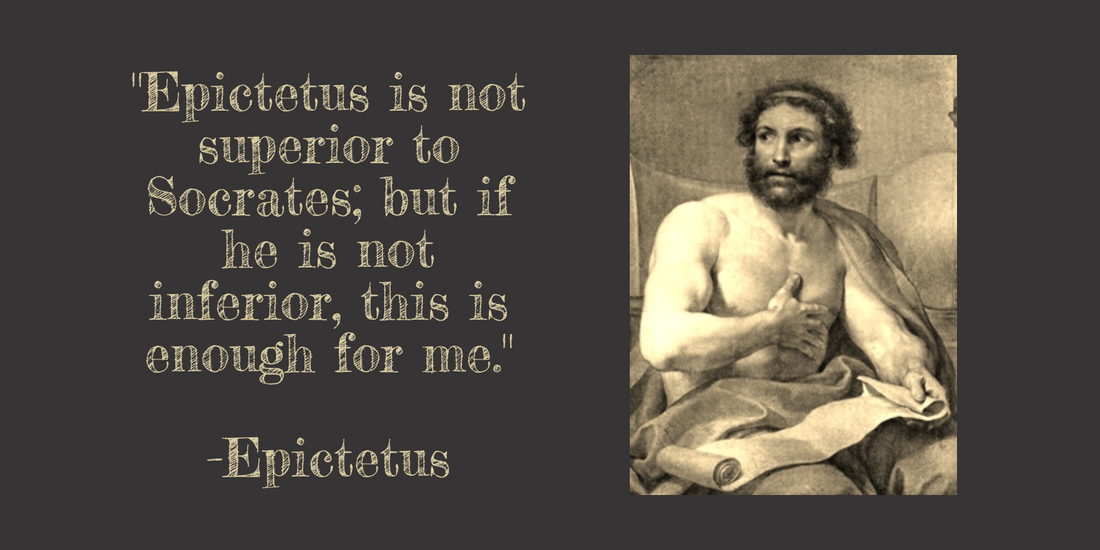](https://www.commonsenseethics.com/uploads/8/9/3/3/8933289/superior-32231113_orig.png)
*Visual representation of Stoic virtues such as justice and compassion.*
#### Example:
Consider a situation where an individual encounters a rude store clerk. An unreflective person might react angrily, leading to unpleasant interactions. However, by applying oikeiosis, the individual can recognize that the clerk's rudeness might stem from personal issues, stress, or frustration, fostering understanding and patience.
Additionally, by reflecting on our shared humanity and interconnectedness, the individual can develop feelings of compassion and concern for the clerk's well-being, shifting their perspective from one of anger to one of empathy.
#### Application:
Students can practice oikeiosis to cultivate moral judgment in daily life. By consciously applying oikeiosis in interpersonal interactions, students can develop a greater understanding of the interconnectedness of humanity, fostering virtues like compassion and justice.
## Conclusion: Key Insights and Further Exploration
Through the exploration of oikeiosis, we gain a deeper understanding of Stoic ethics and the means to apply them in our lives. Key insights include:
* Appreciating the natural development of oikeiosis in individuals from instinctual to rational stages can foster self-awareness and empathy.
* Applying oikeiosis in moral judgment leads to virtues like compassion, justice, and understanding.
Further exploration of oikeiosis can include examining additional aspects, like the Stoic concept of _sympatheia_ (the interconnectedness of the universe) and its relation to oikeiosis. Moreover, investigating the role of oikeiosis in broader social and political contexts can illuminate the relevance of Stoicism in addressing contemporary issues.
[](https://i.etsystatic.com/33521202/r/il/127acb/3862379904/il_570xN.3862379904_f9dg.jpg)
*Concept of sympatheia in Stoicism, illustrating the interconnectedness of the universe.*
Last updated: 2024-10-28
Related Books
Related Knowledges