# The Dichotomy of Control: Embracing Stoicism for Personal Empowerment
_"Some things are up to us, while other things are not up to us." - Epictetus_
[](https://cdn.substack.com/image/fetch/w_1456,c_limit,f_auto,q_auto:good,fl_progressive:steep/https%3A%2F%2Fbucketeer-e05bbc84-baa3-437e-9518-adb32be77984.s3.amazonaws.com%2Fpublic%2Fimages%2F6db906b6-63b3-4ffd-ba7a-ed67d2f98f50_1216x1838.png)
*The Dichotomy of Control as outlined by Epictetus*
The dichotomy of control is a fundamental concept in Stoicism, a school of Hellenistic philosophy that teaches the development of self-control and fortitude as a means of overcoming destructive emotions. This concept is based on the idea that there are things within our control and things outside of our control, and understanding the difference can lead to a more fulfilling and less stressful life.
The dichotomy of control is highly relevant to college students as it provides a framework for managing the challenges and uncertainties of academic and personal life. By understanding what is within our control, we can focus our energy and attention on what truly matters, and let go of worries and concerns about things beyond our control.
## Things Within Our Control
According to Stoicism, the following are things within our control:
1. **Judgments and beliefs:** Our thoughts and attitudes towards events and situations are within our control. We have the power to choose our responses and interpretations, and to cultivate a positive and constructive mindset.
2. **Actions and behaviors:** Our actions and behaviors are also within our control. We can choose to act with integrity, kindness, and responsibility, regardless of the circumstances.
3. **Attitudes and emotions:** While we cannot control external events that trigger emotions, we can control how we respond to them. We can choose to cultivate resilience, gratitude, and equanimity in the face of adversity.
[](https://www.iberdrola.com/documents/20125/1544166/Estoicismo_EN.jpg/ba1d0ecc-ebf4-941f-0b85-dba5d8ac43dc?t=1642596619227)
*Examples of things within our control according to Stoicism*
## Things Not Within Our Control
On the other hand, Stoicism teaches that the following are not within our control:
1. **External events and circumstances:** We cannot control natural disasters, the actions of others, or the outcomes of events. We can, however, control how we respond to these events.
2. **Physical health and well-being:** While we can take steps to maintain our health and well-being, we cannot control illness or injury. We can, however, choose to accept and adapt to our circumstances with grace and dignity.
3. **Reputation and social status:** We cannot control how others perceive us or what they say about us. We can, however, choose to act with integrity and authenticity, and to let go of the need for validation from others.
[](https://m.media-amazon.com/images/I/81iJ0Ji9djL._AC_UF894,1000_QL80_.jpg)
*Examples of things not within our control according to Stoicism*
## Practical Applications of the Dichotomy of Control
The dichotomy of control can be applied in various aspects of college life, such as:
1. **Academic performance:** Instead of worrying about grades or test scores, focus on the process of learning and the actions within your control, such as attending class, completing assignments, and seeking help when needed.
2. **Social relationships:** Instead of trying to control how others perceive you or their actions towards you, focus on cultivating authentic and meaningful relationships based on mutual respect and understanding.
3. **Personal growth and development:** Instead of worrying about external validation or comparison with others, focus on your own personal growth and development, and the actions within your control, such as setting goals, seeking feedback, and practicing self-care.
[](https://media.licdn.com/dms/image/D5622AQE5LFlEB4-Kfw/feedshare-shrink_800/0/1694096453432?e=2147483647&v=beta&t=GnaPKyRMZ_h9afCdV6sjnufhySLp0BMDrdW9NaupvlU)
*Applying the Dichotomy of Control in college life*
## Examples of the Dichotomy of Control in Action
Here are two examples of the dichotomy of control in action:
**Example 1: Academic Performance**
Imagine a college student who is preparing for a major exam. The student can control their study habits, such as attending review sessions, creating a study guide, and getting enough sleep. However, the student cannot control the difficulty of the exam, the questions asked, or the grading criteria.
By focusing on the actions within their control, the student can feel empowered and less stressed. They can also accept and adapt to the outcome of the exam, regardless of the grade, by recognizing that they did their best and learned from the experience.
**Example 2: Social Relationships**
Imagine a college student who is struggling with a difficult roommate. The student cannot control the roommate's actions or behaviors, such as messiness, loudness, or rudeness. However, the student can control their own responses and attitudes, such as setting boundaries, communicating respectfully, and seeking support from friends or residence life staff.
By focusing on the actions within their control, the student can feel empowered and less frustrated. They can also accept and adapt to the situation, regardless of the roommate's actions, by recognizing that they cannot control others but can control their own reactions.
## Conclusion
The dichotomy of control is a powerful concept that can help college students navigate the challenges and uncertainties of academic and personal life. By understanding the difference between what is within and outside of their control, students can focus their energy and attention on what truly matters, and let go of worries and concerns about things beyond their control.
To further explore the topic of the dichotomy of control, students can:
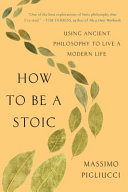
* Read more about Stoicism and its principles, such as in the books "How to Be a Stoic" by Massimo Pigliucci or "The Daily Stoic" by Ryan Holiday.
* Practice mindfulness and meditation to cultivate awareness and acceptance of the present moment.
* Engage in self-reflection and journaling to clarify values, goals, and actions within their control.
* Seek support from peers, mentors, or counseling services to process emotions and develop coping strategies.
By embracing the dichotomy of control, college students can cultivate resilience, wisdom, and inner peace, and lead fulfilling and meaningful lives.
Last updated: 2024-03-21
Related Books
Related Knowledges