# Marcus Aurelius's Meditations
[](https://upload.wikimedia.org/wikipedia/commons/thumb/b/b5/Equestrian_statue_of_Marcus_Aurelius_%28Rome%29.jpg/1200px-Equestrian_statue_of_Marcus_Aurelius_%28Rome%29.jpg)
*Statue of Marcus Aurelius*
## Introduction
In the landscape of philosophical texts, "Meditations" by Marcus Aurelius stands as a monumental work, not only in its historical context but also in its enduring relevance to modern life. Aurelius, a Roman Emperor and a Stoic philosopher, composed this work as a series of personal writings and reflections that delve deeply into the core principles of Stoicism. These principles advocate for rationality, discipline, and a profound understanding of one's emotions, making the text a salient guide for personal ethics and self-improvement.
Stoicism, as explored through "Meditations," emphasizes the development of personal virtue and wisdom as the path to true happiness. It teaches the importance of understanding what is within our control and what is not, urging us to focus our energy only on the former. This philosophy has found new audiences in the modern age, with its practical applications in managing stress, making ethical decisions, and leading a purposeful life.
[](https://cdn4.vectorstock.com/i/1000x1000/91/68/stoicism-concept-banner-poster-vector-47589168.jpg)
*Illustration of Stoicism Principles*
In discussing "Meditations," we will explore its core concepts, dissect its relevance through contemporary examples, and understand its implications in daily life. This exploration aims to provide students with a deeper understanding of Stoic philosophy, fostering a reflective and philosophically informed approach to their personal and professional challenges.
## Core Concepts of Meditations
Marcus Aurelius’s "Meditations" is grounded in several core concepts of Stoicism, including the dichotomy of control, the nature of judgment, and the significance of mortality.
**Dichotomy of Control:** This fundamental Stoic tenet distinguishes between what we can control — our perceptions, decisions, and actions — and what we cannot control, such as the actions of others, external events, and the course of nature. Aurelius repeatedly emphasizes focusing our efforts solely on the former, cultivating an internal locus of control.
**Nature of Judgment:** Aurelius posits that our judgments and interpretations of events, not the events themselves, are what cause us distress. By learning to change our perceptions and suspending immediate judgments, we can maintain our tranquility and respond to life’s challenges with equanimity.
**Significance of Mortality:** A recurring theme in "Meditations" is the transient nature of life. Aurelius uses this awareness not as a cause for despair but as a potent reminder to live virtuously and to focus on the present, making the most of the time we have.
[](https://i.ytimg.com/vi/ZJ0607A7qW0/sddefault.jpg)
*Core Concepts of Meditations*
## Practical Implications and Contemporary Examples
The teachings of Marcus Aurelius are timeless, offering profound insights into personal and professional realms. Here are examples illustrating the application of his principles:
**1. Coping with Stress and Anxiety:** In an era marked by constant connectivity and information overload, the dichotomy of control offers a liberating framework to navigate our daily stresses. By recognizing that we cannot control external events — only our responses to them — we can mitigate feelings of anxiety and overwhelm. For instance, a student anxious about job prospects post-graduation can focus on what is within their control: honing their skills, preparing for interviews, and applying diligently, rather than fretting over the job market's unpredictability.
**2. Ethical Leadership:** Aurelius, despite his imperial position, emphasized leading with humility and integrity. Modern leaders can draw from his reflections on power and responsibility, focusing on what’s beneficial for the broader community rather than personal gains. An ethical leader, inspired by Stoic principles, would thus prioritize transparency, fairness, and the well-being of their team members, even in challenging situations.
**3. Dealing with Interpersonal Conflicts:** Aurelius’s insights on the nature of judgment can profoundly impact how we navigate conflicts. Recognizing that our grievances are often amplified by our perceptions allows us to approach misunderstandings with empathy and openness. For example, in a heated debate with a friend, remembering that their actions are informed by their judgments — just as ours are — can lead to more constructive and compassionate resolutions.
[](https://thegeekyleader.com/wp-content/uploads/2023/12/DALLE_Stoicism_Redefined_Embracing_Ancient_Wisdom_in_the_Modern_World_1200x675.jpg)
*Applying Stoic Principles in Contemporary Life*
## Conclusion
The "Meditations" of Marcus Aurelius serve as a beacon of wisdom, guiding us through the complexities of human existence with Stoic principles that remain deeply resonant today. The dichotomy of control, the nature of judgment, and the significance of mortality are not mere philosophical musings but practical tools for leading a fulfilled life. By integrating these insights into our daily lives, we can foster a greater sense of peace, purpose, and personal integrity.
**Key Insights:**
- Recognizing what is within our control and focussing our energy there can liberate us from unnecessary stress.
- Our perceptions often determine our reality; by changing how we view events, we can maintain our equanimity in the face of adversity.
- The awareness of our mortality can inspire us to live more meaningfully, focusing on the present and acting virtuously.
**Further Exploration:**
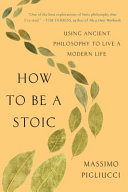
For those intrigued by the practical applications of Stoicism beyond "Meditations," works such as "How to Be a Stoic" by Massimo Pigliucci offer a contemporary exploration of Stoic philosophy tailored for the modern reader. Additionally, engaging with a community of Stoic practitioners, whether through online forums or local groups, can provide support and insights as one navigates the path of Stoic practice.
[](https://i.etsystatic.com/29679624/r/il/96d322/5099075145/il_fullxfull.5099075145_dmqq.jpg)
*Stoic Practice Community*
In summary, "Meditations" is not just a philosophical treatise but a manual for living with intention and integrity. Marcus Aurelius, through his reflections, invites us to examine our lives, challenge our perceptions, and embrace the Stoic path to wisdom and virtue.
Last updated: 2024-10-28
Related Books
Related Knowledges