Pathogens Theory: Understanding the Role of Germs in History
=============================================================
Introduction
------------
[](https://m.media-amazon.com/images/I/61V8g4GgqdL._AC_UF1000,1000_QL80_.jpg)
*Jared Diamond presenting his theories*
In his groundbreaking book "Guns, Germs, and Steel," Jared Diamond presents a comprehensive and engaging exploration of the factors that have shaped the course of human history. Among these factors, Diamond highlights the role of pathogens, or germs, in shaping the fates of human societies. This theory, often referred to as Pathogens Theory, posits that the development and spread of diseases have played a crucial role in shaping the trajectory of human civilizations.
At its core, Pathogens Theory argues that the emergence and dissemination of diseases have been heavily influenced by factors such as geography, climate, and the presence of domesticated animals. These diseases, in turn, have had profound impacts on the course of human history, affecting the outcomes of wars, the fates of empires, and the distribution of populations.
Examples and Applications
------------------------
### The Columbian Exchange and the Spread of Diseases
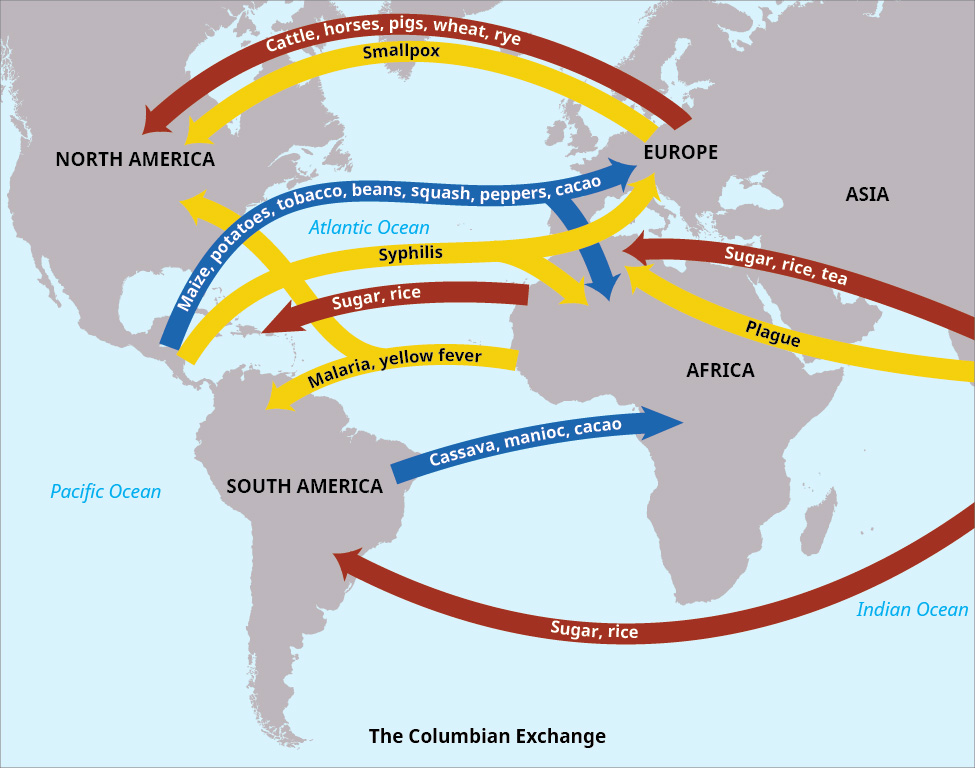
One of the most striking examples of the power of pathogens in shaping human history can be seen in the impact of European contact with the Americas. This encounter, known as the Columbian Exchange, resulted in the introduction of a wide range of new plants, animals, and microorganisms to both continents. Among these were a host of deadly diseases, such as smallpox, measles, and influenza, to which the indigenous populations of the Americas had little or no immunity.
[](https://bri-wp-images.s3.amazonaws.com/wp-content/uploads/BRI_APUSH_01_03_NewWorld.jpg)
*Columbian Exchange impacts*
The result was a catastrophic decline in the indigenous populations of the Americas, with some estimates suggesting that as many as 90% of the native inhabitants of the Americas may have perished as a result of these diseases. This demographic collapse, in turn, had profound implications for the course of history, as it facilitated the European conquest and colonization of the Americas, and altered the balance of power between the Old World and the New.
### The Role of Pathogens in the Rise and Fall of Empires
Another example of the power of pathogens in shaping human history can be seen in the role of diseases in the rise and fall of empires. Throughout history, the emergence and spread of diseases have often played a crucial role in determining the fates of great empires.
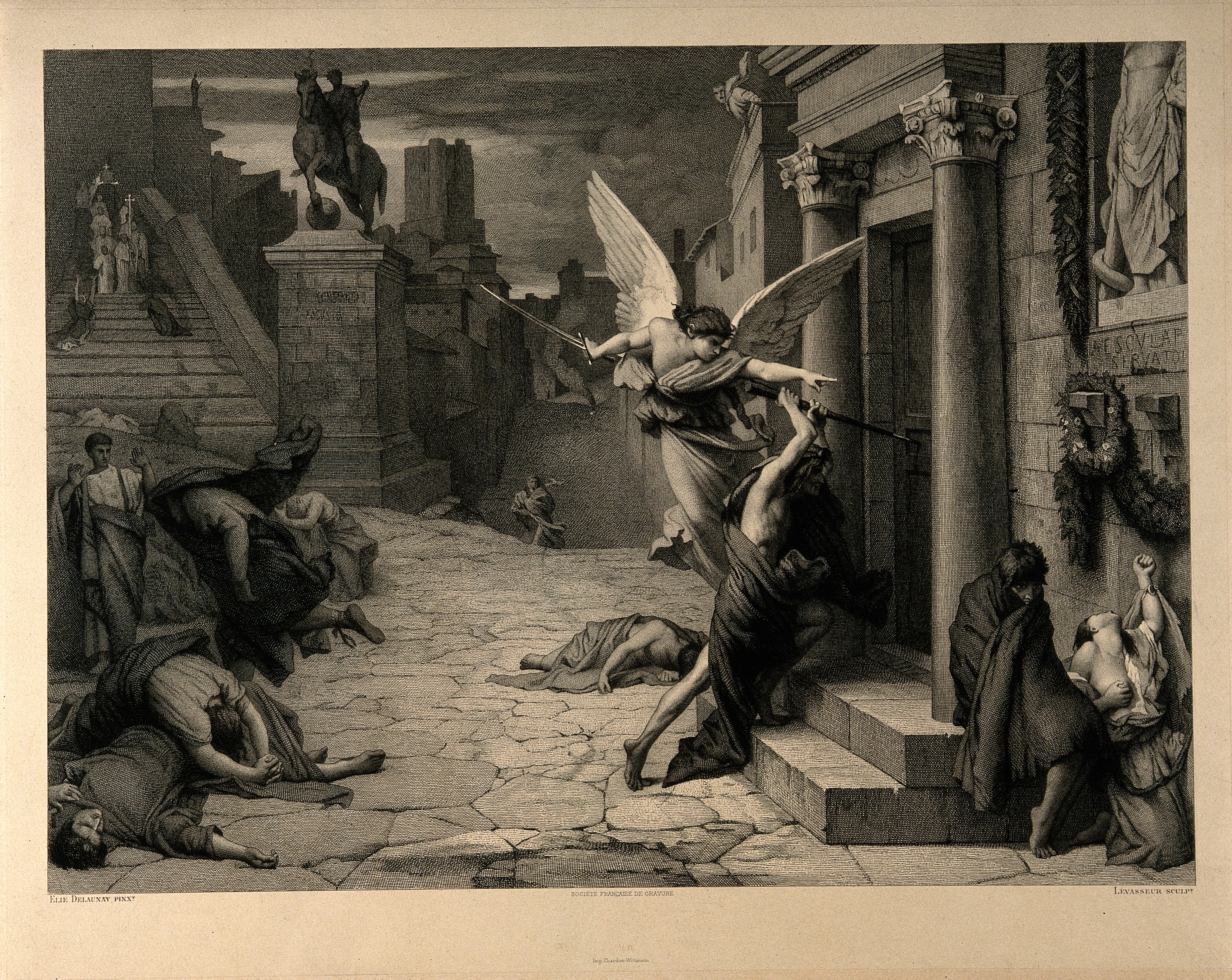
For instance, the Roman Empire, at the height of its power, was plagued by a series of devastating epidemics, such as the Antonine Plague and the Plague of Cyprian. These diseases, which are believed to have been forms of smallpox or measles, took a heavy toll on the Roman population, weakening the empire's military and economic power, and contributing to its eventual decline and fall.
[](https://upload.wikimedia.org/wikipedia/commons/2/2b/The_angel_of_death_striking_a_door_during_the_plague_of_Rome_Wellcome_V0010664.jpg)
*The Antonine Plague in the Roman Empire*
Similarly, the Mongol Empire, which at its peak stretched from China to Eastern Europe, was also heavily impacted by diseases. The Mongols, who were highly mobile and often lived in close proximity to their animals, were particularly susceptible to the spread of diseases such as bubonic plague. The outbreak of the Black Death in the fourteenth century, which is believed to have originated in Mongol-controlled territories, had a devastating impact on the Mongol Empire, contributing to its eventual decline.
### The Impact of Pathogens on Modern History
The role of pathogens in shaping human history is not limited to the distant past. Even in more recent times, diseases have continued to play a significant role in shaping the course of events.
A prime example of this can be seen in the impact of the 1918 Spanish Flu pandemic. This global outbreak of influenza, which is estimated to have infected as much as a third of the world's population and claimed the lives of millions, had profound implications for the course of history. The pandemic, which struck at the end of World War I, weakened the victorious Allied Powers, contributing to the political and economic instability that would eventually lead to the rise of fascism and the outbreak of World War II.
[](https://upload.wikimedia.org/wikipedia/commons/thumb/2/20/Emergency_hospital_during_Influenza_epidemic%2C_Camp_Funston%2C_Kansas_-_NCP_1603.jpg/1200px-Emergency_hospital_during_Influenza_epidemic%2C_Camp_Funston%2C_Kansas_-_NCP_1603.jpg)
*1918 Spanish Flu pandemic worldwide impact*
Conclusion
----------
In conclusion, Pathogens Theory, as presented by Jared Diamond in "Guns, Germs, and Steel," offers a powerful framework for understanding the role of diseases in shaping the course of human history. By examining the ways in which pathogens have interacted with geography, climate, and the presence of domesticated animals, Diamond provides a compelling account of the ways in which diseases have shaped the fates of human societies.
Through examples such as the Columbian Exchange, the rise and fall of empires, and the impact of the 1918 Spanish Flu pandemic, Diamond demonstrates the profound and far-reaching consequences of diseases on the course of history.
For college students seeking to deepen their understanding of this topic, there are several avenues for further exploration. These might include:
* Reading more widely on the history of diseases and their impact on human societies, such as William H. McNeill's "Plagues and Peoples" or Kyle Harper's "The Fate of Rome: Climate, Disease, and the End of an Empire."
* Examining the role of diseases in shaping specific historical events or periods, such as the Black Death in medieval Europe or the impact of diseases on the colonization of the Americas.
* Considering the implications of Pathogens Theory for contemporary issues, such as the global response to the COVID-19 pandemic or the challenges posed by emerging and re-emerging diseases.
By engaging with these and other resources, students can deepen their understanding of the power of pathogens in shaping human history, and gain valuable insights into the complex and interconnected nature of our world.
Last updated: 2024-03-20
Related Books
Related Knowledges