# Pleistocene Overkill: A Profound Perspective on Mankind's Transformative Impact
## Introduction
[](https://substackcdn.com/image/fetch/f_auto,q_auto:good,fl_progressive:steep/https%3A%2F%2Fsubstack-post-media.s3.amazonaws.com%2Fpublic%2Fimages%2Feb7fa097-6a2a-415f-a923-38374a300adc_2021x1463.jpeg)
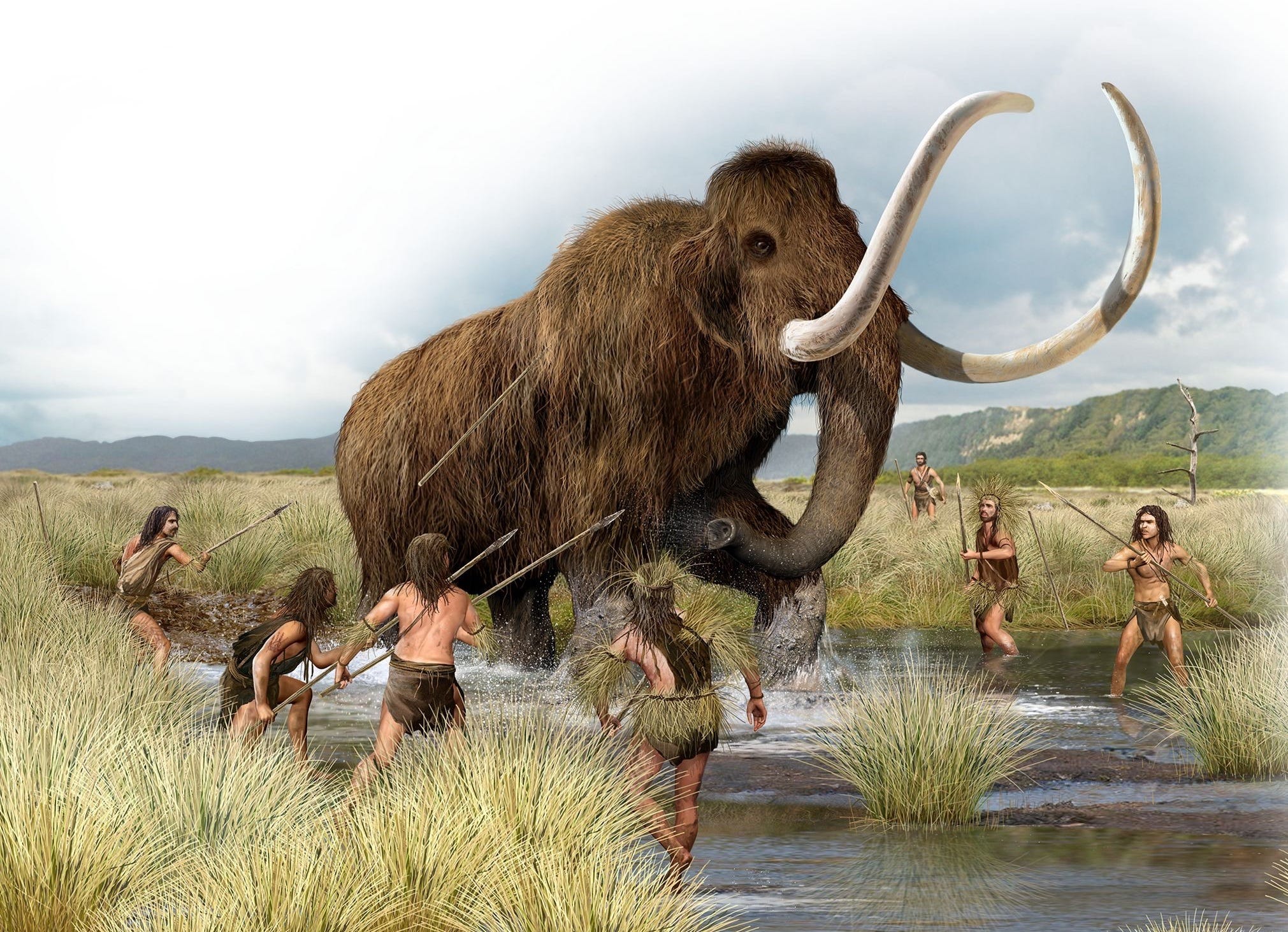
*Illustration of Pleistocene Overkill Hypothesis*
Jared Diamond's Pulitzer Prize-winning book *Guns, Germs, and Steel* presents a compelling and multifaceted narrative that delves into the factors influencing the historical development of human societies. Among the crucial concepts that the book explores is the Pleistocene overkill hypothesis. This theory highlights the transformative role of human hunters in the extinction of numerous large mammal species following the last Ice Age. By examining the mechanisms and implications of Pleistocene overkill, students can better understand humanity's complex relationship with the natural world.
## Core Concepts and Relevance
Pleistocene overkill, also referred to as the Blitzkrieg hypothesis, is the theory that human hunters played a significant role in the extinction of many large mammal species towards the end of the Pleistocene epoch, roughly 13,000-11,000 years ago. This critical juncture in Earth's history saw the loss of iconic species such as the woolly mammoth, saber-toothed cat, and ground sloth.
[](https://preview.redd.it/with-saber-toothed-cats-and-giant-ground-sloths-crossing-v0-fneuluwkb2491.png?auto=webp&s=8f32b21af3491575b8be1435e6e78a0216d33d99)
*Extinct Megafauna of the Pleistocene Epoch*
The Pleistocene overkill hypothesis holds that human migration, coupled with the advent of advanced hunting technologies, drove these extinctions. As human populations expanded, they encountered new mammal species that had limited exposure to human predation. This lack of evolved defensive behaviors or fear made these mammals particularly vulnerable to human hunting. Moreover, the extinction of apex predators due to competition or direct killing by humans further destabilized ecosystems, accelerating the loss of megafauna.
Understanding the Pleistocene overkill offers crucial insights into humanity's transformative impact on the planet. It emphasizes the role humans have played – and continue to play – in shaping the environment around them, while also touching upon broader themes of ecological sustainability, biodiversity loss, and the Anthropocene.
[](https://impactday.eu/wp-content/uploads/2024/02/view-bioengineering-advance-with-human-hands-2.jpg.webp)
*Human Transformative Impact on Nature*
## Practical Implications and Examples
### 1. Megafauna Extinctions and Ecosystem Disruption
In Australia, the arrival of humans around 65,000 years ago brought its own wave of Pleistocene overkill. Researchers estimate that at least 86% of Australia's large mammals became extinct following human colonization. This drastic loss of megafauna severely disrupted ecosystems by altering vegetation structure, fire regimes, and soil composition. The disappearance of these large mammals ultimately affected the distribution and abundance of other species, resulting in a cascade of ecological consequences.
[](https://scx2.b-cdn.net/gfx/news/2017/humansnotcli.jpg)
*Impact of Human Arrival on Australia's Megafauna*
### 2. Human-Induced Methane Emissions from Woolly Mammoths' Demise
Through the analysis of sediment cores from the Arctic Ocean, researchers have discovered a correlation between the decline in methane levels and the extinction of the woolly mammoth. Intriguingly, the drop in methane concentration appears to coincide with human migration into the Arctic, suggesting a plausible link to the decline of this iconic megafauna. It is theorized that the demise of mammoths, which thrived in the region's grasslands, may have led to the encroachment of shrubs and mosses. Consequently, these vegetation shifts could have caused a decrease in methane production, thereby contributing to global cooling trends.
[](https://th-thumbnailer.cdn-si-edu.com/eyd88z3kesUSmLeAs8LYs0MbKQs=/fit-in/1600x0/filters:focal%283550x1030:3551x1031%29/https://tf-cmsv2-smithsonianmag-media.s3.amazonaws.com/filer/3d/db/3ddba557-692c-45e0-81a8-8fdbebd3d54f/file-20180511-34027-1cml58u.jpg)
*Correlation Between Woolly Mammoth Extinction and Methane Emissions*
These examples underscore the far-reaching consequences of Pleistocene overkill and humanity's pervasive ecological impact. They also illustrate the ripple effects that follow the disappearance of apex predators, reshaping ecosystems and wildlife communities.
## Concluding Remarks
The Pleistocene overkill hypothesis elucidates a crucial juncture in Earth's history when human activity significantly altered the planet's biota. By grappling with the repercussions of Pleistocene overkill and assessing its practical implications for modern times, college students can delve into broader discussions surrounding biodiversity, conservation, and the Anthropocene.
Key insights derived from studying the Pleistocene overkill include:
- Awareness of humanity's transformative power and its propensity to induce ecological change
- Recognition of the intricate relationships between apex predators, ecosystems, and the species they support
- Appreciation for the long-term consequences of overhunting and the value of sustainable harvesting practices
- Understanding the necessity of preserving ecological integrity and fostering biodiversity
To further explore the topic, students are encouraged to engage with complementary disciplines such as archaeology, ecology, and conservation biology. Moreover, the study of indigenous perspectives and traditional ecological knowledge can provide valuable insights into sustainable human-environment interactions, offering a robust foundation for more informed decisions and actions.
[](https://cdn.prod.website-files.com/60419f56a7c36908a9a7e0e1/630637ecd53a1e9e1481f9cd_Asset%204.png)
*Indigenous Perspectives on Sustainable Living*
Last updated: 2024-11-20
Related Books

Related Knowledges