# The Tyranny of Distance: Connectivity and Consequences
## Introduction
In his Pulitzer Prize-winning book *Guns, Germs, and Steel*, Jared Diamond discusses the 'Tyranny of Distance,' a geographical concept that influences various aspects of a society's development, including technological advancement, social complexity, and susceptibility to disease.
[](https://cdn.prometheanworld.com/wp-content/uploads/2022/05/18150426/GettyImages-606229944-1-1-1296x550.jpg)
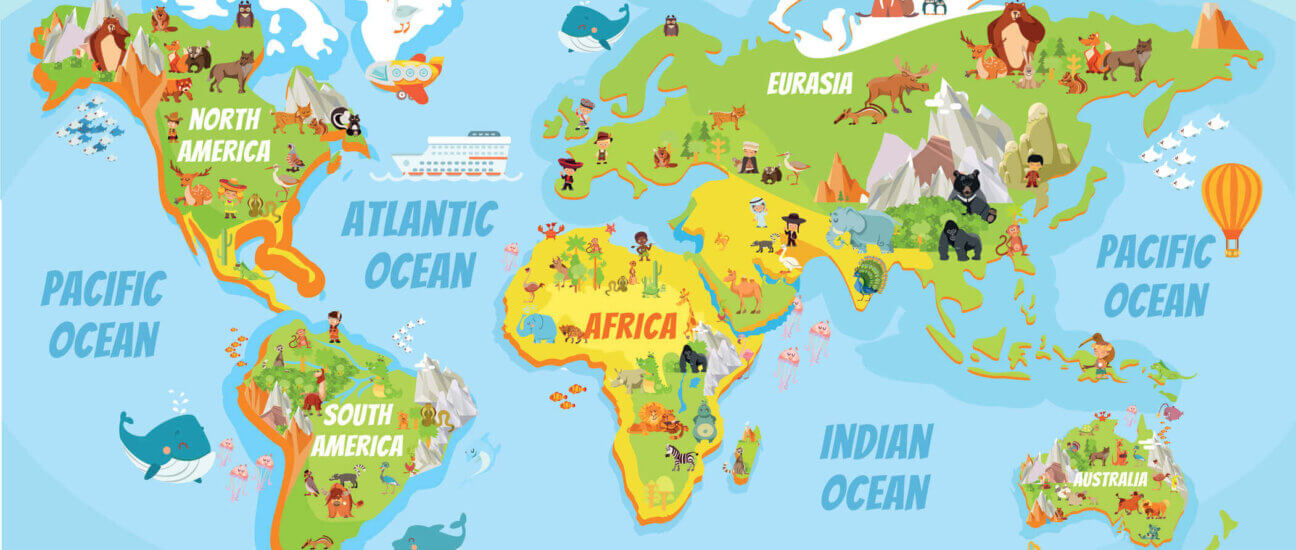
*Map illustrating the concept of Tyranny of Distance*
At its core, the tyranny of distance refers to the challenges and constraints imposed by physical remoteness or isolation across vast expanses of land or water. These challenges encompass communication, transportation, access to resources, and the spread of ideas and innovations. Because of the tyranny of distance, societies in isolated regions often face significant developmental hurdles compared to their connected counterparts.
To understand the tyranny of distance's profound implications, consider the following examples and applications in different historical and geographical contexts.
## Case Studies
### Case Study 1: The Isolation of Pacific Island Societies
The first case study focuses on the challenges faced by Pacific Island societies in Polynesia, Melanesia, and Micronesia due to their isolation in the Pacific Ocean. For centuries, these populations relied on small-scale agriculture, limited resource exploitation, and rudimentary technologies for survival. This isolation, coupled with the lack of large domesticated animals and immunity to Eurasian diseases, rendered them vulnerable and limited their potential for rapid growth and development.
[](https://i0.wp.com/eos.org/wp-content/uploads/2022/02/hokulea.jpg?fit=1200%2C675&ssl=1)
*Traditional Pacific Islander navigating boat*
The tyranny of distance contributed to the following issues in Pacific Island societies:
- **Limited access to resources:** island ecosystems typically have limited natural resources, leading to reliance on a smaller range of plants and animals for food, clothing, and shelter. Additionally, the scarcity of raw materials for tool-making inhibited technological advancements.
- **Reduced gene flow and information exchange:** With great expanses of ocean separating islands, regular contact and interactions were infrequent. As a result, the dissemination of knowledge, ideas, and innovations was severely restricted. Moreover, limited gene flow lowered genetic diversity and increased vulnerability to diseases.
- **Greater susceptibility to environmental catastrophes:** isolated Pacific Island societies were more susceptible to environmental catastrophes such as tsunamis, hurricanes, and droughts due to a lack of access to external assistance, resources, and technology that might have helped mitigate the adverse effects.
However, it's vital to recognize that these societies did manage to thrive within the constraints of their environments. There are examples of navigational prowess, sophisticated agricultural practices, and social hierarchies in various Pacific Island cultures. Despite the challenges posed by the tyranny of distance, these societies demonstrate the resilience and adaptability of human populations in overcoming adversity.
### Case Study 2: European Colonial Expansion
The second case study examines the impact of the tyranny of distance on European colonial expansion during the Age of Exploration. European powers, such as Portugal, Spain, the Netherlands, France, and Great Britain, were able to establish and maintain extensive colonial empires in Africa, Asia, the Americas, and the Pacific due to their geographical advantages.
[](https://images.squarespace-cdn.com/content/v1/53b17013e4b0f83f2d8a8a4a/1404818188252-4Z385Q7JSB7W9OHFCUAZ/Ships.jpg?format=1500w)
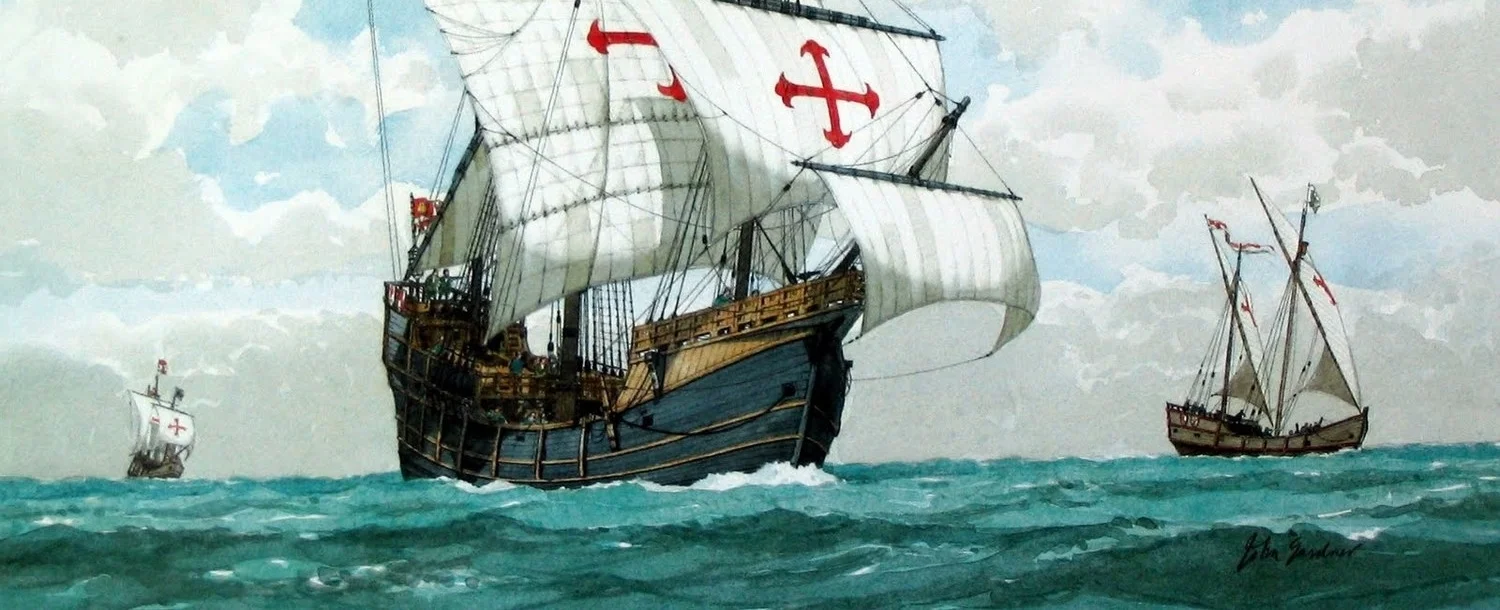
*European exploration ships*
The tyranny of distance affected colonial expansion in the following ways:
- **Military technology and superior naval power:** European naval technology and maritime capabilities allowed them to undertake long-distance voyages and project military power across vast distances, compelling isolated societies to succumb to superior military force or enter into unequal trade agreements.
- **Disease and demographic collapse:** European explorers and colonizers inadvertently carried disease along with them, leading to the deaths of millions of indigenous people in the Americas due to Smallpox, Influenza, and Measles. This devastation facilitated the colonization of new territories with fewer indigenous inhabitants for European settlers.
- **Logistical challenges and resource exploitation:** Despite the challenges of maintaining far-flung colonies, European powers exploited resources in their colonies to further their economic and strategic objectives. Trade networks, such as the Atlantic Slave Trade, and the extraction of raw materials like precious metals and textiles contributed to European industrialization and economic growth for centuries.
- **Ideological justification and cultural exchange:** European colonial ideologies, such as the Doctrine of Discovery and Terra Nullius, justified their colonization and subjugation of non-European lands and peoples. Simultaneously, it enabled the cultural exchange of ideas, technologies, and beliefs that shaped the modern world.
## Concluding Insights
Understanding the 'Tyranny of Distance' is crucial to grasping the nuances of global historical development. This concept reveals the multifaceted impact of geographical isolation on societies, both in limiting their potential and opening opportunities for growth and change.
Exploration of the tyranny of distance can be furthered through interdisciplinary studies involving history, geography, anthropology, sociology, and ecology. Students might consider the following:
- The role of transportation and communication technologies in overcoming the tyranny of distance in the modern world
- The historical impact of isolation on specific populations, such as the Australian Aboriginal peoples or the Indigenous peoples of the Americas
- Comparative studies examining the consequences of isolation versus integration in different global regions across time
By diving deeper into the tyranny of distance, we can illuminate the intricate relationship between humanity and the earth and appreciate the forces that have shaped the world and its civilizations.
Last updated: 2024-06-25
Related Books

Related Knowledges